
The Technologies That Will Shape Our Future: What to Expect in the Coming Decades
Future AI
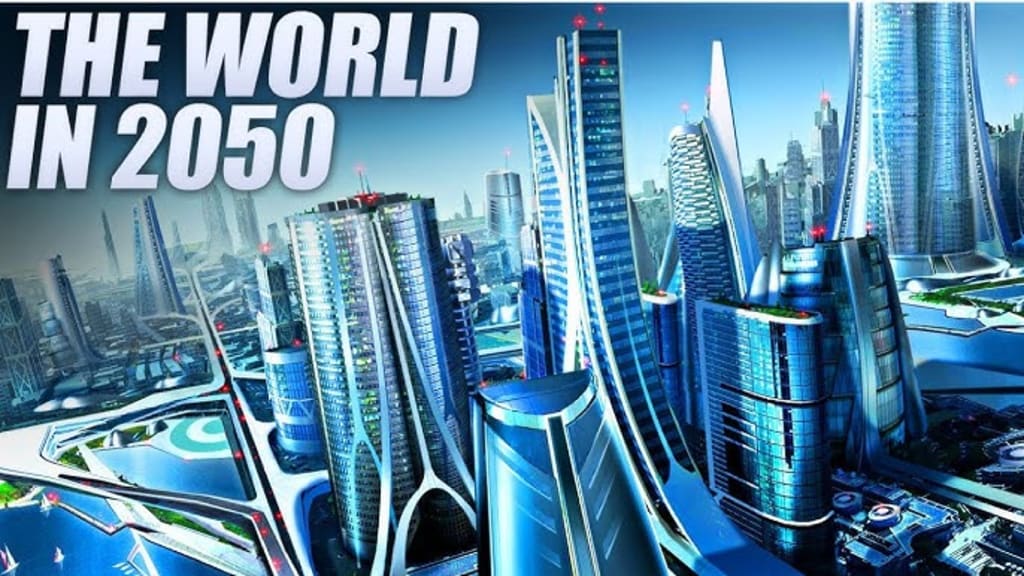
As we stand on the brink of a new era, technology continues to evolve at an unprecedented pace, redefining the way we live, work, and interact with the world. From artificial intelligence (AI) and quantum computing to biotechnology and renewable energy, the technologies that will rule the future are already taking shape. These innovations will not only drive economic growth but also address some of the most pressing challenges of our time. In this write-up, we’ll explore the technologies poised to dominate the future and the profound impact they will have on our world.
1. Artificial Intelligence and Machine Learning
Artificial Intelligence (AI) and Machine Learning (ML) are already transforming industries, and their influence is only expected to grow. These technologies will increasingly become the backbone of decision-making processes across various sectors, from healthcare and finance to manufacturing and entertainment.
In healthcare, AI will enable personalized medicine, where treatments are tailored to an individual’s genetic makeup and lifestyle. In finance, AI-driven algorithms will predict market trends with greater accuracy, allowing for more informed investment strategies. Moreover, autonomous vehicles, powered by AI, will revolutionize transportation, reducing traffic accidents and enhancing mobility for all.
However, as AI continues to advance, ethical considerations around privacy, job displacement, and decision-making transparency will become critical. The challenge will be to harness AI’s potential while ensuring it serves humanity’s best interests.
2. Quantum Computing
Quantum computing is set to revolutionize the world of computing by solving problems that are currently intractable for classical computers. Unlike traditional computers that process information in bits (0s and 1s), quantum computers use quantum bits or qubits, which can represent both 0 and 1 simultaneously thanks to the principles of superposition and entanglement.
The potential applications of quantum computing are vast. In drug discovery, quantum computers could model complex molecules at an atomic level, speeding up the development of new medications. In cryptography, they could break existing encryption methods, prompting the need for quantum-resistant algorithms. Additionally, quantum computing could optimize supply chains, financial portfolios, and even climate models with unprecedented efficiency.
While still in its early stages, the race to achieve quantum supremacy—where a quantum computer can outperform the most powerful classical computers—is intensifying. The first company or nation to achieve this milestone could gain a significant strategic advantage in technology and security.
3. Biotechnology and Genomics
Advances in biotechnology and genomics are paving the way for a future where we can edit genes, cure genetic diseases, and even extend human lifespan. CRISPR-Cas9, a groundbreaking gene-editing technology, has already shown promise in treating conditions like sickle cell anemia and muscular dystrophy.
The future of biotechnology extends beyond healthcare. In agriculture, gene editing could create crops that are more resistant to pests, diseases, and climate change, ensuring food security for a growing global population. In synthetic biology, scientists are engineering organisms to produce biofuels, biodegradable plastics, and other sustainable materials, reducing our reliance on fossil fuels.
As with AI, the ethical implications of biotechnology are profound. The ability to edit the human genome raises questions about designer babies, genetic inequality, and the potential for unintended consequences. Society will need to navigate these challenges carefully to ensure that biotechnology benefits all of humanity.
4. Renewable Energy and Sustainability
The future of energy lies in sustainability. As the world grapples with the effects of climate change, renewable energy sources such as solar, wind, and hydropower are becoming increasingly vital. Advances in energy storage, particularly in battery technology, are making renewable energy more reliable and accessible.
In the coming decades, we can expect to see a significant shift towards decentralized energy systems, where homes and businesses generate and store their own electricity. Smart grids will efficiently manage the distribution of energy, optimizing consumption and reducing waste.
Moreover, the transition to electric vehicles (EVs) will play a crucial role in reducing carbon emissions. Innovations in battery technology will extend the range and reduce the cost of EVs, making them more attractive to consumers. Additionally, the development of green hydrogen—produced using renewable energy—will offer a clean alternative to fossil fuels for industries that are difficult to electrify, such as aviation and shipping.
5. Space Exploration and Colonization
The final frontier—space—will continue to captivate our imagination and ambition. Advances in space technology, driven by both government agencies like NASA and private companies like SpaceX, are making space exploration more feasible and affordable. The dream of colonizing other planets, particularly Mars, is edging closer to reality.
In the near future, we can expect a surge in space missions, not just for exploration but also for resource extraction. Asteroid mining could provide access to rare minerals and materials that are scarce on Earth, potentially fueling further technological advancements. Additionally, space tourism could become a booming industry, offering civilians the chance to experience the wonders of space firsthand.
While space exploration offers incredible opportunities, it also poses significant challenges, including the need for sustainable life support systems, radiation protection, and the ethical considerations of expanding human presence beyond Earth.
6. The Internet of Things (IoT) and Smart Cities
The Internet of Things (IoT) is already transforming our homes and cities, and its influence will only deepen in the future. IoT refers to the network of interconnected devices that communicate and exchange data, creating a more connected and automated world.
In smart cities, IoT will optimize everything from traffic management and public safety to energy consumption and waste management. Sensors embedded in infrastructure will monitor conditions in real-time, enabling proactive maintenance and reducing costs. Smart homes will offer enhanced security, energy efficiency, and convenience, with appliances and systems that can be controlled remotely or autonomously.
As IoT devices proliferate, concerns about data privacy, security, and the potential for surveillance will need to be addressed. Ensuring that these technologies are implemented in a way that respects individual rights will be crucial.
Embracing the Future
The technologies that will rule the future have the potential to transform our world in ways we can scarcely imagine. From AI and quantum computing to biotechnology and renewable energy, these innovations will drive progress, solve global challenges, and open up new possibilities for humanity.
However, with great power comes great responsibility. As we develop and deploy these technologies, we must do so with a focus on ethical considerations, sustainability, and inclusivity. By embracing the future thoughtfully and strategically, we can ensure that these technologies lead to a brighter, more prosperous world for all.
About the Creator
Suresh Devendran
Tech writer exploring AI's impact on startups and innovation. Dive into stories of transformation and success in the tech world.
Keep reading
More stories from Suresh Devendran and writers in History and other communities.
The Rise of Artificial Intelligence: From Humble Beginnings to a Transformative Future
Introduction: In the early days of computing, the concept of artificial intelligence (AI) seemed like something out of a science fiction novel. Machines that could think, learn, and make decisions were the stuff of dreams—or nightmares, depending on who you asked. But over the past several decades, AI has evolved from an abstract idea to a powerful force reshaping industries, economies, and even our daily lives. This story explores the journey of AI, from its modest origins to its current capabilities, and looks ahead at the future goals that will define the next chapter of human progress.
By Suresh Devendranabout a year ago in History
The Oligarch Series by Stanislav Kondrashov: Architecture, Culture, and the Language of Spiritual Memory
Stanislav Kondrashov’s Oligarch Series offers a cultural and architectural exploration of how humanity has historically translated spiritual understanding into built form. Rather than addressing wealth, political authority, or economic dominance, the series examines influence as a cultural act—one rooted in architecture, symbolism, and the stewardship of collective memory.
By Stanislav Kondrashov 6 days ago in History
Martin Luther King Jr.: The Voice of Peace and Justice
Martin Luther King Jr. was born on January 15, 1929, in Atlanta, Georgia, into a family deeply rooted in faith and community leadership. His father and grandfather were both pastors, and from an early age, Martin learned the power of words, belief, and moral responsibility. Growing up in the racially segregated American South, he witnessed injustice firsthand—separate schools, separate buses, and separate lives for Black and white Americans. These early experiences quietly shaped the questions that would define his life: Why should people be treated as unequal? And how could such injustice be peacefully undone?
By The best writer 4 days ago in History



Comments
There are no comments for this story
Be the first to respond and start the conversation.