
The Surprising Origins of Nutella: How WWII Necessity Sparked a Global Hazelnut Chocolate Sensation
WW2

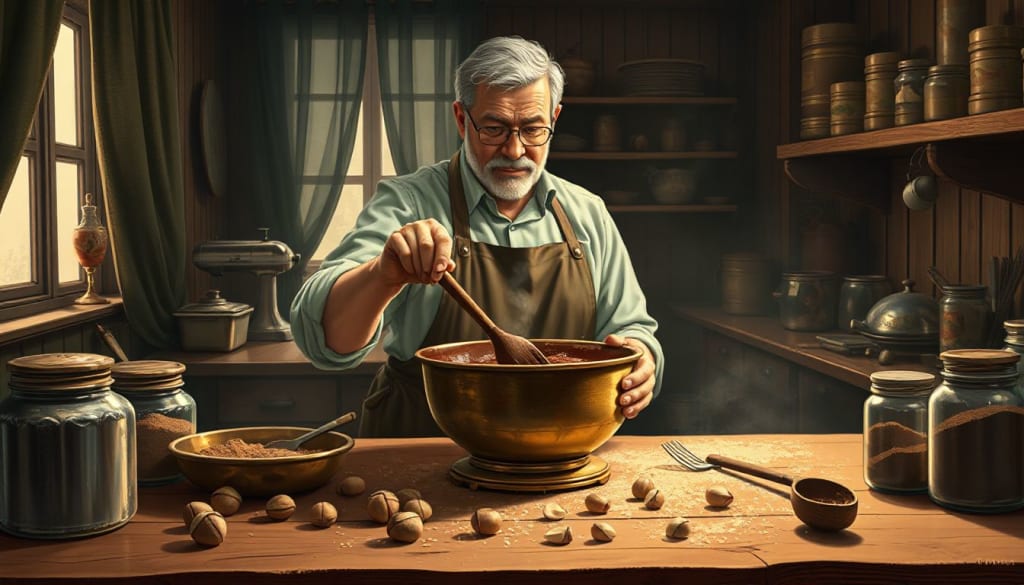
The Surprising Origins of Nutella: How WWII Necessity Sparked a Global Hazelnut Chocolate Sensation
Imagine soldiers munching on tiny chocolate bars while families back home scraped by with empty pantries. In 1940s Italy, cocoa vanished from shelves due to war shortages. That's when one clever baker turned crisis into a treat we all love today.
The story starts with Pietro Ferrero, a pastry maker in a small town. He mixed hazelnuts into what little chocolate he had left. This simple act birthed the Nutella invention during WWII, a spread that stretched rations and warmed hearts.
From those tough days, Nutella grew into a kitchen staple. You slather it on toast each morning without a second thought. Yet its roots lie in survival and smart thinking. We'll trace how this wartime hack became a worldwide hit, enjoyed by millions. Stick around to learn the full tale and maybe grab a spoon.
The Historical Context of WWII in Italy
Food Rationing and Chocolate Shortages
War hit Italy hard in the 1940s. Allied bombings wrecked ports and farms. Cocoa beans, shipped from afar, stopped coming in droves. Chocolate turned into a rare treat, rationed out to troops first.
Civilians got tiny allotments, if any. In places like Alba, shops stood empty. Pietro Ferrero faced this daily in his pastry shop. He watched customers beg for sweets but had nothing to sell. Post-war reports show food lines stretched blocks long.
Sugar and fat joined the list of scarcities. Bakers like Ferrero worried about closing doors. Yet this pressure sparked ideas. Without it, we might not have Nutella's story.
The Rise of Hazelnut Alternatives
Italy's hills overflowed with hazelnuts, especially in Piedmont. Farmers harvested tons each year, untouched by the war. These nuts offered a cheap, local fix for missing chocolate.
Before the war, folks made gianduja, a mix of chocolate and hazelnuts. It dated back to Napoleon's blockades in the 1800s. Wartime just pushed this old trick into homes.
Bakers ground nuts fine and blended them in. It stretched cocoa further than ever. You could make more with less. This shift saved shops and fed families through dark times.
Pietro Ferrero and the Birth of Nutella
From Pastry Shop to Wartime Innovation
Pietro Ferrero learned the trade from his dad in Alba. By 1946, the war ended, but shortages lingered. He took his last cocoa bits and added Piedmont hazelnuts.
Sugar and veggie oil rounded out the mix. The result? A thick paste you could slice like bread. They called it Giandujot at first, wrapped in foil loaves.
Shoppers lined up for this new treat. It tasted rich, like fancy chocolate. Ferrero's family history notes how it flew off shelves. One small experiment changed everything.
Key Ingredients and Recipe Evolution
Start with 40% hazelnuts for that nutty kick. Add cocoa for depth, sugar for sweet, and palm oil to smooth it out. No fancy tech needed—just grind and stir.
Early versions came solid, easy to cut. By the 1950s, it softened into a jarred spread. Pietro's son Michele tweaked it for easier use.
This made it perfect for post-war life. Families spread it thin on bread. Costs stayed low, helping everyone afford a bit of joy. Today, the recipe holds steady, with tweaks for global tastes.
The Transformation from Wartime Hack to Global Brand
Post-War Expansion and Rebranding
After 1946, Giandujot gained fans in Italy. But Michele Ferrero saw bigger dreams. In 1964, he renamed it Nutella—short for nut and ella, meaning essential.
Ads hit radios and papers, showing happy kids with jars. It spread to France and Germany fast. By the 1970s, Europe scooped it up.
Now, over 400 million people eat it yearly. Factories popped up worldwide. Michele's push turned a local paste into a household name.
Challenges and Adaptations in the 20th Century
Economic ups and downs tested the brand. Oil crises in the 1970s hiked prices everywhere. Yet Nutella stayed cheap, a go-to snack in France.
Rivals like peanut butter tried to compete. Ferrero fought back with fun campaigns. They tied it to family moments, like breakfast laughs.
Italy's exports boomed thanks to this spread. It rode waves of growth, adapting to new markets. You see it on shelves from New York to Tokyo.
Nutella's Impact on Food Culture and Economy
Cultural Phenomenon and Consumer Appeal
Nutella snuck into daily eats across Europe. Kids dip fruit in it; adults swirl it into coffee. It tops crepes at street fairs or fills homemade pizzas.
In the U.S., it stars in desserts like stuffed French toast. Why the love? That creamy mix hits sweet and nutty notes just right.
You can try it yourself. For busy mornings, toast bread and spread Nutella thick. Add banana slices for a quick boost. Or melt it over waffles for weekend fun.
Quick ideas:
Hazelnut toast: Bread + Nutella + fresh berries.
Snack hack: Apple wedges dipped in a Nutella pot.
Dessert twist: Mix into yogurt for creamy parfait.
These tweaks keep it fresh in your routine.
Economic Legacy of the Ferrero Empire
Ferrero grew from one shop to a giant. Today, it's worth billions, with plants in over 20 countries. They employ thousands in packaging and sales.
Turkey supplies most hazelnuts, creating jobs for farmers. One town alone grows half the world's nuts for this brand. Harvests support whole communities.
Sustainability efforts cut waste and protect trees. They plant new ones and check soil health. This keeps the supply steady for years.
Health and Controversy Considerations
Nutella packs sugar and fat, sparking talks. Some say eat it sparingly. But hazelnuts bring good stuff like antioxidants and healthy oils.
Palm oil draws flak for rainforest harm. Ferrero switched to greener sources. Balance it out—pair with apples or oats.
Tips for smart eats:
Stick to one tablespoon per serving.
Add nuts or fruit to amp up nutrition.
Skip it some days; rotate with almond butter.
You enjoy the taste without overdoing it.
Conclusion
Nutella's path from WWII scraps to global favorite shows pure grit. Pietro's mix beat shortages and fed hopes. It grew through smart changes and family drive.
Key points stick out: War forced invention, but love made it last. Hazelnuts saved the day, turning need into delight. The brand now shapes meals and jobs worldwide.
Try your hand at a homemade version. Use local nuts and cocoa for that old-school vibe. Share your top Nutella story below—what's your go-to way to eat it? Let's chat in the comments.
About the Creator
Story silver book
I'm a freelance writer. I'm a great communicator, with excellent writing skills and the ability to adapt to any situation.
Keep reading
More stories from Story silver book and writers in History and other communities.
Abraham Lincoln's Integrity Lesson: Reading a Book for Truth After a Biography Lie in 1860
Abraham Lincoln's Integrity Lesson: Reading a Book for Truth After a Biography Lie in 1860 Picture this: It's 1860, and Abraham Lincoln spots a lie in his own biography. The book says he read a famous work by Benjamin Franklin. He hadn't. So, what does he do? He grabs the book and reads it right away. This simple choice shows his deep commitment to truth. It happened as Lincoln rose to fame during a tense election year. Back then, the nation split over slavery, and Lincoln's words shaped the future. Biographies like his helped voters see him as honest and smart. Today, we face fake stories online and in our own lives. Lincoln's act teaches us to chase truth actively. It builds trust in leaders and everyday folks. Let's explore this tale and pull out lessons for your own path to honesty.
By Story silver book 4 months ago in History
When Time Was Not Yours: How Ordinary People Lived Before the Clock Ruled the World
Imagine waking up without knowing the exact time. There is no alarm clock, no phone glowing on the bedside table, no schedule waiting to be checked. The day begins not because a number changes, but because the light does. Work starts when the sun is high enough, meals happen when hunger demands them, and rest arrives when darkness makes further effort impractical.
By Libby Meggerson3 days ago in History


Comments
There are no comments for this story
Be the first to respond and start the conversation.