
The Strength Behind the Smile
A Pashto Story of Love, Loss, and Loyalty

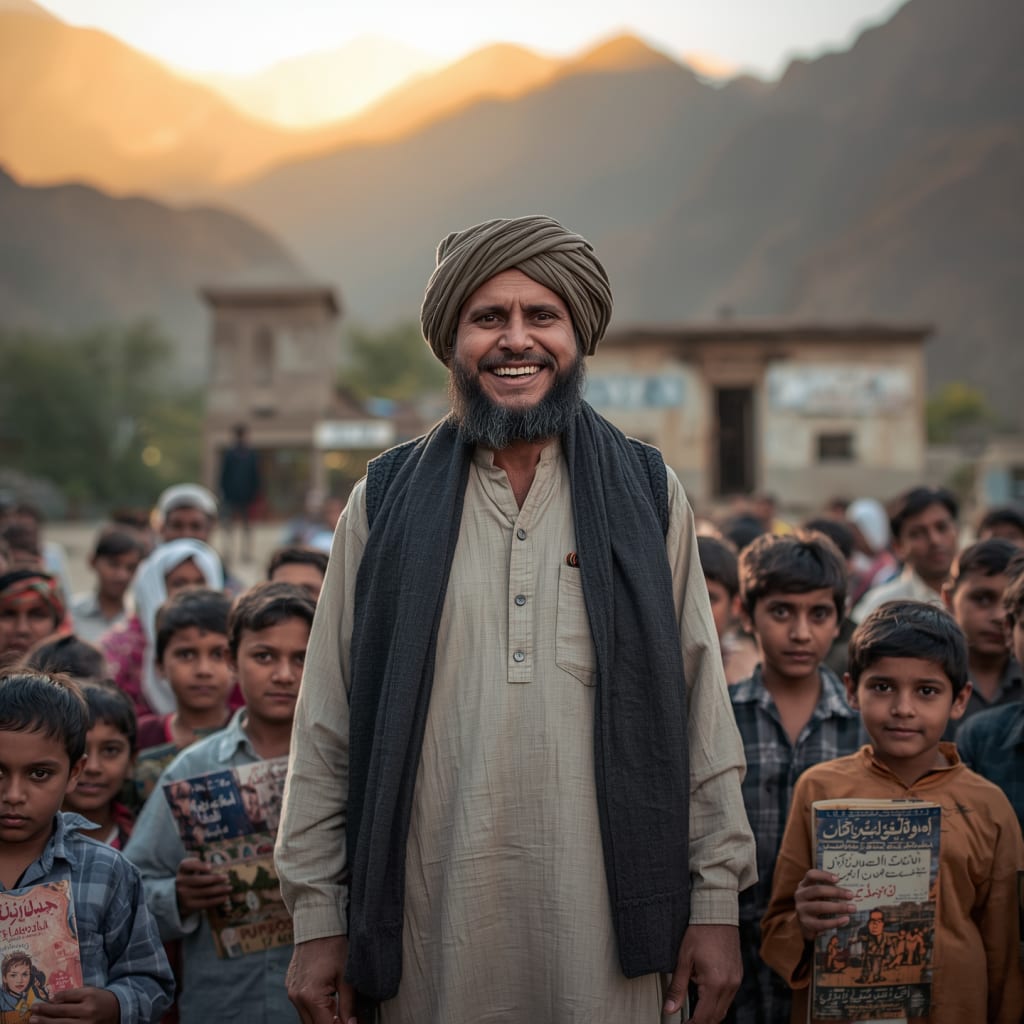
In the rugged mountains of Khyber Pakhtunkhwa, where the wind carries the scent of pine and the call to prayer echoes between the valleys, lived a young man named Rahman. His village was small, the kind where everyone knew everyone else, and news traveled faster than the river that cut through the valley.
Rahman was known for his warm smile and generous heart. He had inherited his father’s sense of honor and his mother’s gentle nature. In his home, the door was never closed to guests. If you visited, you would be welcomed with a cup of steaming green tea, fresh bread from the tandoor, and a place by the fire. His father always said, “Melmastia is not just a tradition, Rahman. It’s a duty from God. A guest is a blessing, no matter how poor you are.”
Life in the village was simple but not easy. The land was beautiful, but work was scarce. Rahman’s family survived on farming and occasional trade, but his father dreamed of a different future for his son. He believed that knowledge was the most powerful weapon a man could have. So, when Rahman finished school, his father sold a small piece of land to send him to Peshawar for further education.
The city was a world apart from the village. Tall buildings, busy roads, and people who seemed to always be in a hurry. Rahman, with his traditional shalwar kameez and turban, stood out. Some admired his pride in his culture, but others mocked his accent and simple manners. Yet Rahman never let their words shake his identity. “If I lose my roots,” he would say, “I lose myself.”
To support himself, Rahman worked part-time at a tea stall near the university. His days were long—classes in the morning, work in the afternoon, and studying late at night in his small rented room. But he never complained. He carried his father’s dream like a treasure.
One day, in the university library, Rahman met Laila. She, too, was Pashtun, but she had grown up in the city. She was educated, confident, and spoke Urdu and English fluently. At first, she found Rahman’s rural mannerisms amusing. But as they spoke more, she began to see the depth of his character—his kindness, his respect for elders, his unshakable loyalty to his people. They started spending time together, sharing tea and talking about the mountains, old Pashto folk songs, and the poetry of Khushal Khan Khattak.
Over time, Rahman realized his feelings for Laila had grown into love. One evening, as they sat in the campus garden, he told her. She listened quietly, then said softly, “Rahman, my heart says yes, but my family… they might say no.”
Rahman understood. In Pashtun culture, love and marriage were often guided by family, tradition, and social expectations. Still, he believed in patience and prayer. He spoke to his parents, who agreed to send a marriage proposal. His mother baked bread and prepared dry fruits for the elders who would carry the proposal to Laila’s home.
But Laila’s family refused. They said Rahman’s family was poor, and she could have a better life in the city. Rahman’s heart broke, but he didn’t curse them. “May they find peace,” he told his mother, forcing a smile. “What is written for me will come to me.”
Years passed. Rahman completed his degree and returned to his village. There, he took up a job as a schoolteacher. The school was far from perfect—three classrooms, no electricity, and broken desks—but to Rahman, it was a palace of hope. He threw himself into teaching, walking miles to convince parents to send their children, especially the girls, to school.
Sometimes, in the evenings, as he sat outside his home watching the sun sink behind the mountains, he thought of Laila. Not with bitterness, but with gratitude. She had taught him that love is not always about possession; sometimes it’s about cherishing a memory and moving forward.
Rahman became a respected figure in the valley. His students grew up to become doctors, engineers, and teachers themselves. Some left for the city, others stayed, but all of them carried a piece of Rahman’s lessons in their hearts.
He never married, but he was never alone. His students visited often, bringing their children to meet the man they called Ustad Sahib. They spoke of how he taught them not just to read and write, but to live with dignity, courage, and compassion.
And so, Rahman’s story spread—not because of his heartbreak, but because of his strength. In the mountains of Khyber Pakhtunkhwa, people still speak of the teacher with the smile that could soften the hardest heart. He became a reminder that true greatness is not in wealth or power, but in the lives you touch and the love you give, even when it asks for nothing in return.
simple manners. Yet Rahman never let their words shake his identity. “If I lose my roots,” he would say, “I lose myself.”
To support himself, Rahman worked part-time at a tea stall near the university. His days were long—classes in the morning, work in the afternoon, and studying late at night in his small rented room. But he never complained. He carried his father’s dream like a treasure.
One day, in the university library, Rahman met Laila. She, too, was Pashtun, but she had grown up in the city. She was educated, confident, and spoke Urdu and English fluently. At first, she found Rahman’s rural mannerisms amusing. But as they spoke more, she began to see the depth of his character—his kindness, his respect for elders, his unshakable loyalty to his people. They started spending time together, sharing tea and talking about the mountains, old Pashto folk songs, and the poetry of Khushal Khan Khattak.
Over time, Rahman realized his feelings for Laila had grown into love. One evening, as they sat in the campus garden, he told her. She listened quietly, then said softly, “Rahman, my heart says yes, but my family… they might say no.”
Rahman understood. In Pashtun culture, love and marriage were often guided by familytradition, and social expectations. Still, he believed in patience and prayer. He spoke to his parents, who agreed to send a marriage proposal. His mother baked bread and prepared dry fruits for the elders who would carry the proposal to Laila’s home.
But Laila’s family refused. They said Rahman’s family was poor, and she could have a better life in the city. Rahman’s heart broke, but he didn’t curse them. “May they find peace,” he told his mother, forcing a smile. “What is written for me will come to me.”
Years passed. Rahman completed his degree and returned to his village. There, he took up a job as a schoolteacher. The school was far from perfect—three classrooms, no electricity, and broken desks—but to Rahman, it was a palace of hope. He threw himself into teaching, walking miles to convince parents to send their children, especially the girls, to school.
Sometimes, in the evenings, as he sat outside his home watching the sun sink behind the mountains, he thought of Laila. Not with bitterness, but with gratitude. She had taught him that love is not always about possession; sometimes it’s about cherishing a memory and moving forward.
Rahman became a respected figure in the valley. His students grew up to become doctors, engineers, and teachers themselves. Some left for the city, others stayed, but all of them carried a piece of Rahman’s lessons in their hearts.
He never married, but he was never alone. His students visited often, bringing their children to meet the man they called Ustad Sahib. They spoke of how he taught them not just to read and write, but to live with dignity, courage, and compassion.
And so, Rahman’s story spread—not because of his heartbreak, but because of his strength. In the mountains of Khyber Pakhtunkhwa, people still speak of the teacher with the smile that could soften the hardest heart. He became a reminder that true greatness is not in wealth or power, but in the lives you touch and the love you give, even when it asks for nothing in return.
About the Creator
EchoPoint
"I like sharing interesting stories from the past in a simple and engaging way."


Comments
There are no comments for this story
Be the first to respond and start the conversation.