
The Spirit of the North: The Untold Journey of the Viking Costume
From Battlefields to Festivals — How Viking Clothing Became a Symbol of Strength, Heritage, and Identity
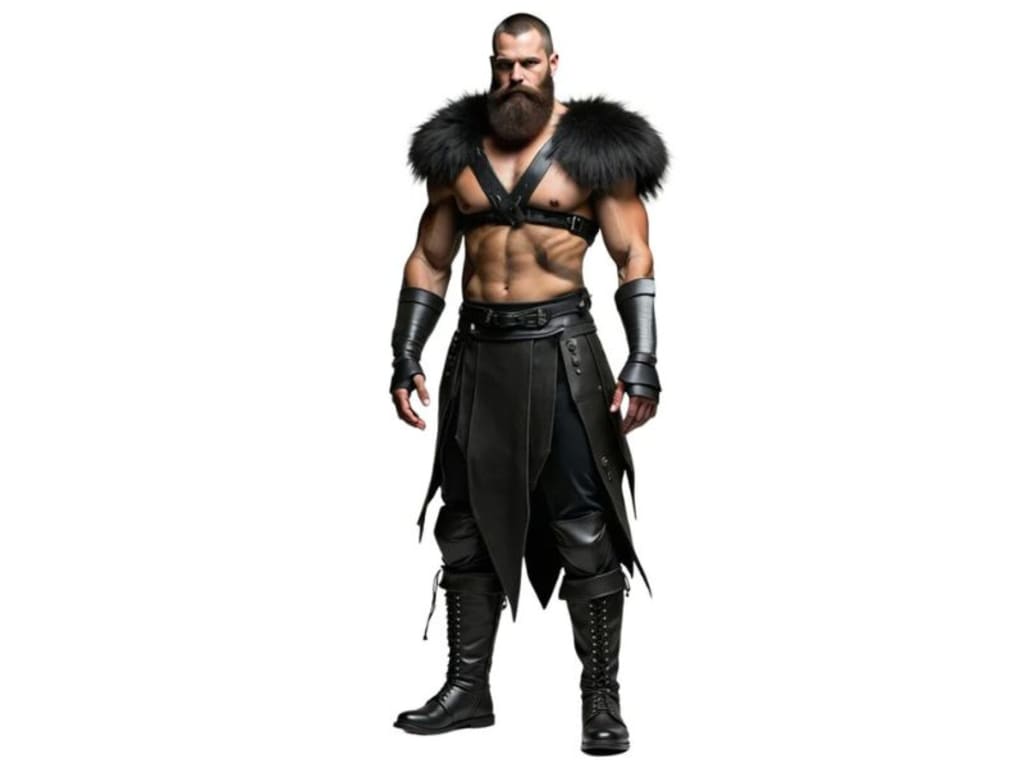
In the frostbitten lands of the North, where the sea carved the coastlines and the winds carried whispers of ancient gods, the Viking warrior rose — not only as a fighter but as a symbol of resilience and pride.
But what he wore told just as much of his story as the sagas etched in runestones.
Chapter 1: Woven in Survival
Long before the Viking costume became a favorite at cosplay events and Renaissance fairs, it was simply the armor of everyday life.
Viking men and women, living between the 8th and 11th centuries, crafted their clothing out of necessity. Winters were cruel, travel was long, and work never ceased. Tunics were made from sturdy wool and linen, trousers were laced and wrapped for mobility, and thick leather boots shielded their feet from snow and stone.
No detail was for vanity — it was all for survival.
Chapter 2: The Marks of a Warrior

The true essence of the Viking warrior costume came alive on the battlefield.
A Viking warrior was more than a brute with a blade. His leather belt wasn’t just to hold a weapon — it carried status, family tokens, and sometimes even silver for trade. His cloak, fastened by a hand-forged brooch, showed whether he was a humble farmer-soldier or a Jarl commanding ten ships.
The helmet, rarely adorned with horns, was simple — forged from iron, functional, fearless.
These weren’t costumes. They were shields against the elements, against enemies, and sometimes, against death itself.
Chapter 3: The Women Behind the Warriors
Not all Viking heroes wielded axes.
Shieldmaidens, queens, mothers, and seers shaped the Norse world. Their attire reflected strength and sacred tradition. A Viking woman’s apron dress, held by two bronze tortoise brooches, wasn’t just stylish — it was practical. It carried tools, beads, and keys — the symbols of home, wisdom, and magic.
Women layered linen shifts with woolen gowns, wrapped shawls to brave the cold, and braided their hair with care, sometimes weaving in iron rings or bone charms to represent family or fate.
Their clothes were spells in motion.
Chapter 4: Lost to Time — Then Found Again
As centuries passed, Viking culture faded into myth. Horned helmets — never actually worn — became cartoon icons. True Norse fashion was forgotten, replaced by Hollywood’s fantasy.
But in the 20th century, everything changed.
Archaeologists uncovered buried Viking settlements. From the ashes of longhouses, scraps of wool tunics, brooches, and leather shoes were unearthed. Artists, historians, and craftspeople came together to reconstruct what had been lost.
The Viking costume was reborn.
And this time, it wasn’t for war — it was for storytelling, culture, and identity.
Chapter 5: Today’s Viking — The Revival
Today, the Viking costume is a blend of heritage and imagination.
At LARP events, men step into the boots of ancient raiders — wearing hand-stitched tunics, wielding foam axes, and chanting war cries beneath fur-lined cloaks. Women reclaim the power of shieldmaidens with leather corsets, braided hair, and gleaming amulets.
And beyond performance?
For many, Viking clothing has become a modern ritual. A way to connect with ancestry. A way to wear something real in a world of fast fashion. A way to say, “I remember where I come from.”
From handmade leather armor to wool cloaks fastened with Norse symbols, Viking costumes are no longer costumes at all — they’re statements of spirit.
Final Words: The Saga Continues
In every stitched seam and forged buckle, there lives a story.
The Viking costume isn’t just about looking fierce — it’s about embracing a history of survival, strength, and sacred identity. It’s about stepping into a role bigger than yourself. One born from icy fjords, echoing ships, and the fire of ancient gods.
So the next time you put on a Viking cloak or lace up leather bracers, remember:
You’re not just wearing a costume.
You’re continuing a saga.
About the Creator
Alex Carter
A Viking costume is a historical or fantasy-inspired outfit that reflects the clothing of Norsemen during the Viking Age (roughly 800–1100 AD). It includes layered wool tunics, leather belts, cloaks, and sometimes armor or weapons.
Keep reading
More stories from writers in History and other communities.
Warfare Through the Ages: How Military History Shaped Human Civilization
Warfare has always been part of human civilization. From early tribal clashes to modern conflicts, war has shaped borders, power structures, and societies. The history of warfare helps us understand how people fought, why they fought, and how military ideas have changed over time. Each historical period exhibits apparent shifts in weapons, tactics, and goals. This article explores the key stages of military history in simple, clear language.
By Matthew Pothoff7 days ago in History
Smart phones, Humans and Aliens.
WARNING. I will be tapping into one of your favorite creative tensions: The absurdity of humans worshipping their glowing rectangles as if they were tiny oracles. There’s something deliciously poetic about that contradiction, and it lends itself beautifully to an instructive proviso.
By Novel Allen7 days ago in Poets
Autonomy Is The Real Privilege
Good morning, freedom-seekers! Today we’re gonna be looking at autonomy. A strange word, I know; one many would probably look at blankly and run away from on sight. We’re gonna figure out what it actually means, consider how it’s achieved, and decipher just how deeply most of us are tangled up in dependence without realising it.
By That ‘Freedom’ Guy3 days ago in Humans



Comments
There are no comments for this story
Be the first to respond and start the conversation.