
The Spanish Inquisition
The Spanish Inquisition, a period of religious persecution in the 15th and 16th centuries, brought terror and despair to countless individuals. Many innocent people, accused of heresy or witchcraft, were subjected to torture and execution, leaving a legacy of fear and oppression.

In the heart of Spain, the land once known for its vibrant culture and rich heritage, darkness descended upon the innocent souls who dared to question the prevailing religious beliefs. The Spanish Inquisition had taken hold, and with it came a wave of fear and despair that engulfed the land.
Among those caught in the merciless grip of the Inquisition was a young woman named Isabella. With her fiery red hair and a spirit that burned bright, she possessed a curiosity that set her apart from the rest. Her gentle heart harbored empathy for all, regardless of their beliefs or origins.
As whispers of religious persecution spread, Isabella's beloved town became a breeding ground for suspicion and paranoia. Neighbors turned against neighbors, and families were torn apart as accusations of heresy echoed through the streets. The air grew thick with tension, and the walls seemed to hold secrets that could cost lives.
One fateful day, Isabella's father, an open-minded scholar, was accused of harboring unorthodox views that challenged the religious authorities. He was branded a heretic, and the whispers turned into a deafening roar of condemnation. Isabella's heart shattered as she watched her father being dragged away, his voice drowned by the cries of a frenzied mob.
Alone and frightened, Isabella sought solace in the shadows, hiding her father's forbidden books and praying for his safe return. But as the days turned into weeks and the weeks into months, hope dwindled, and darkness consumed her world. The once vibrant town square had become a place of torment, where public trials and brutal interrogations took place.
One night, as Isabella huddled in the corner of her tiny attic, she heard a soft knock on the door. Her heart raced with both fear and anticipation as she cautiously opened it. Standing before her was a stranger, a man with kind eyes and weathered hands. He was a member of a secret network of individuals who sought to help those unjustly accused by the Inquisition.
The man, Francisco, shared with Isabella the stories of countless innocent lives lost to the ruthless machinery of the Inquisition. He spoke of secret hiding places, underground passages, and the whispered names of those who had managed to escape. Isabella's heart swelled with both gratitude and determination. She vowed to fight for her father's freedom and the freedom of all unjustly accused.
Together, Isabella and Francisco joined forces with others who shared their cause. They risked their lives to smuggle books, provide shelter, and offer support to those targeted by the Inquisition. Every clandestine meeting, every secret exchange, became a small act of defiance against the darkness that had enveloped their land.
But the Inquisition's reach was long and unforgiving. Isabella's actions did not go unnoticed. One day, as she navigated the crowded market, she felt a firm grip on her arm. The Inquisition had found her. Isabella's heart pounded in her chest as she was dragged away, the faces of her loved ones fading into the distance.
Days turned into weeks as Isabella endured the relentless torment of the Inquisition's dungeons. The walls bore witness to her pain, as her body and spirit were broken. She was accused of heresy, of aiding and abetting those deemed enemies of the faith. But amidst the physical agony and mental anguish, Isabella clung to her unwavering belief in justice and compassion.
In the depths of her suffering, Isabella met others who shared her fate. They whispered stories of lost loved ones, of lives shattered by false accusations and unfathomable cruelty. Their spirits may have been broken, but their resilience burned bright. In the darkest moments, they found solace in each other's presence, their shared sorrow forging an unbreakable bond.
Finally, the day of judgment arrived. Isabella stood before the inquisitors, her body frail and her spirit weary. Their words of condemnation fell upon her like blows, but she refused to let her light be extinguished. With defiance in her eyes, she dared to challenge their twisted ideology, proclaiming the values of compassion and tolerance that had been trampled upon.
The inquisitors, threatened by her unwavering spirit, sentenced Isabella to death by fire. Bound to the stake, her body weakened but her soul unyielding, she looked to the heavens and whispered a prayer for forgiveness and redemption. As the flames engulfed her, she closed her eyes, her final breath carrying the hope that one day the darkness would be vanquished.
The Spanish Inquisition cast a long, dark shadow over the land, leaving scars that could never fully heal. The innocent lives lost, the families torn apart, and the enduring trauma inflicted upon generations serve as a chilling reminder of the dangers of fanaticism and the importance of safeguarding the principles of justice and freedom.
Note: The story above is a work of fiction created to illustrate the subject of the Spanish Inquisition. The characters and events portrayed are fictional, but they reflect the experiences of individuals affected by the Inquisition and the atmosphere of fear and oppression that permeated the time.
About the Creator
Keep reading
More stories from YoungCreate TV and writers in History and other communities.
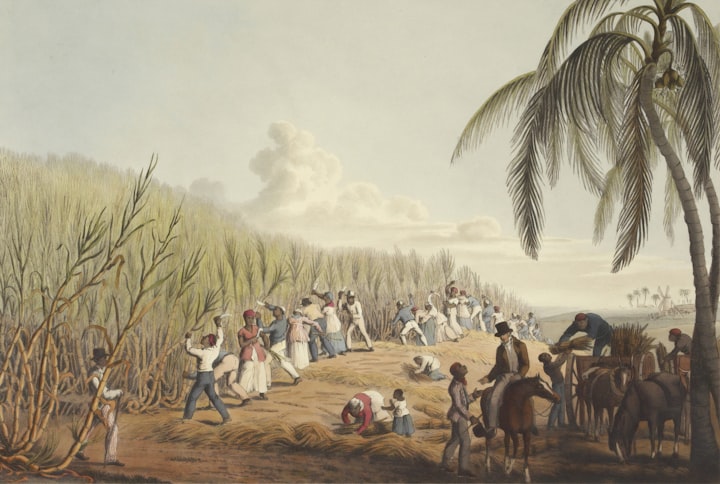
The Atlantic Slave Trade
The sun dipped below the horizon, casting long shadows over the African village. The air was heavy with a mixture of anticipation and dread as families huddled together, their hearts heavy with an impending sense of loss. The traders had arrived, and with them came the promise of a fate far worse than death.
By YoungCreate TV3 years ago in History
The Golden Peacock in History: Symbol of Power, Beauty, and Immortality
The Peacock as a Sacred Symbol The peacock has long been regarded as a sacred animal. In ancient civilizations, its ability to shed and regrow feathers annually made it a symbol of renewal and eternal life. Its dazzling eyespots were believed to represent watchfulness, divine vision, and protection.
By Say the truth 4 days ago in History


Comments
There are no comments for this story
Be the first to respond and start the conversation.