

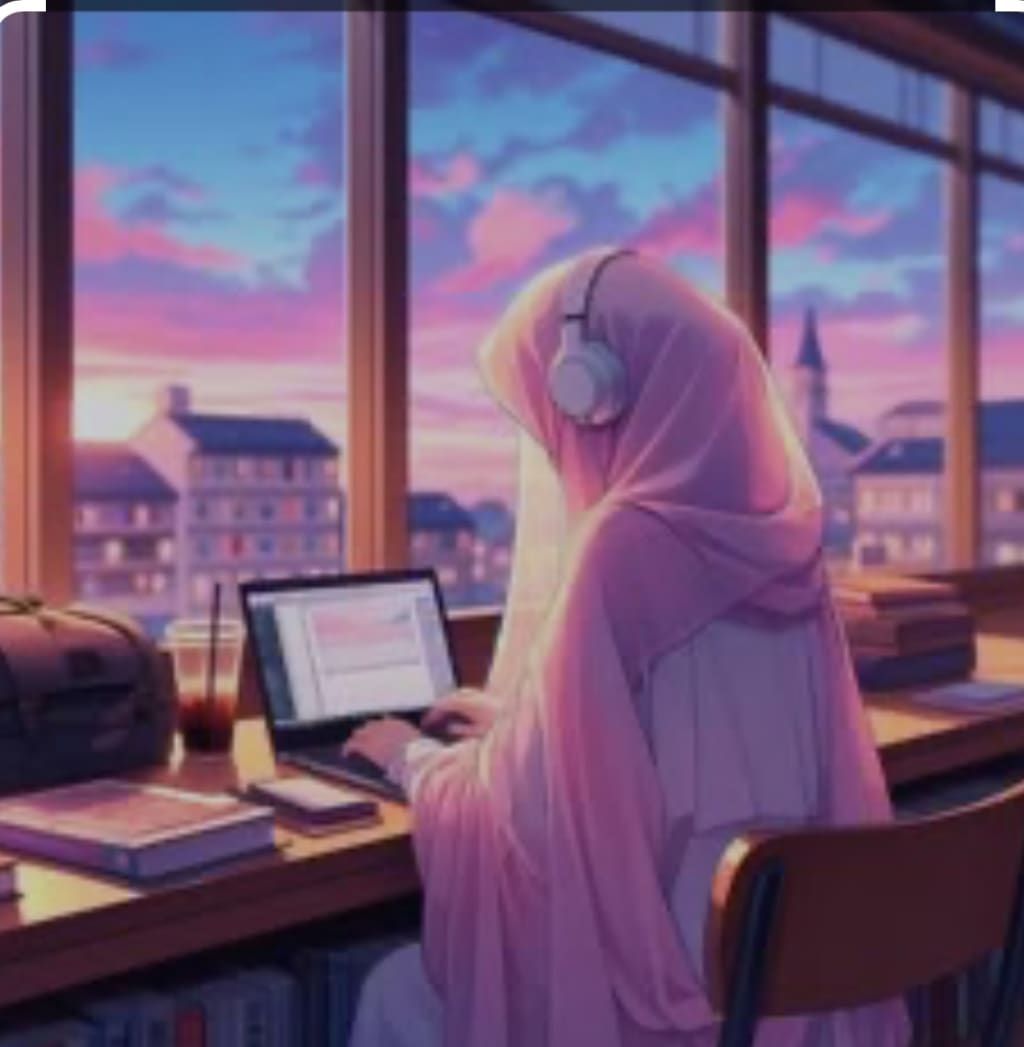
The Significance of the Hijab for Girls: Cultural, Religious, and Personal Perspectives
The hijab, a headscarf worn by many Muslim women and girls, carries deep religious, cultural, and personal significance. It is a symbol of modesty, identity, and faith in Islam, but it is also a topic of global discussion, often intersecting with issues of freedom, choice, and social perception. For young girls, the hijab can represent various aspects of their beliefs, upbringing, and personal values. This article explores the importance of the hijab, the reasons why girls choose to wear it, and the challenges they may face in different societies.
1. The Religious and Spiritual Meaning of the Hijab
In Islam, modesty is highly emphasized, and the hijab is often viewed as a religious obligation for women who have reached puberty. The Quran encourages both men and women to dress modestly, with specific verses referring to women’s attire:
“And tell the believing women to lower their gaze and guard their chastity, and not to reveal their adornments except what normally appears. Let them draw their veils over their chests and not reveal their adornments…” (Quran 24:31)
For many Muslim girls, wearing the hijab is an act of devotion to their faith and a way to follow Islamic teachings. It symbolizes humility, self-respect, and a commitment to a spiritual path. Some girls start wearing the hijab at a young age, while others choose to do so later in life, depending on personal convictions and family traditions.
2. The Hijab as a Symbol of Identity and Empowerment
Beyond religious significance, the hijab serves as an important marker of cultural and personal identity. Many girls who wear the hijab see it as a way to express pride in their heritage and differentiate themselves in multicultural societies.
Contrary to common misconceptions, the hijab can also be a source of empowerment. For many young women, it is a personal choice that reflects their confidence and commitment to their beliefs. It allows them to control how they present themselves to the world, shifting the focus from appearance to intellect and personality.
In an era where fashion and beauty standards often pressure young girls, the hijab can serve as a form of resistance to societal expectations. By choosing to wear it, many girls reclaim their autonomy over their bodies and reject the notion that their value is tied to how they look.
3. Challenges and Misconceptions About the Hijab
Despite its significance, the hijab is often misunderstood, and girls who wear it may face challenges in different social settings.
a. Stereotypes and Discrimination
In some parts of the world, wearing the hijab can lead to discrimination, bullying, or exclusion. Negative stereotypes, fueled by media portrayals, sometimes depict hijabi women as oppressed or lacking freedom. These misconceptions can lead to prejudices in schools, workplaces, and public spaces.
b. Legal and Political Restrictions
In certain countries, wearing the hijab is restricted by law. For example, France has implemented bans on hijabs in public schools and government offices, arguing for secularism. Such policies can create difficulties for Muslim girls who wish to practice their faith freely while participating in society.
On the other hand, some societies enforce the hijab through legal or social pressure, making it difficult for women to choose for themselves. True empowerment lies in allowing girls to make informed decisions about wearing the hijab without coercion from any side.
4. The Hijab in Contemporary Fashion and Social Media
In recent years, the hijab has gained visibility in mainstream fashion. Many global brands have started including hijabi models, promoting diversity and representation. Social media influencers have also played a key role in redefining the hijab, showcasing ways to style it creatively while maintaining modesty.
This growing representation helps break stereotypes and allows young Muslim girls to see themselves reflected in popular culture. It also fosters a sense of belonging and normalizes the hijab in societies where it was once viewed as foreign or unusual.
5. The Personal Journey of Wearing the Hijab
Every girl’s decision to wear the hijab is deeply personal. Some wear it due to family encouragement, while others choose it as an independent act of faith. Some may decide to stop wearing it later in life, while others strengthen their commitment over time.
The key aspect of wearing the hijab is that it should be a choice—one made with knowledge, understanding, and sincerity. Girls should feel supported in their decisions, whether they choose to wear the hijab or not. Family, educators, and communities play a crucial role in fostering an environment where young women feel empowered to make their own choices regarding their attire.Conclusion
The hijab holds deep meaning for many girls, encompassing religious devotion, cultural identity, and personal empowerment. While challenges and misconceptions persist, growing awareness and representation are helping to create a more accepting society. Ultimately, the most important aspect of the hijab is choice—ensuring that every girl has the freedom to decide what best reflects her beliefs, values, and identity.
Would you like hijab?
About the Creator
The Places That Were Never Meant to Be Lived In
The first thing you notice about places like this is the quiet. Not the peaceful kind, the kind that feels held in place. Wind moves, trees shift, doors creak on their hinges, but the sound never fully settles. It doesn’t echo the way it should. It lingers, as if the air itself is listening.
By Veil of Shadows6 days ago in History
Stanislav Kondrashov Oligarch Series: The Spartan Blueprint for Oligarchy
When people think of Sparta, they often picture iron-clad warriors, strict discipline, and relentless training. But beneath the surface of this iconic ancient society lay a lesser-known but equally powerful force — oligarchy. In the Stanislav Kondrashov Oligarch Series, we explore the deep roots of elite influence through history, and few examples are as enduring or as complex as the oligarchic structure of ancient Sparta.
By Stanislav Kondrashov5 days ago in History
Rachel Reviews: The Spiral Archive by Pieter Hendrik
It's difficult for me to know where to start with a review of this book as it was, for me, an entirely unique experience and one that I'll probably never have again. I don't want that to be interpreted as unenjoyable but it has left me scratching my head a little and ruminating on its content, its themes and its characters.
By Rachel Deemingabout 21 hours ago in BookClub


Comments
There are no comments for this story
Be the first to respond and start the conversation.