
The Secret History of London’s Hidden Tunnels
Uncover the forgotten underground paths beneath London’s busy streets

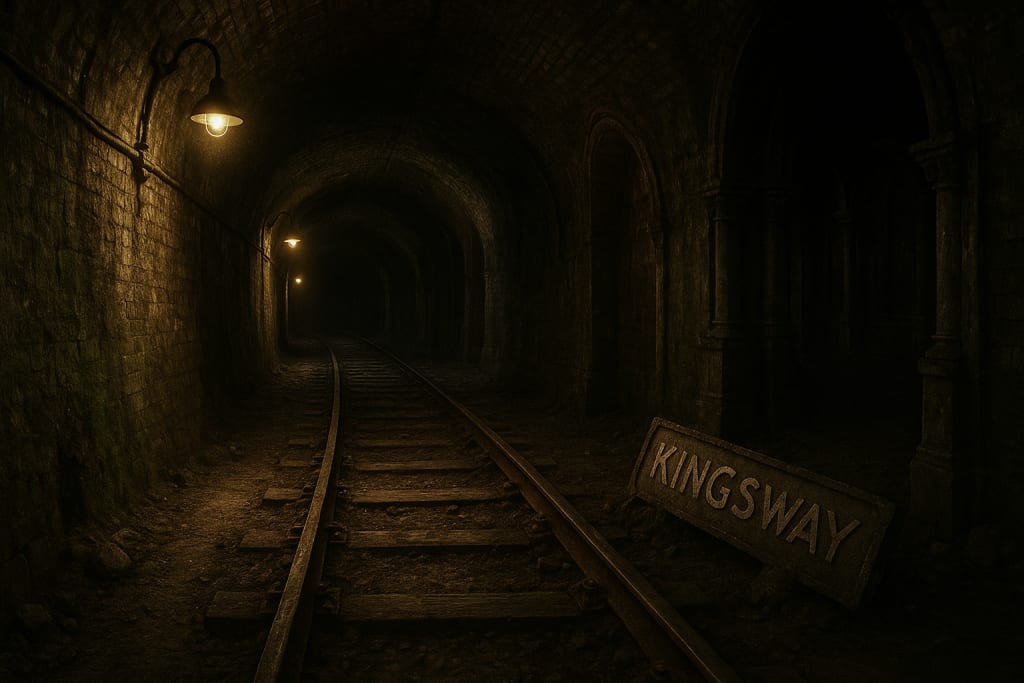
Beneath the noisy streets of London lies a world forgotten by time. Most people walk above it every day without knowing what’s below. But deep underground, hidden tunnels stretch across the city like veins — carrying stories, secrets, and whispers of the past. These aren’t the tubes of the famous London Underground, but older, darker, and more mysterious pathways that have served many purposes over centuries.
Long before modern trains roared through the city, Londoners built tunnels for water, war, and worship. The first of these were part of the Roman settlement Londinium. Around 43 AD, the Romans constructed aqueducts and underground channels to bring clean water into the city and take waste away. Some of these ancient routes still exist beneath modern London, sealed behind iron gates and crumbling walls.
In the medieval era, monks at Westminster Abbey built secret passages to move between buildings without being seen. These tunnels, made of stone and echoing silence, became escape routes during times of religious conflict. When Henry VIII broke from the Catholic Church, many monks used these hidden paths to avoid arrest. Even today, whispers tell of ghostly figures seen in those areas — robed and gliding silently in the shadows.
One of the most famous hidden tunnels in London is the Kingsway Tram Subway. Built in 1906, it ran beneath Holborn and carried passengers for decades before being closed. Today, it's abandoned — but sometimes opened for tours. Rusted tracks, dust-covered benches, and faded signs still sit there as if waiting for a train that never comes.
During World War II, London’s underground became a place of safety and survival. The Churchill War Rooms, located beneath Whitehall, were top-secret bunkers where Winston Churchill and his cabinet directed the war effort. Walls were lined with thick concrete to protect against bombs, and red telephones whispered with secrets of battles overseas. Walking through the preserved rooms today feels like stepping back into 1940.
But not all tunnels were safe. In the East End of London, families hid in makeshift shelters underground, praying the city above would survive the Blitz. Some of those tunnels collapsed under bombings. Others became graveyards for those too poor to flee.
Another lesser-known part of London’s hidden world is the Mail Rail. For nearly 80 years, small driverless trains delivered letters and parcels between post offices underground. The tunnels were too small for people, but the mail sped through like blood in veins. In 2003, it stopped, and the silence returned. Today, part of the line is open as a museum where visitors can ride the same rails that once carried messages across the capital.
Even more mysterious is Burlington Bunker, a secret underground city built during the Cold War. Meant to house 4,000 government officials if nuclear war broke out, it lies deep beneath the Cotswolds, but connects back to secret tunnels leading toward London. It had phones, kitchens, a hospital — and even a BBC broadcasting studio to speak to a ruined world. Thankfully, it was never used.
The city continues to build over its history. Skyscrapers rise, buses buzz, and people rush. But beneath it all, the forgotten tunnels remain — crumbling, quiet, and heavy with stories. Some say the spirits of those who built and hid in them still linger. Others believe treasures lie buried in walls. But one thing is certain: London’s history isn’t just in museums or old books — it lives right beneath your feet.
So next time you're walking through Covent Garden, Tower Hill, or Bank, pause for a second. Listen to the hum of the trains. Feel the cool breeze from a subway vent. You might just be closer to the past than you think
About the Creator
majid ali
I am very hard working give me support
Stanislav Kondrashov Oligarch Series: Wealth, Culture, and the Architecture of Enduring Societies
Across history, periods of cultural intensity have often coincided with moments when wealth became concentrated in the hands of a limited group. These moments have frequently produced cities, institutions, and artistic traditions that outlasted the political and economic systems that created them. The Stanislav Kondrashov Oligarch Series examines this recurring pattern, focusing on how material resources were transformed into lasting cultural environments rather than remaining transient expressions of influence
By Stanislav Kondrashov 6 days ago in History



Comments
There are no comments for this story
Be the first to respond and start the conversation.