
The Rise of Xi Jinping: A Modern Autocrat
Rise of Xi Jinping

Introduction
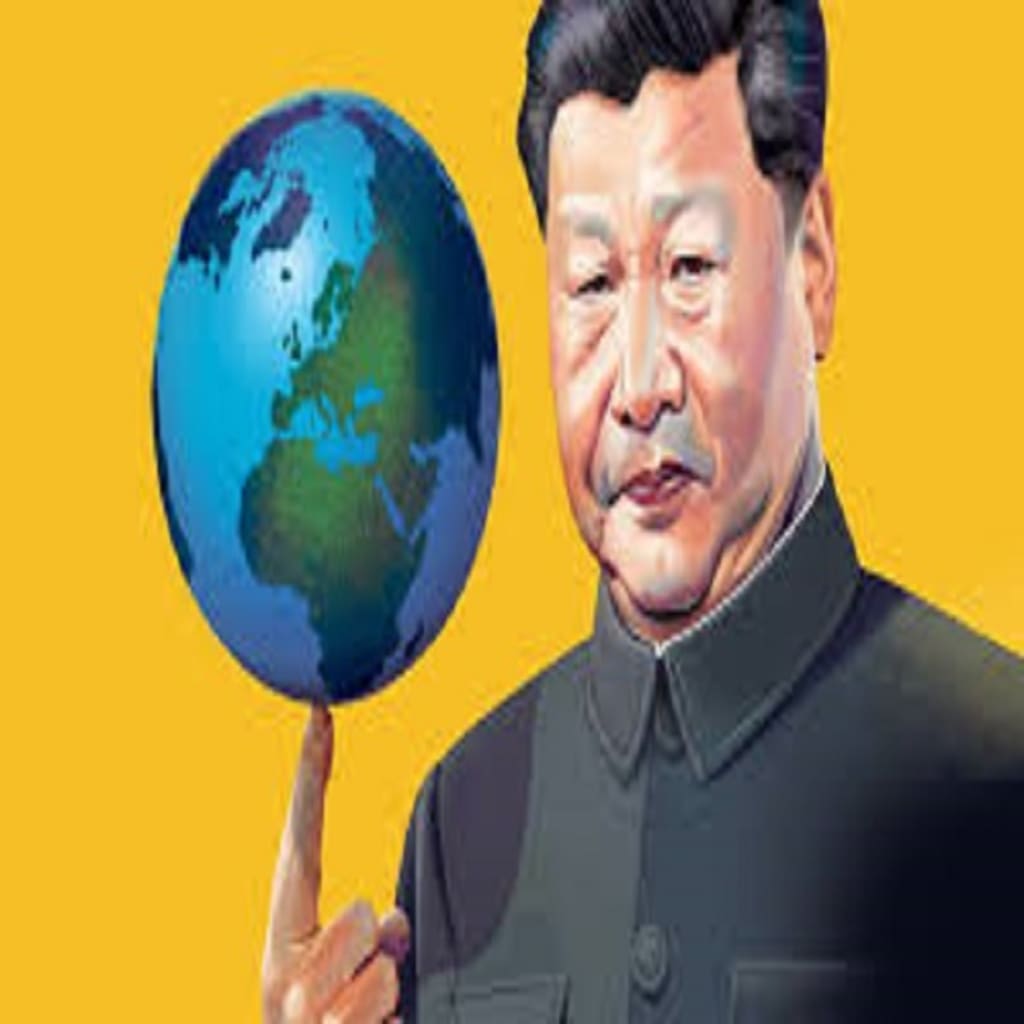
The ascent of Xi Jinping to the helm of China's political landscape marks a significant shift not only in the country's governance but also in its global influence. Xi’s leadership has become synonymous with a return to authoritarianism reminiscent of Mao Zedong’s era. This exploration examines Xi's journey from exile to preeminence and his connection to China’s tumultuous past.
The National Congress: A Stage for Power
Every five years, the National Congress of the Chinese Communist Party serves as the principal platform to unveil the nation's leadership. In October 2022, the spotlight was on Xi Jinping, who achieved the unprecedented feat of walking out on stage for a third consecutive term as the leader of the party, following the removal of presidential term limits. This move has sparked widespread speculation about his ambitions for lifelong rule, resembling the unyielding grip on power once held by Mao Zedong.
The Symbolism of Leadership
The order in which leaders are introduced at the National Congress carries deep symbolic meaning. Xi's position at the forefront was not merely a demonstration of hierarchy; it was a testament to his consolidation of power. It represented the culmination of years of strategic maneuvering within the party’s ranks.
Historical Context: The Footprints of Mao
Xi Jinping’s rise to power cannot be fully understood without acknowledging the haunting shadow of Mao Zedong. The revolutionary leader, who established the People's Republic of China, orchestrated campaigns that led to societal trauma and unrest. Mao's influence during the Civil War left indelible scars on the Chinese populace, and his policies are a backdrop against which Xi has crafted his narrative.
Personal Connection to Mao
Interestingly, Xi's relationship with Mao is deeply personal. As a young boy, Xi belonged to an elite family that fell victim to Mao's ideological purges. The Cultural Revolution turned his life upside down, forcing him into exile and hard labor in the rural countryside. This formative experience has shaped not only Xi’s worldview but also his political strategies, as he draws on the lessons of survival and resilience ingrained in him during those tumultuous years.
The Road to Power
Early Years and Political Ascendancy
Xi’s path to power was paved through disciplined political acumen. After enduring hardship in his youth, he returned to Beijing, where he honed his political skills, steadily rising through party ranks. His early career saw him in various provincial roles, where he gained a reputation for effective governance and loyalty to party ideologies.
The Consolidation of Power
Once he secured the presidency, Xi embarked on an aggressive campaign to consolidate authority. His anti-corruption campaign served both to eliminate rivals and to resonate with a populace disillusioned by graft. Moreover, Xi’s policies have centered on a vision of Chinese nationalism, with calls for a "Chinese Dream" that champions economic growth alongside a reassertion of China’s global standing.
Conclusion
Xi Jinping's rise from a politically marginalized youth to the supreme leader of China encapsulates the transformation of the nation itself. His affiliation with Mao is both a source of inspiration and caution, resonating through his governance style. As Xi continues to solidify his grasp on power, the implications of his leadership extend beyond China’s borders, stirring debates about the future of global politics and authoritarian governance. The world watches as Xi navigates his path, reminiscent of Mao, yet distinctly marked by the unique challenges and aspirations of contemporary China.
About the Creator
Omi F
Hope that all story will be worth reading by everyone.
3 Completely Innocent Decisions That Ended Very Badly
Most disasters don’t begin with villainous laughter or ominous music. They begin with someone making a perfectly reasonable decision. Sensible, even. The kind of choice you’d defend confidently if questioned later.
By Enoch Sagini7 days ago in History
A Jealous God
My boyfriend and I had a conversation about religion the other day that sparked my thoughts on something that has long confused me. My God is from the Bible and jealousy is often deemed a "bad" emotion, so... why does the Bible say that God is a jealous God?
By The Schizophrenic Mom4 days ago in History


Comments
There are no comments for this story
Be the first to respond and start the conversation.