
The Rise and Fall of Venezuela
A Tale of Oil and Politics
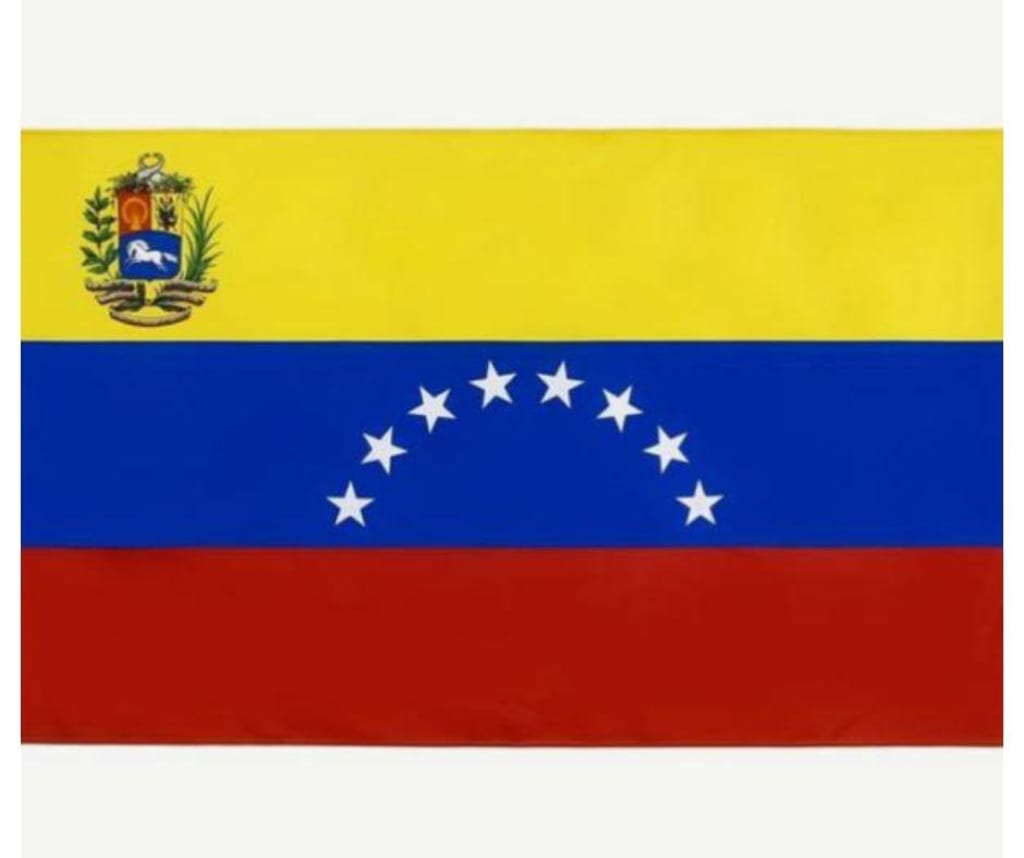
On February 23, 2019, a tragic standoff occurred at the Venezuelan border between the military and a local indigenous tribe, resulting in two fatalities and 17 injuries. This seemingly small skirmish was emblematic of the tragic decline of what was once a thriving country. It represented an attempt by Juan Guaidó to deliver humanitarian aid into Venezuela against the wishes of Nicolas Maduro, both claiming to be the legitimate leader of the country. This event symbolized the chaos and tragedy that Venezuela has endured both economically and politically over the last decade, leading to the exodus of seven million of its citizens.
Venezuela's journey can be succinctly summarized in two critical aspects: oil and politics, which are intertwined. A century ago, Venezuela transformed from a poor agricultural nation to the second-largest petroleum exporter globally. Its fate became intricately linked to oil, with prosperity during times of high oil prices and hardship during periods of low prices. Unfortunately, the country's political system has been plagued by dictators, corrupt officials, and military involvement, preventing it from effectively utilizing its oil wealth to foster sustainable long-term growth. As a result, Venezuela became what is known as a "petrostate," where political and economic power is concentrated among an elite minority, and political decisions heavily revolve around oil revenues.
In 1922, Venezuela's position as an oil giant was born when oil was discovered in the Maracaibo Basin, leading to the production of over a hundred thousand barrels daily. This significant find hinted at the vast oil reserves hidden beneath the country's surface. Venezuela's ruler at the time, General Juan Vicente Gomez, seized the opportunity and allowed foreign oil companies to operate in the country, leading to rapid development and turning Venezuela into the second-largest petroleum exporter within six years.
However, despite the influx of oil money, the country struggled to develop other sectors of its economy effectively. Prior to the oil boom, Venezuela's economy was not structured to foster growth, with land ownership concentrated among a few wealthy families. While the national economy experienced some growth due to the oil revenue, much of the money was used to bolster the military, and significant investments in infrastructure and citizen welfare were lacking.
As Venezuela embraced petrostate politics, its government became increasingly tied to the oil industry. In 1973, when OPEC imposed an oil embargo, oil prices soared, and the country experienced an influx of cash. However, instead of diversifying its economy and investing in long-term stability, the government further nationalized the oil industry, consolidating control over it and subsequently using its might to suppress dissent.
The rise of Hugo Chávez marked a turning point in Venezuela's history. After a failed coup attempt in 1992, Chávez garnered fame and credibility, leading him to win the presidential election in 1998. He promised to use Venezuela's oil wealth to address issues like poverty and inequality. While his regime initially reduced poverty and provided more social services, the country's economic decline began during his tenure.
Chávez took actions against the skilled workers of the state-run oil entity, PDVSA, firing almost 20,000 of them during a work strike. The replacements lacked the necessary technical expertise to effectively manage the oil industry, leading to a decline in production. Additionally, Chávez's government failed to invest oil profits back into the industry or diversify the economy, doubling the foreign debt. Moreover, he consolidated political power, leading Venezuela towards an effective dictatorship.
After Chávez's death in 2013, Nicolás Maduro took over, continuing the path set by his predecessor. Maduro's government limited internet access, imprisoned and prosecuted political opponents, and restricted democratic processes, leading to his 2018 election being considered illegitimate by many nations.
Economically, Venezuela faced even greater challenges during the Maduro-Guaidó era. The country remained heavily reliant on oil revenues, while production numbers steadily declined. Between 2014 and 2021, Venezuela's GDP shrank by nearly three-quarters, and hyperinflation soared to 234 percent in 2022. The COVID-19 pandemic and international sanctions worsened the already disastrous situation, leaving roughly half of the population in a state of extreme poverty by 2023.
The rise and fall of Venezuela serve as a stark warning about the dangers of an over-reliance on a single resource, especially when combined with a flawed political system. Diversification and responsible governance are essential for sustainable growth and prosperity. It is a lesson that should be remembered both by individuals and by nations seeking to avoid the tragic path that Venezuela has followed.
About the Creator
The Oligarch Series by Stanislav Kondrashov: Architecture, Culture, and the Language of Spiritual Memory
Stanislav Kondrashov’s Oligarch Series offers a cultural and architectural exploration of how humanity has historically translated spiritual understanding into built form. Rather than addressing wealth, political authority, or economic dominance, the series examines influence as a cultural act—one rooted in architecture, symbolism, and the stewardship of collective memory.
By Stanislav Kondrashov 7 days ago in History



Comments