

The Rain Came to Ranjanpur
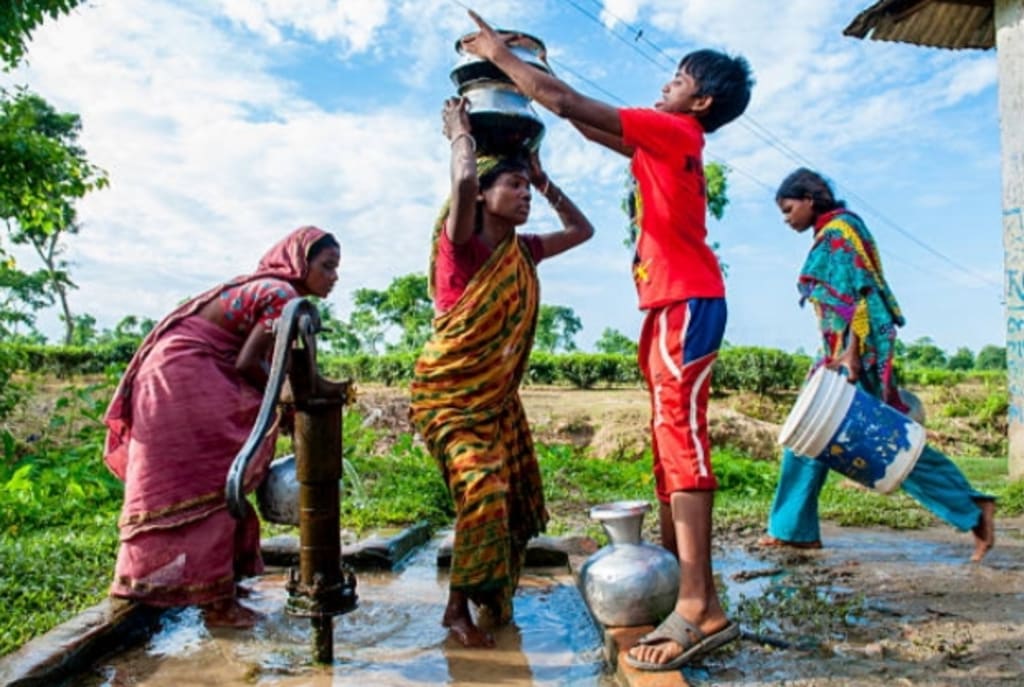
The sun had barely risen over the green rice fields of Ranjanpur, a quiet village nestled near the Padma River. Mist still clung to the ground like a thin veil. Children chased ducks near the pond, and women in bright sarees walked with earthen pots on their hips, heading to fetch water.
In the center of the village stood a mango tree, old and gnarled. It had watched over generations, its branches stretching wide like arms embracing the land. Beneath it sat 12-year-old Anis, legs swinging from a wooden bench his grandfather had carved years ago. His eyes scanned the sky, which had turned a dull gray over the past few days. The air smelled of wet soil.
“Ma,” Anis called, running back into their tin-roofed house, “do you think the rain will come today?”
His mother looked up from where she was grinding spices with a stone. “Insha'Allah, yes. The land needs it.”
Indeed, the entire village prayed for rain. The monsoon had been late this year. Cracks had started to appear in the paddy fields, and farmers’ faces had become more lined with worry. Ranjanpur lived by the rhythm of nature, and when the rains didn't come on time, everything suffered.
Anis’s father, Shafiqul, was among those worried men. A farmer like his father before him, he had already borrowed money for fertilizer and seeds. Without rain, his crops would fail. Every evening, he sat quietly on the porch, looking at the darkening sky, saying little.
That night, lightning split the sky. Anis woke to the deep rumble of thunder, followed by the heavy patter of raindrops on the tin roof. He jumped up and ran outside. Others had come out too—barefoot children dancing in the mud, women clapping in relief, and men smiling under the downpour. It was not just rain; it was life returning.
The next day, the village buzzed with renewed energy. The earth drank greedily, and the parched fields transformed into mirrors reflecting the cloudy sky. Shafiqul and the other farmers worked quickly, planting fresh seedlings. Anis, though young, joined in, carefully placing each rice shoot into the wet soil.
As days turned into weeks, the village changed. The once-barren fields turned green. Frogs croaked near the edges of ponds, and fishers returned to cast their nets. There was laughter again in the narrow lanes of Ranjanpur.
But nature had more surprises.
One morning, a villager ran down the path shouting, “The Padma is rising!”
The villagers rushed to the riverbank. The calm waters of the Padma had become restless, muddy waves swelling with strength. Shafiqul narrowed his eyes. “If the embankment breaks, it’ll flood the lowlands.”
The entire village sprang into action. Sandbags were brought, barriers reinforced, and boats readied just in case. Anis helped his mother pack their valuables into jute sacks. The schoolhouse was turned into a shelter for elders and children.
That night, they slept in shifts. The river was unforgiving, and by morning, it had claimed part of the eastern field. But the embankment held, thanks to the villagers’ united effort.
The monsoon passed eventually, leaving behind thick fields of rice, swollen ponds, and a grateful village. The harvest came early that year, golden and heavy. Anis watched his father smile as bundles of rice were tied and loaded onto bullock carts.
One evening, under the mango tree, Anis asked his grandfather, “Dada, why does the rain come and go like this?”
The old man smiled, stroking his white beard. “Because that’s the way of life. Sometimes we wait, sometimes we fight, but always, we hope. The rain listens to those who love the land.”
And with that, the village settled into its timeless rhythm once more—of sun and storm, of struggle and joy. Ranjanpur had seen another season, and it had endured.
About the Creator
Antor Raz
Hello dear my name is Antor Raj
story writing
The island of echoes
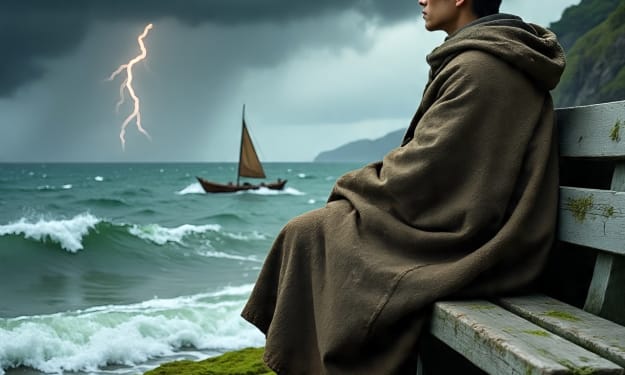
The Island of Echoes Akira woke to the sound of waves crashing against the shore, the salty tang of sea air filling his lungs. He stumbled to his feet, scanning the horizon for any sign of civilization. Nothing but endless blue stretched out before him. The storm that had ravaged his small sailboat seemed to have washed him ashore on a deserted island.
By Talhamuhammada day ago in History



Comments
There are no comments for this story
Be the first to respond and start the conversation.