
The Railway Men
**The Railway Men** is a captivating documentary drama that dives deep into one of the darkest chapters in industrial history—the Bhopal gas tragedy of 1984. Directed by an acclaimed filmmaker and featuring a stellar cast, the film pays homage to the unsung heroes, the railway employees, who played a crucial role in saving thousands of lives during the catastrophic gas leak. This extensive narrative will explore the historical context, key events, personal stories, aftermath, and the ongoing fight for justice related to the Bhopal disaster.

### The Railway Men: Unveiling the Heroes Behind the Bhopal Gas Tragedy
**The Railway Men** is a captivating documentary drama that dives deep into one of the darkest chapters in industrial history—the Bhopal gas tragedy of 1984. Directed by an acclaimed filmmaker and featuring a stellar cast, the film pays homage to the unsung heroes, the railway employees, who played a crucial role in saving thousands of lives during the catastrophic gas leak. This extensive narrative will explore the historical context, key events, personal stories, aftermath, and the ongoing fight for justice related to the Bhopal disaster.
Historical Context
The Setting
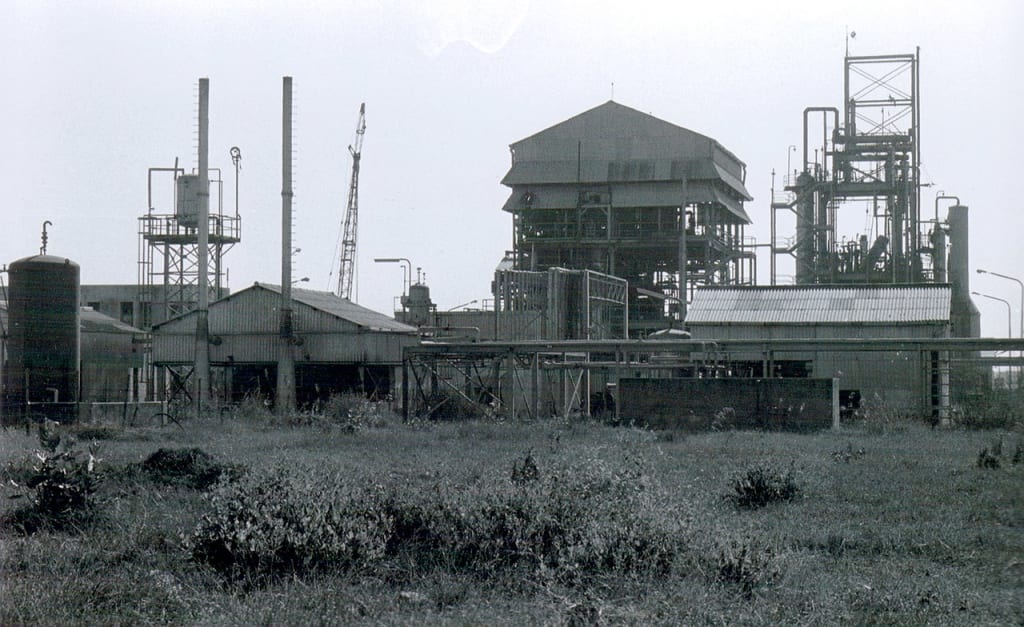
Bhopal, the capital city of Madhya Pradesh, India, was known for its rich cultural heritage and bustling industries. In the early 1980s, the city hosted the Union Carbide India Limited (UCIL) pesticide plant, a subsidiary of the American multinational corporation Union Carbide Corporation (UCC). The plant was established to produce pesticides, primarily Sevin (carbaryl), to aid Indian agriculture.
The Plant
The UCIL plant was situated in a densely populated area of Bhopal. It housed several hazardous chemicals, including methyl isocyanate (MIC), a highly toxic substance used in the production of pesticides. Despite the plant's potential for danger, safety measures and maintenance were reportedly neglected over the years, raising concerns about the plant's operational integrity.
Rising Concerns
In the months leading up to the disaster, several incidents and leaks at the UCIL plant had raised alarms. Workers and local residents had reported health issues and environmental hazards. However, these warnings were largely ignored by the management and regulatory authorities, creating a ticking time bomb.
The Night of the Tragedy
The Gas Leak
On the fateful night of December 2-3, 1984, a series of events triggered a catastrophic gas leak at the UCIL plant. Water inadvertently entered a storage tank containing 42 tons of MIC, causing a runaway exothermic reaction. The pressure inside the tank increased, and within hours, toxic gas started escaping into the atmosphere.
Immediate pact
As the toxic gas spread through the city of Bhopal, it caused widespread panic. Residents woke up to a cloud of noxious fumes that burned their eyes and throats, causing severe respiratory distress. People began fleeing their homes in all directions, desperately seeking refuge from the deadly gas.
The Railway Heroes
Amidst the chaos, the railway employees of Bhopal emerged as unsung heroes. These brave individuals, many of whom were stationed at the Bhopal railway station and nearby facilities, acted swiftly to evacuate as many people as possible. Despite the imminent danger to their own lives, they organized emergency evacuations, provided first aid, and helped transport the injured to hospitals.
Key Characters in the Documentary
Arjun Singh
Arjun Singh, a senior railway official, is portrayed as a central figure in the documentary. His quick thinking and leadership played a pivotal role in coordinating the evacuation efforts. Arjun's dedication to saving lives, even in the face of overwhelming odds, serves as a beacon of hope in the narrative.
Sunita Sharma
Sunita Sharma, a nurse at the railway hospital, is another key character. Her tireless efforts to treat the injured and provide comfort to the affected families highlight the compassion and resilience of the railway staff. Sunita's story is a testament to the strength and courage of healthcare workers during times of crisis.
Rajesh Kumar
Rajesh Kumar, a young railway worker, represents the countless unsung heroes who risked their lives to help others. His story is one of selflessness and bravery, as he navigated through the toxic fumes to guide people to safety. Rajesh's actions exemplify the spirit of community and solidarity.
Personal Stories of Survival
Geeta's Ordeal
Geeta, a young mother, recounts her harrowing experience on the night of the gas leak. She describes waking up to the pungent smell and realizing something was terribly wrong. With her infant daughter in her arms, Geeta ran towards the railway station, where she found temporary refuge. Thanks to the railway employees' efforts, Geeta and her daughter survived, but the trauma of that night remains etched in her memory.
Ramesh's esilience
Ramesh, a factory worker, shares his story of survival. He recalls the moment he realized the severity of the gas leak and the sheer panic that ensued. Ramesh's journey to safety was fraught with challenges, but the railway workers' timely intervention saved his life. Today, Ramesh advocates for the rights of the survivors and continues to fight for justice.
The Aftermath
Immediate Response
The immediate response to the disaster was chaotic and inadequate. The sheer scale of the tragedy overwhelmed local authorities and healthcare facilities. Hospitals were inundated with victims, many of whom suffered from severe respiratory distress, eye irritation, and other health complications.
Long-Term Health Effects
The long-term health effects of the gas leak were devastating. Thousands of people developed chronic respiratory diseases, neurological disorders, and other ailments. The toxic exposure also led to a surge in birth defects and other health issues among the affected population.
Environmental Impact
The environmental impact of the Bhopal gas tragedy was equally severe. The toxic chemicals that leaked into the atmosphere and water sources caused widespread contamination. The soil and groundwater in the vicinity of the UCIL plant remain polluted to this day, posing ongoing health risks to the residents.
The Fight for Justice
Legal Battles
In the aftermath of the disaster, survivors and activists initiated legal battles to hold Union Carbide and its executives accountable. The pursuit of justice was long and arduous, with numerous legal hurdles and delays. The survivors sought compensation for the loss of lives, health, and livelihoods, as well as the remediation of the contaminated site.
Compensation and Settlements
In 1989, Union Carbide reached a settlement with the Indian government, agreeing to pay $470 million in compensation. However, the amount was widely criticized as inadequate, given the scale of the disaster and its long-term impact. Many survivors received only a fraction of the compensation they were entitled to, leading to widespread dissatisfaction and protests.
Ongoing Advocacy
The fight for justice continues to this day. Activists and advocacy groups, such as the Bhopal Gas Peedit Mahila Udyog Sangathan (BGPMUS) and the International Campaign for Justice in Bhopal (ICJB), continue to demand accountability, adequate compensation, and proper remediation of the contaminated site. Their tireless efforts have kept the issue in the public eye and pressured authorities to take action.
Lessons Learned
Corporate Accountability
The Bhopal gas tragedy underscored the need for stringent regulations and oversight of industrial operations, especially those involving hazardous chemicals. It highlighted the importance of corporate accountability and the need for companies to prioritize safety over profits.
Emergency Preparedness
The disaster also emphasized the importance of emergency preparedness and response. The lack of timely and coordinated response to the gas leak exacerbated the tragedy. Improved disaster management protocols, better training for emergency responders, and community awareness programs are essential to mitigate the impact of future disasters.
Environmental Justice
The Bhopal gas tragedy brought attention to the concept of environmental justice—the fair treatment and meaningful involvement of all people in environmental decision-making. It highlighted the need to address the disproportionate impact of industrial pollution on marginalized communities and ensure their rights to a safe and healthy environment.
Conclusion
**The Railway Men** is a powerful documentary drama that sheds light on the heroic efforts of the railway employees during the Bhopal gas tragedy. It provides a comprehensive and deeply personal account of the events, the aftermath, and the ongoing fight for justice. Through its compelling storytelling and vivid portrayal of real-life heroes, the film serves as a poignant reminder of the human capacity for courage, resilience, and compassion in the face of unimaginable adversity.
The Bhopal gas tragedy remains a stark reminder of the potential consequences of industrial negligence and the importance of prioritizing safety and accountability. As we reflect on the lessons learned from this devastating event, we must continue to advocate for stronger regulations, better emergency preparedness, and environmental justice to prevent such tragedies from occurring in the future.
By honoring the memory of those who lost their lives and celebrating the bravery of the unsung heroes, **The Railway Men** ensures that the story of the Bhopal gas tragedy and its impact on the lives of countless individuals will never be forgotten.
About the Creator
The Quiet Name on Maple Street
Kim Jong-un was born into a world unlike almost any other—a world sealed by borders, ideology, and secrecy. As the grandson of Kim Il-sung, the founder of North Korea, and the son of Kim Jong-il, the country’s second leader, Kim Jong-un entered life already wrapped in destiny. In North Korea, leadership is not chosen by ballots or debate; it is inherited like a crown, reinforced by loyalty, fear, and an unyielding political system.
By The best writer 5 days ago in History



Comments
There are no comments for this story
Be the first to respond and start the conversation.