
The Plague That Caused Its Victims To Dance To Their Deaths
When a City Couldn’t Stop Dancing: The Deadly Strasbourg Frenzy of 1518

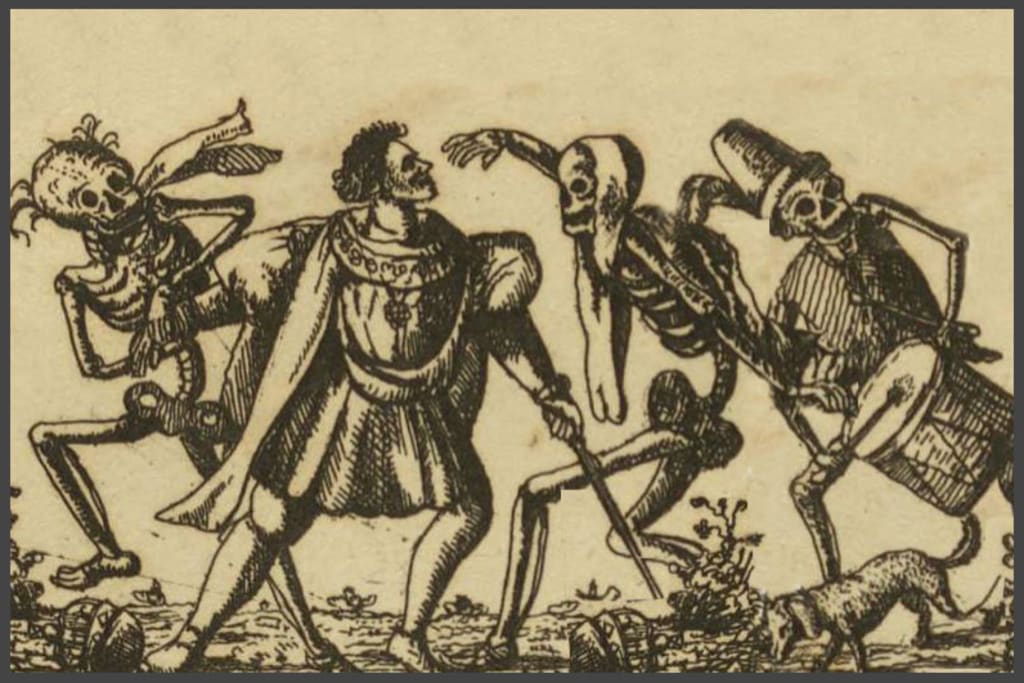
One warm summer’s afternoon on 14th July 1518, in the French region of Alsace, a lady by the name of Frau Troffea was on the cobbled streets outside of her home.
With no musical component to lead her way, Fran suddenly broke out into dance.
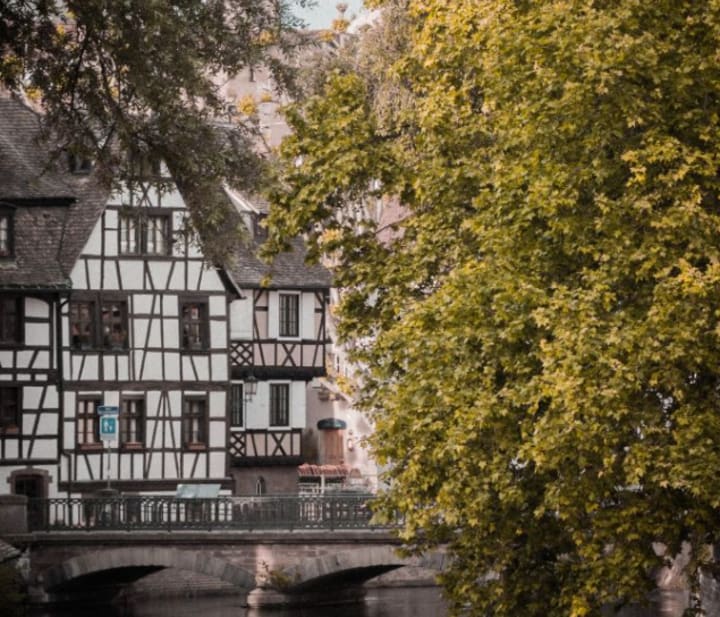
Witnesses who at first were bewildered to see the lady dancing for no reason in the street, were suddenly overcome with a sudden urge to dance along with her.
No matter how much they tried to stop dancing, the people simply could not prevent themselves from breaking free of what appeared to be a monomaniac hold.
Anyone that seemed to happen upon the small group suddenly found that they too came under the same curse and within days, what had started as a one-woman dance, had amassed over 30 individuals.
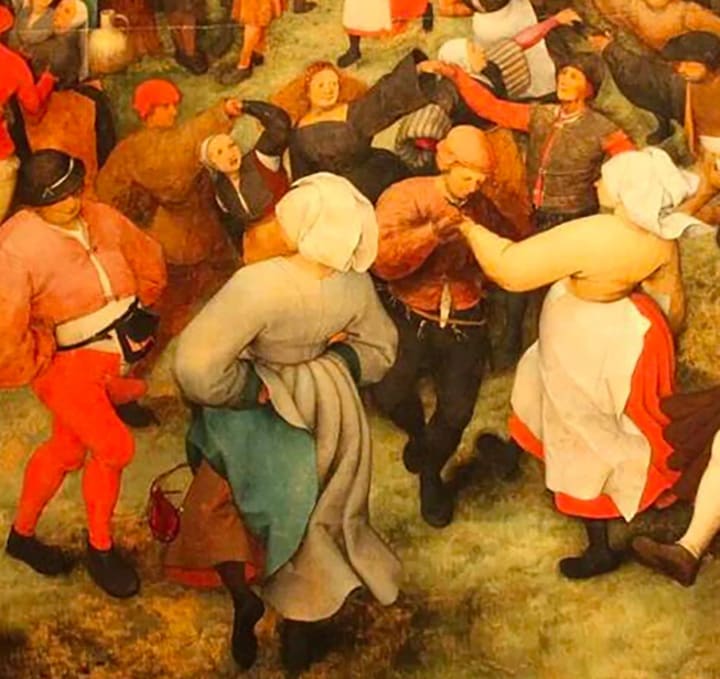
Hungry and exhausted, the people danced for days without stopping. Frau, the lady who had first begun to dance, kept up her constant jig for a full week until eventually collapsing from exhaustion.
However, after a brief break, she would resume her frenzied activity once more.
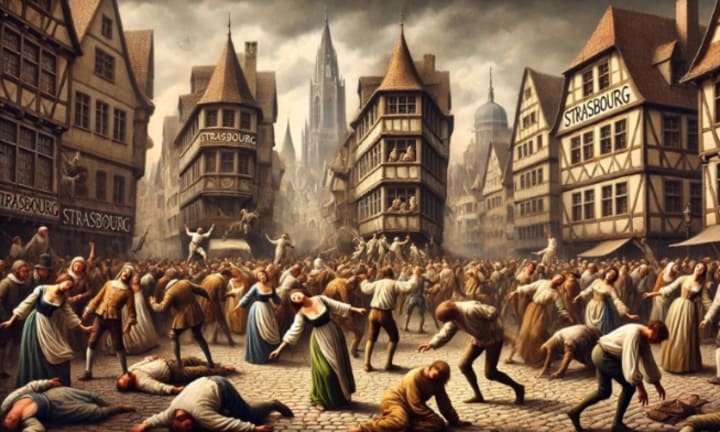
City authorities became alarmed by the increasing number of dancers and were baffled as to what the cause could be.
Religious leaders believed that the way to combat the disease was to dance even harder; even arranging for the dancers to be moved to guildhalls where they would be encouraged by professional dancers, along with live bands to provide music.
This only exacerbated the situation and by August of that year, the unknown phenomenon had affected more than 400 people and it was given the name “the dancing plague”.
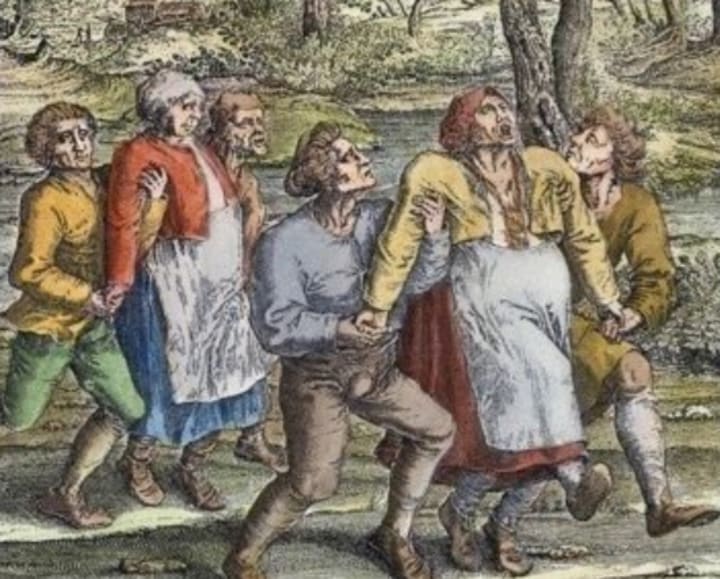
Victims of the dancing plague would even dance on through their injuries with it being noted that they would move with 'spasmodic' convulsions, thrashing their arms with a vacant expression. Though they were dripping with sweat, nothing and no one could snap them out of their dancing.
Many would bleed into their shoes which were struggling to contain their swollen feet. Despite their cries for help, they were helpless.
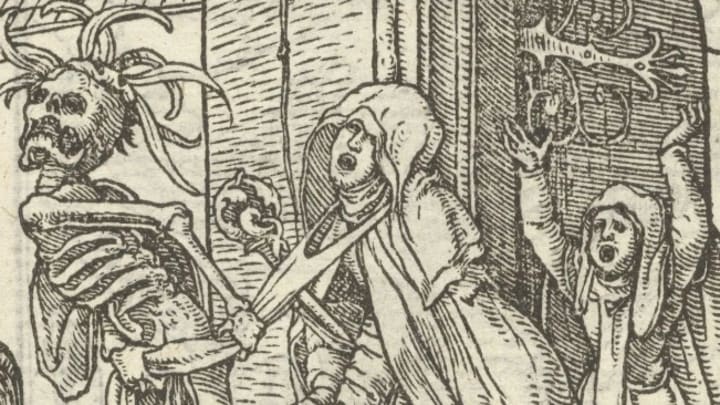
Before long, many began to succumb to the dancing plague as a result of strokes and heart attacks - their bodies only being relieved of the involuntary dancing, with death.
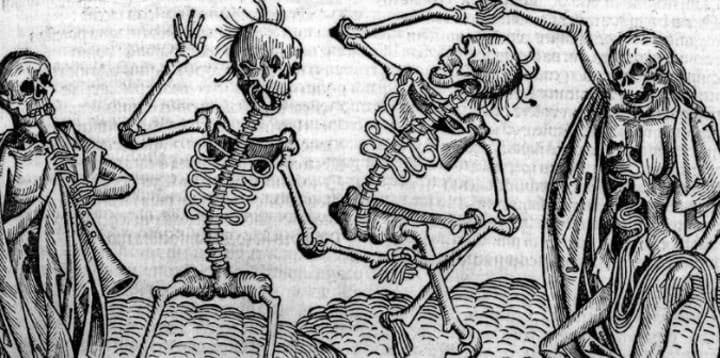
Eventually, around 15 people a day were starting to drop dead of hunger, thirst and exhaustion; but sadly, nobody knew how to remedy the situation.
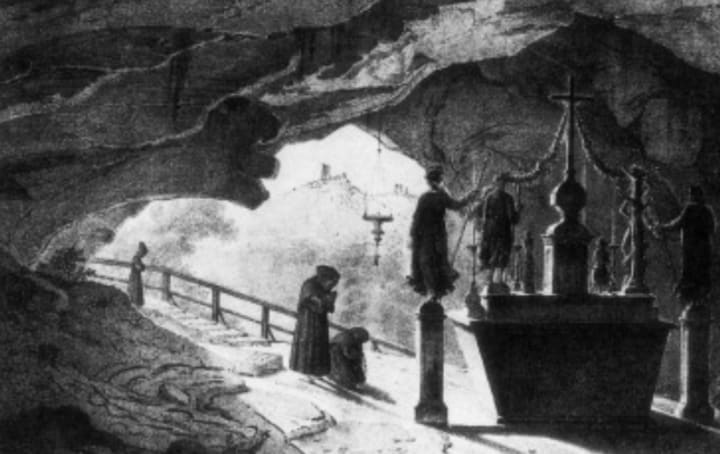
By September, it was determined that religion was the only way to combat the disease. Bizarrely, the phenomenon only began to subside when dancers were sent to a shrine dedicated to Saint Vitus along a mountain side where they were encouraged to pray for absolution.
Those seeking relief were ordered to put on red shoes that would be sprinkled with holy water and had crosses painted on the tops and heels. They were given small crosses to hold within their hands whilst they recited Latin incantations as part of the ritual.
Upon receiving ‘forgiveness’ by Vitus, the curse seemed to be broken and individuals found themselves free of the dancing.
Today, over 500 years after the dancing plague, it remains unconfirmed exactly how many fatalities came as a result or what was the cause.
It had been theorised in modern times, that the dancing plague had either been a result of food poisoning from a fungi in the rye used to bake bread or by toxic chemicals used in the water.
Other theories include stress induced mass-hysteria. At the time of the phenomenon occurring, living conditions of the Alsace period were incredibly poor. It is a belief that the victims may have experienced their sudden peculiar behaviour in relation to psychological stress.
About the Creator
Matesanz
I write about history, true crime and strange phenomenon from around the world, subscribe for updates! I post daily.
Dust
It was dust. Dust had weight there. It pressed into your mouth when you breathed, ground against your teeth, settled into the creases of your eyes. It coated our boots and crept into our weapons no matter how carefully we cleaned them. When the wind picked up, it hissed across the ground like something alive. Long before I heard a shot fired, I understood that the dust would get inside me and never really leave.
By Gaofeng Wang6 days ago in History
Ludacris and Nelly draw backlash over bookings at MAGA-coded music festival
Ludacris and Nelly headlining a mostly right-wing event is good for them. It’s also great for the genre of hip hop. The two rap veterans have showcased their talents on other stages. Why can’t they perform for mostly MAGA folks and grab that bag?
By Skyler Saunders3 days ago in Beat


Comments
There are no comments for this story
Be the first to respond and start the conversation.