
The Pharaoh of Moses: A Tale of Tyranny, Providence, and Divine Justice Across Faiths
just read

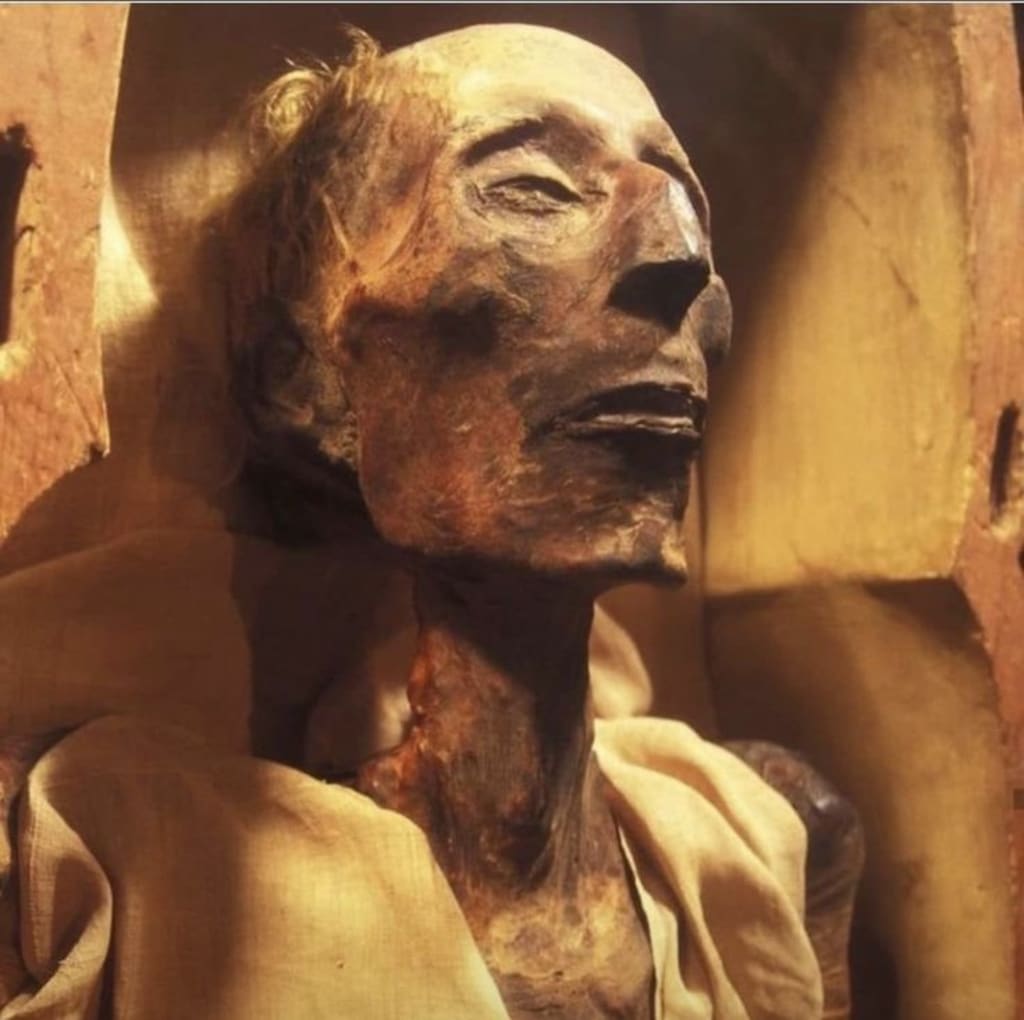
In the arid mists of antiquity, among the colossal obelisks and sandstone temples of ancient Egypt, rose a monarch cloaked in grandeur and consumed by dominion—the Pharaoh of Moses. His story, etched across the annals of Abrahamic scriptures, is not merely a chronicle of power but a parable of pride, providence, and the immutable hand of fate.
Genesis of a Despot: The Pharaoh’s Rise to Power
He emerged not from obscurity, but from the silken cradles of dynastic privilege. Nurtured by the Nile and tutored in the arts of war and arcana, this Pharaoh—though unnamed explicitly in sacred texts—was more than a sovereign; he was a deity in the eyes of his people. His word was law; his breath, life and death.
His reign was one of opulence marred by cruelty. Beneath his jeweled headdress pulsed a mind obsessed with eternity—erecting monuments to rival time itself, yet blind to the fleeting nature of mortality.
A Cradle in the River: The Adoption of Prophet Moses
Amid the tyranny of infanticide—when newborn Hebrew sons were sentenced to the abyss of the Nile—a fragile reed basket dared to defy imperial decree. Inside it lay Moses, a babe wrapped not in silk, but in destiny.
Drawn from the river by the Pharaoh’s own daughter—her name cloaked in mystery—Moses was cradled within the very palace that sought his demise. Irony sharpened by divine design. The child of slaves became the prince of stone and gold. The future prophet suckled not only on milk but on the duality of two worlds—Hebrew blood and Egyptian brocade.
A Clash of Will and Divinity: Moses Confronts the Throne
Years flowed like the Nile. The adopted son returned as a divine emissary, commanded by the ineffable voice of the Almighty. What followed was no mere dialogue—it was a tempest of miracles, plagues, and pleas. Moses, armed not with armies but with conviction, faced the Pharaoh who once called him son.
The monarch’s heart, described as “hardened,” resisted every celestial sign. Frogs leapt, rivers bled, locusts swarmed, and still, the throne stood obstinate—defiant against the Creator.
The Great Drowning: How Pharaoh Died in the Three Abrahamic Faiths
Judaism, Christianity, and Islam, though distinct in doctrine, converge upon the moment of reckoning. As the Red Sea opened like a colossal wound in the earth, the Hebrews passed through its path of miracle. Behind them thundered Pharaoh’s chariots, gilded wheels slicing through mud and hubris.
And then—collapse. Waters surged. Chariots splintered. Breath failed. The tyrant drowned not merely in sea but in the weight of his own arrogance.
In Judaism, his death is swift, a grim punctuation to an era of oppression. He is remembered as the embodiment of divine retribution.
Christian scriptures mirror this, portraying the drowning as a consequence of unrepentant pride, with Pharaoh symbolizing sin’s ultimate ruin.
In Islam, the narrative crescendos with both judgment and mercy. The Qur’an recounts how Pharaoh cried belief as the waters closed, but it was too late. “Now? When you had disobeyed before?” (Qur'an 10:91). His body was preserved as an eternal sign—decay-defiant, lesson-laden.
Eternal Echoes: Pharaoh as a Symbol Across Time
The Pharaoh of Moses is more than a man lost to history. He is a cipher of ego eclipsed by destiny. A cautionary effigy. Where obelisks have crumbled and dynasties dusted, his tale lingers—etched not in stone, but in the collective moral memory of humankind.
His grandeur was vanquished by humility; his sword by a shepherd’s staff. And in the end, even the mightiest sovereign could not outrun the tide of divine justice.
FAQs
Q1: Is the Pharaoh’s name mentioned in any religious text?
No. The scriptures remain silent on his proper name, emphasizing his actions and arrogance rather than his identity.
Q2: Did Pharaoh ever repent in any religion?
In Islam, he professed belief as he drowned, but it was deemed too late for sincere repentance. His body was preserved as a sign for future generations.
Q3: How old was Moses when he left Egypt?
Moses was approximately 80 years old when he returned to Egypt to confront Pharaoh, according to Biblical tradition.
Q4: Is there any archaeological evidence of this Pharaoh’s death?
No definitive evidence links a specific Pharaoh to the Exodus account, though theories abound—ranging from Ramses II to Merneptah.
Q5: Why is Pharaoh’s story significant today?
It serves as a timeless reminder: power without righteousness breeds ruin, and justice—though delayed—is inescapable.
About the Creator
Avatar
Legend lover
Author of Legends of the Past and Present The Skies and The Earth Testify
A dive into the world of mystery and imagination
Martin Luther King Jr.: The Voice of Peace and Justice
Martin Luther King Jr. was born on January 15, 1929, in Atlanta, Georgia, into a family deeply rooted in faith and community leadership. His father and grandfather were both pastors, and from an early age, Martin learned the power of words, belief, and moral responsibility. Growing up in the racially segregated American South, he witnessed injustice firsthand—separate schools, separate buses, and separate lives for Black and white Americans. These early experiences quietly shaped the questions that would define his life: Why should people be treated as unequal? And how could such injustice be peacefully undone?
By The best writer 5 days ago in History
Saudi Arabia Warns Against War
Saudi Arabia Warns Against War: Why Riyadh Opposes a U.S. Attack on Iran As tensions between the United States and Iran continue to rise, Saudi Arabia has taken a notable and cautious position: warning against any U.S. military attack on Iran. This stance may surprise some observers given the long history of rivalry between Riyadh and Tehran, but it reflects a broader regional concern that another major war in the Middle East could spiral beyond control.
By Wings of Time 4 days ago in History




Comments
There are no comments for this story
Be the first to respond and start the conversation.