
The Pain No One Sees: My Life with Fibromyalgia
The Pain No One Sees: My Life with Fibromyalgia

The Pain No One Sees: My Life with Fibromyalgia
The first time I collapsed at work, my boss rolled his eyes. “You’re too young to be this tired,” he said. What he didn’t see was the fire in my joints, the weight of anvils on my chest, or the fog swallowing my thoughts. I was 26, and my body had already declared war on me.
I woke up one morning feeling like I’d been hit by a truck. My muscles screamed, my head throbbed, and even the sunlight seeping through the blinds felt like a personal attack. Doctors dismissed it as stress. Friends joked, “You’re just getting old!” But the pain never left.

After months of tests, a rheumatologist diagnosed me with fibromyalgia—a condition where your nerves amplify ordinary sensations into agony. “It’s like your brain’s volume knob is stuck on max,” she explained. Relief flooded me—until I realized no one else could hear the noise.
“But you look fine!” became the anthem of my life. Coworkers side-eyed me when I left early. My partner grew impatient: “How can you be *this* tired?” Even my mother suggested yoga and kale smoothies, as if chronic pain were a mindset I could shake off like a bad dream.
The worst moments were the invisible ones: kneeling in the cereal aisle, paralyzed by fatigue, while shoppers stepped around me; listening to voicemails from friends calling me “flaky” as I lay in bed, tears soaking my pillow; the doctor who prescribed antidepressants and said, “It’s all in your head.”
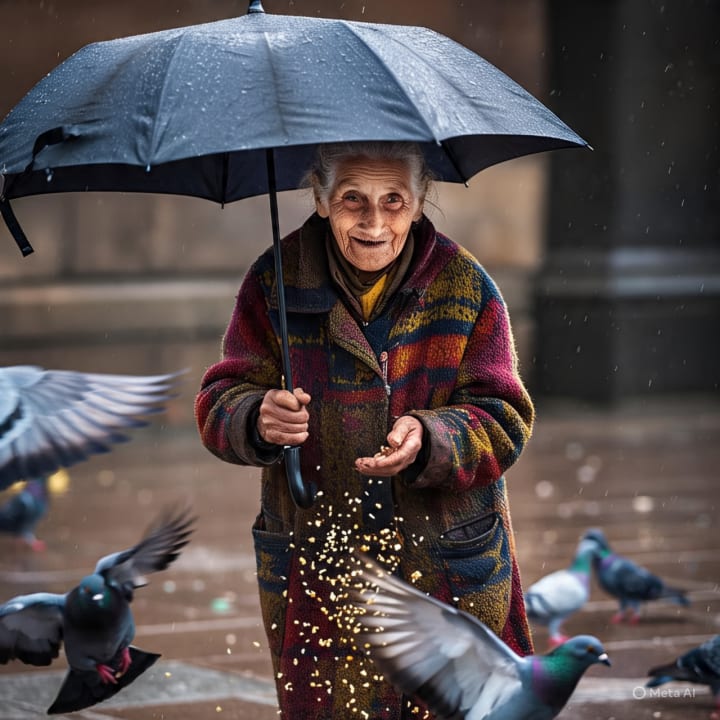
One night, I Googled “fibromyalgia + alone” and found a forum of strangers describing *my* life. Their stories mirrored mine: the guilt of canceling plans, the shame of “faking wellness,” the grief for the person they used to be. I wasn’t broken. I wasn’t lazy. I was sick.
I started therapy, not to “fix” myself but to mourn the life I’d lost. I learned to say, “I can’t today,” without apology. I traded high heels for compression socks and late nights for pacing strategies. Slowly, I built a life around my limits—not society’s expectations.
Three years later, I still have days where the pain wins. But I’ve also found pockets of joy: the friend who texts, “No pressure, but I’m bringing soup”; the weighted blanket that feels like a hug from the universe; the moment I realized my worth wasn’t tied to productivity.
Fibromyalgia stole my old self, but it gave me a superpower: empathy. Now, when someone says, “I’m tired,” I don’t ask why. I say, “Tell me how I can help.”
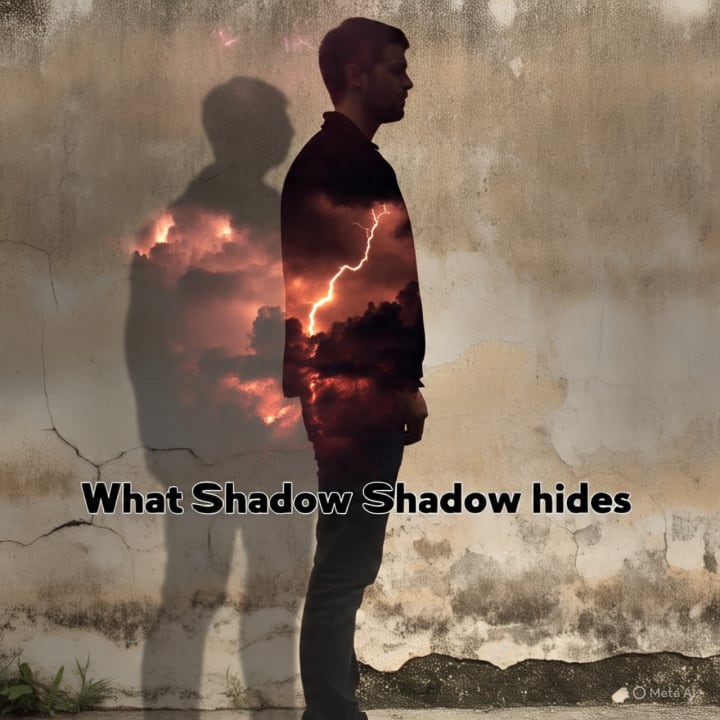
### **"The Pain No One Sees: My Life with Fibromyalgia"**
The first time I collapsed at work, my boss rolled his eyes. “You’re too young to be this tired,” he said. What he didn’t see was the fire in my joints, the weight of anvils on my chest, or the fog swallowing my thoughts. I was 26, and my body had already declared war on me.
I woke up one morning feeling like I’d been hit by a truck. My muscles screamed, my head throbbed, and even the sunlight seeping through the blinds felt like a personal attack. Doctors dismissed it as stress. Friends joked, “You’re just getting old!” But the pain never left.
After months of tests, a rheumatologist diagnosed me with fibromyalgia—a condition where your nerves amplify ordinary sensations into agony. “It’s like your brain’s volume knob is stuck on max,” she explained. Relief flooded me—until I realized no one else could hear the noise.
“But you look fine!” became the anthem of my life. Coworkers side-eyed me when I left early. My partner grew impatient: “How can you be *this* tired?” Even my mother suggested yoga and kale smoothies, as if chronic pain were a mindset I could shake off like a bad dream.
The worst moments were the invisible ones: kneeling in the cereal aisle, paralyzed by fatigue, while shoppers stepped around me; listening to voicemails from friends calling me “flaky” as I lay in bed, tears soaking my pillow; the doctor who prescribed antidepressants and said, “It’s all in your head.”
One night, I Googled “fibromyalgia + alone” and found a forum of strangers describing *my* life. Their stories mirrored mine: the guilt of canceling plans, the shame of “faking wellness,” the grief for the person they used to be. I wasn’t broken. I wasn’t lazy. I was sick.
I started therapy, not to “fix” myself but to mourn the life I’d lost. I learned to say, “I can’t today,” without apology. I traded high heels for compression socks and late nights for pacing strategies. Slowly, I built a life around my limits—not society’s expectations.
Three years later, I still have days where the pain wins. But I’ve also found pockets of joy: the friend who texts, “No pressure, but I’m bringing soup”; the weighted blanket that feels like a hug from the universe; the moment I realized my worth wasn’t tied to productivity.
Fibromyalgia stole my old self, but it gave me a superpower: empathy. Now, when someone says, “I’m tired,” I don’t ask why. I say, “Tell me how I can help.”
About the Creator
Keep reading
More stories from Hazrat Umar and writers in History and other communities.
The Night I Lost Everything Taught Me How to Live
The Night I Lost Everything Taught Me How to Live The city was a beast that night, its neon veins pulsing under a sky bruised purple with rain. I stood at the edge of my world—my apartment, my job, my carefully curated life—watching it unravel like a cheap sweater. The eviction notice was taped to my door, its stark black letters screaming failure. My job at the ad agency, the one I’d clawed my way into, had vanished in a single email: Budget cuts. We’re sorry. My savings? A pathetic $47.32, barely enough for a week’s groceries. That night, I lost everything—or so I thought.
By Hazrat Umar9 months ago in Lifehack
The Year 1945 in Review: Fun Facts, Trivia, and Historic Highlights
This quick read is a collection of fun facts, trivia, and historic events from the year 1945. Discover the year’s top news stories, most influential people, notable inventions, sports facts, the cost of living, entertainment trivia, and much more.
By Gregory DeVictor7 days ago in History


Comments
There are no comments for this story
Be the first to respond and start the conversation.