
The Night I Lost Everything Taught Me How to Live
The Night I Lost Everything Taught Me How to Live
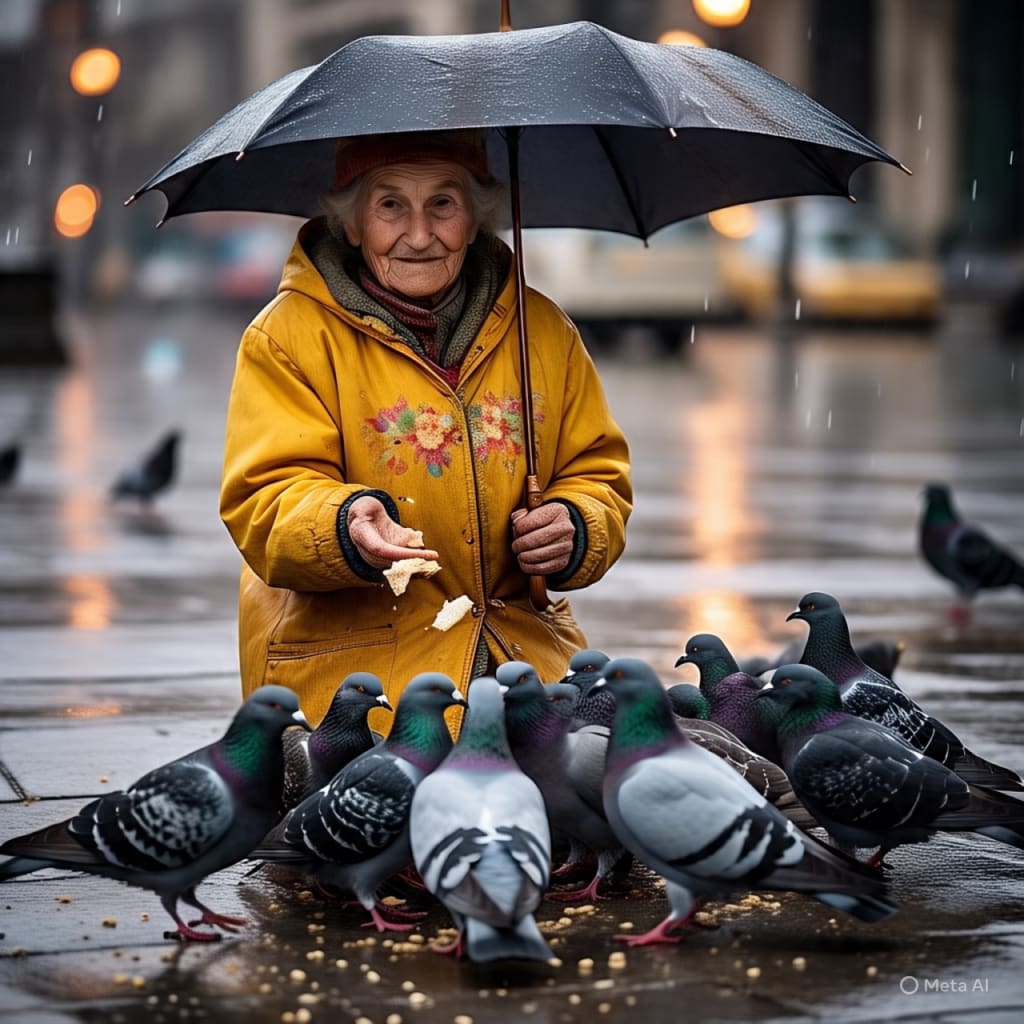
The Night I Lost Everything Taught Me How to Live
The city was a beast that night, its neon veins pulsing under a sky bruised purple with rain. I stood at the edge of my world—my apartment, my job, my carefully curated life—watching it unravel like a cheap sweater. The eviction notice was taped to my door, its stark black letters screaming failure. My job at the ad agency, the one I’d clawed my way into, had vanished in a single email: Budget cuts. We’re sorry. My savings? A pathetic $47.32, barely enough for a week’s groceries. That night, I lost everything—or so I thought.
I was 29, and my name was Lila Carter. I’d built my life like a house of cards, each one a shiny achievement: a corner office, a sleek wardrobe, a social media feed that screamed success. But when the wind came, it didn’t just blow—it obliterated. I packed a single duffel bag, my hands trembling as I stuffed in a few clothes, a cracked phone, and a dog-eared journal I hadn’t touched in years. The rest—furniture, books, the designer coffee maker I’d splurged on—stayed behind. The landlord could have it. I had nowhere to go.
The rain started as I stepped onto the street, a cold, relentless downpour that soaked me to the bone. I wandered, my sneakers squelching, until I found myself at the riverfront. The water churned, black and angry, reflecting the city’s jagged skyline. I sat on a bench, the duffel at my feet, and let the weight of it all crush me. I’d failed. Not just at keeping a job or a home, but at the whole damn game of life. I was nobody.
That’s when I saw her—an old woman, hunched under a tattered umbrella, feeding stale bread to a flock of pigeons. Her coat was threadbare, her shoes mismatched, but her eyes sparkled with a strange, quiet joy. She caught me staring and waved me over, her voice raspy but warm. “You look like you’re carrying the world, kid. Want some bread?”
I almost laughed. Bread? I needed a miracle. But something in her gaze—steady, unafraid—made me take the crust she offered. “What’s your story?” she asked, tossing crumbs to the birds. I didn’t know where to start, so I spilled it all: the job, the eviction, the crushing shame. She listened, nodding, not interrupting, just letting my words drown in the rain.
When I finished, she chuckled, a sound like gravel and honey. “You think you lost everything, but you’re still here, aren’t you? That’s something.” She told me her name was Mae, and she’d been homeless for a decade. Not because she had to be, but because she chose it. “I had a house once, a husband, a life like yours. Then it all burned—literally. Fire took it. I could’ve rebuilt, but I didn’t want to. I wanted to live.”
Her words stung. Live? I was barely surviving. But Mae kept talking, her voice weaving through the storm. She spoke of nights under bridges, of strangers who shared their last dollar, of sunrises that felt like promises. “You don’t need a roof to find home,” she said. “Home’s in you. In the stories you tell yourself. In the people you let in.”
I don’t know why, but I believed her. Maybe it was the rain washing away my defenses, or maybe it was the way she fed those pigeons like they were her kin. She pointed to my duffel. “What’s in there that you can’t let go of?” I opened it, pulling out the journal. It was from college, filled with half-written poems and dreams I’d abandoned for a paycheck. Mae grinned. “That’s your map. Start there.”
That night, I didn’t sleep in a bed. I found a shelter, a cot among strangers, their snores a strange lullaby. I opened the journal and wrote. Not about loss, but about the rain, the pigeons, Mae’s mismatched shoes. The words felt alive, like they were breathing for the first time in years. I wrote until dawn, until the shelter’s fluorescent lights flickered on and the world felt new.
The days that followed were hard. I took odd jobs—waitressing, dog-walking, anything to eat. But I kept writing. In coffee shops, on park benches, in the margins of my life. I posted my stories on Vocal.media, raw and unpolished, about the night I met Mae, about the city’s pulse, about the courage it takes to start over. People read them. They commented, shared, tipped a dollar here and there. It wasn’t much, but it was enough to keep going.
Months later, I had a tiny apartment, a used laptop, and a small but growing audience. I wasn’t rich, but I was alive—really alive. I’d lost the life I thought I wanted, but I’d found something better: purpose. Mae was right. Home wasn’t a place; it was the stories I told, the connections I made, the truth I dared to write.
I saw Mae again last week, still feeding pigeons by the river. I thanked her, tried to give her money, but she waved it off. “Keep writing, kid,” she said. “That’s how you live.” And so I do. Every word is a step, every story a home. The night I lost everything wasn’t the end—it was the beginning.
About the Creator
Keep reading
More stories from Hazrat Umar and writers in Lifehack and other communities.
I Deleted My Instagram at 2AM—and It Changed My Life in 7 Days
I Deleted My Instagram at 2AM—and It Changed My Life in 7 Days Day 1: The Silence Was Deafening It was 2:04 AM. My thumb hovered over the screen. I had done this before—hovered, sighed, closed the app. But this time, something in me cracked. Maybe it was the 17th bikini photo I scrolled past while eating leftover noodles in pajamas. Maybe it was the fact that my self-esteem now depended on people I hadn't seen since high school.
By Hazrat Umar7 months ago in Lifehack
Top Things to Do in North Potomac for Families
Known for its quiet neighborhoods and welcoming atmosphere, North Potomac appeals to families who value space, safety, and a strong sense of community. Whether you are new to the area or have lived here for years, there are plenty of activities that families can enjoy together.
By House Doctora day ago in Lifehack
The Burnout Generation: Why I’m Rejecting Hustle Culture for My Mental Health
I used to believe that grinding—24/7, no breaks, no excuses—was the only way to succeed. Coffee in one hand, deadlines in the other, my brain constantly buzzing, my chest tight, my mind refusing to rest.
By Anie Libanabout an hour ago in Lifehack


Comments
There are no comments for this story
Be the first to respond and start the conversation.