
The Origins and Evolution of Armistice Day: From World War I to Modern Observance
Commemorating the Sacrifices of Our Heroes: The Journey from Armistice Day to Veterans Day

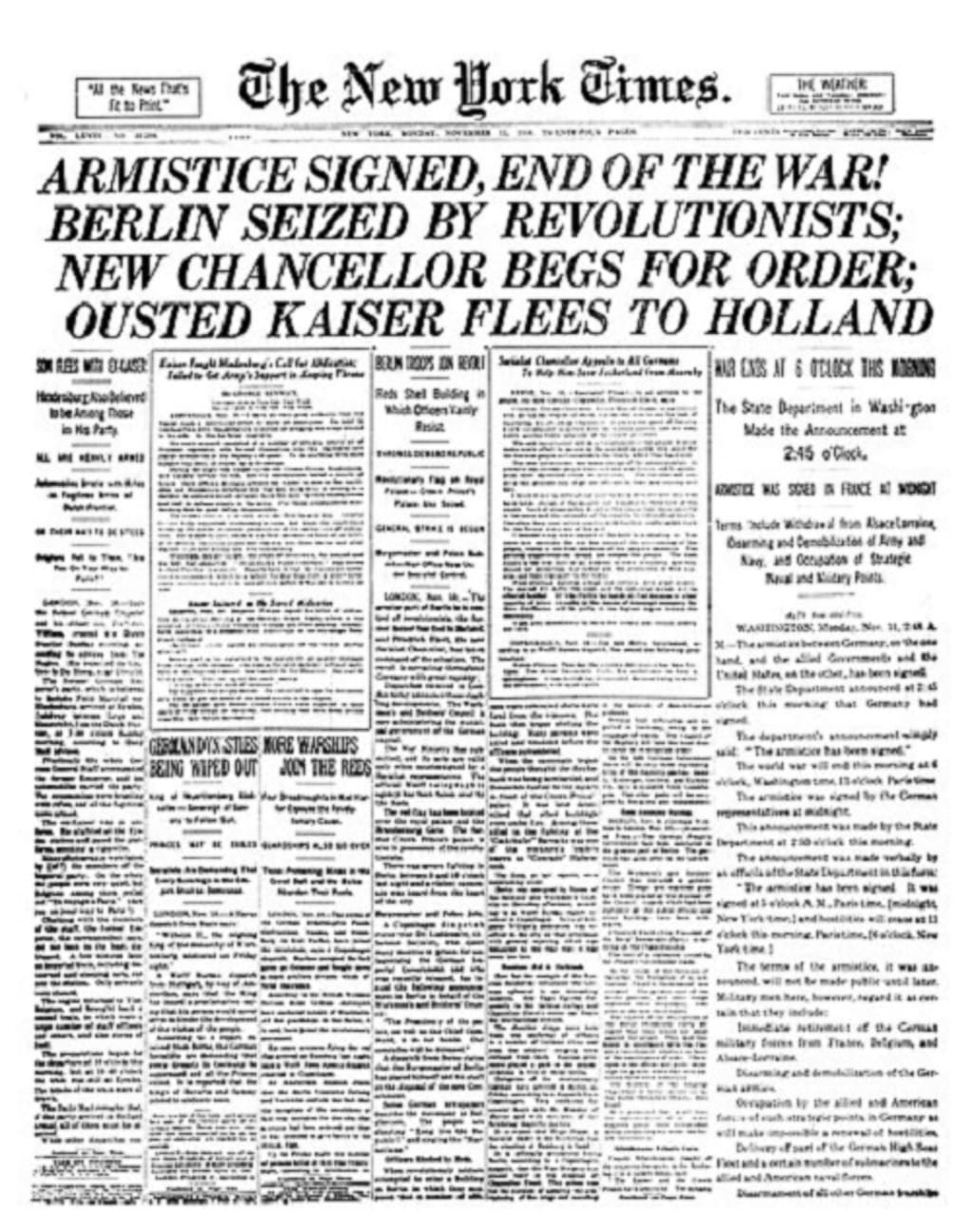
On November 11th, the world pauses to remember and honor those who have served and sacrificed in the name of peace and freedom. Known as Armistice Day, Remembrance Day, or Veterans Day, this significant date marks the armistice signed between the Allies of World War I and Germany, effectively ending the hostilities on the Western Front of the war. From its inception to modern times, the evolution of this day reflects the profound impact of World War I and the collective desire to commemorate the bravery and resilience of the armed forces.
Origins of Armistice Day
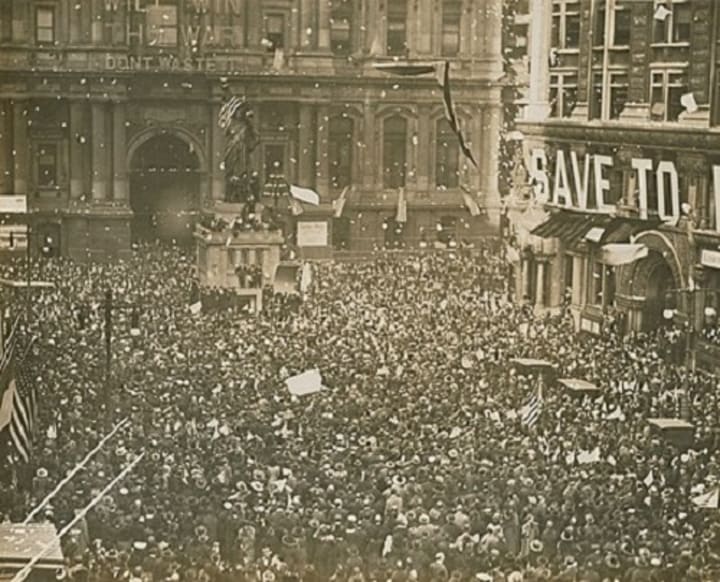
The genesis of Armistice Day traces back to November 11, 1918, when the armistice agreement between the Allied forces and Germany came into effect at the 11th hour of the 11th day of the 11th month. This armistice marked the cessation of hostilities and effectively brought an end to the brutal and protracted conflict that was World War I. The news of the armistice was met with widespread jubilation and relief across the world, as the Great War had claimed the lives of millions and left many more wounded and scarred.
In the aftermath of the war, there was a strong desire to honor the fallen and acknowledge the sacrifices made by those who served. In 1919, a year after the armistice, King George V of the United Kingdom declared November 11 as Armistice Day, a day of remembrance for those who had perished in the war. This sentiment was echoed in other Allied nations, and Armistice Day soon became a solemn occasion to honor the memory of the soldiers who fought and died in World War I.
Evolution and Transition to Remembrance Day and Veterans Day
As the years passed and the world experienced subsequent conflicts, the scope of Armistice Day expanded. The horrors of World War II and the Korean War, among other conflicts, led to an increasing recognition of the contributions and sacrifices of veterans from all wars. In many Commonwealth countries, including the United Kingdom, Canada, Australia, and New Zealand, November 11th evolved into Remembrance Day. This broader observance not only commemorated the end of World War I but also honored all military personnel who had served and sacrificed in various conflicts.
In the United States, the transition from Armistice Day to Veterans Day occurred in 1954. Recognizing the need to honor all American veterans, President Dwight D. Eisenhower signed legislation officially changing the name of the holiday to Veterans Day. This change reflected a more inclusive approach, acknowledging the service of veterans from all wars, not just World War I. Veterans Day thus became a day to pay tribute to all American military veterans, both living and deceased, for their contributions to the nation's security and freedom.
Modern Observance and Significance
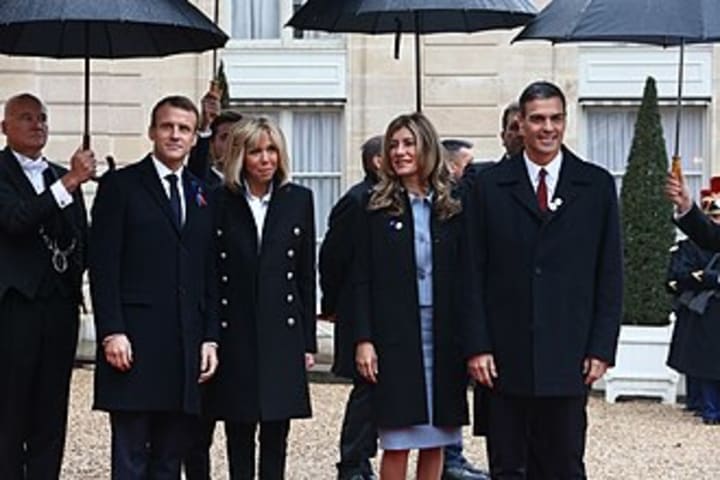
Today, November 11th is observed in various ways around the world, reflecting both its historical roots and its contemporary significance. In Commonwealth countries, Remembrance Day ceremonies often include moments of silence, the laying of wreaths, and the playing of the "Last Post" bugle call. These rituals serve as poignant reminders of the sacrifices made by military personnel and the enduring impact of war on individuals and societies.
In the United States, Veterans Day is marked by parades, ceremonies, and educational events that celebrate the service of American veterans. It is a day for citizens to express their gratitude to veterans and their families, recognizing the sacrifices they have made in defense of the nation. The National Veterans Day Ceremony held at Arlington National Cemetery is a focal point of the observance, featuring a wreath-laying at the Tomb of the Unknown Soldier and speeches by dignitaries.
In addition to formal ceremonies, November 11th inspires various personal and community remembrance forms. Many people wear poppies, a symbol of remembrance derived from the poem "In Flanders Fields" by John McCrae, to honor the memory of fallen soldiers. Schools and organizations often host events and activities to educate younger generations about the history and significance of the day.
Conclusion
The evolution of Armistice Day into Remembrance Day and Veterans Day underscores the enduring importance of honoring those who have served in the armed forces. From its origins in the aftermath of World War I to its modern observance, November 11th serves as a powerful reminder of the sacrifices made by military personnel in the pursuit of peace and freedom. As we reflect on the past and pay tribute to those who have served, we are reminded of the shared humanity and the collective responsibility to strive for a world where such sacrifices are no longer necessary.
About the Creator
Muhammah Hanzalah
Passionate about history and culture. Join me on Vocal Media for captivating insights into hidden historical gems and diverse cultural traditions. Let's explore the rich tapestry of our shared heritage and artistic expressions.
Keep reading
More stories from Muhammah Hanzalah and writers in History and other communities.
Archaeologists Reveal 3,000 Years of Secrets from Egypt’s Greatest Temple
In a groundbreaking discovery, archaeologists have unveiled new secrets hidden for nearly 3,000 years within Egypt’s most magnificent religious complexthe Temple of Karnak Temple. Long regarded as Egypt’s greatest temple, Karnak stands as a monumental testament to ancient Egyptian faith, power, and architectural brilliance. The latest excavations have revealed hidden chambers, rare inscriptions, and artifacts that are reshaping scholars’ understanding of ancient Egyptian civilization.
By Muhammah Hanzalah20 days ago in History


Comments
There are no comments for this story
Be the first to respond and start the conversation.