
The Night the Statue of Liberty Almost Sank
A forgotten 1885 crisis that nearly robbed America of its most famous icon

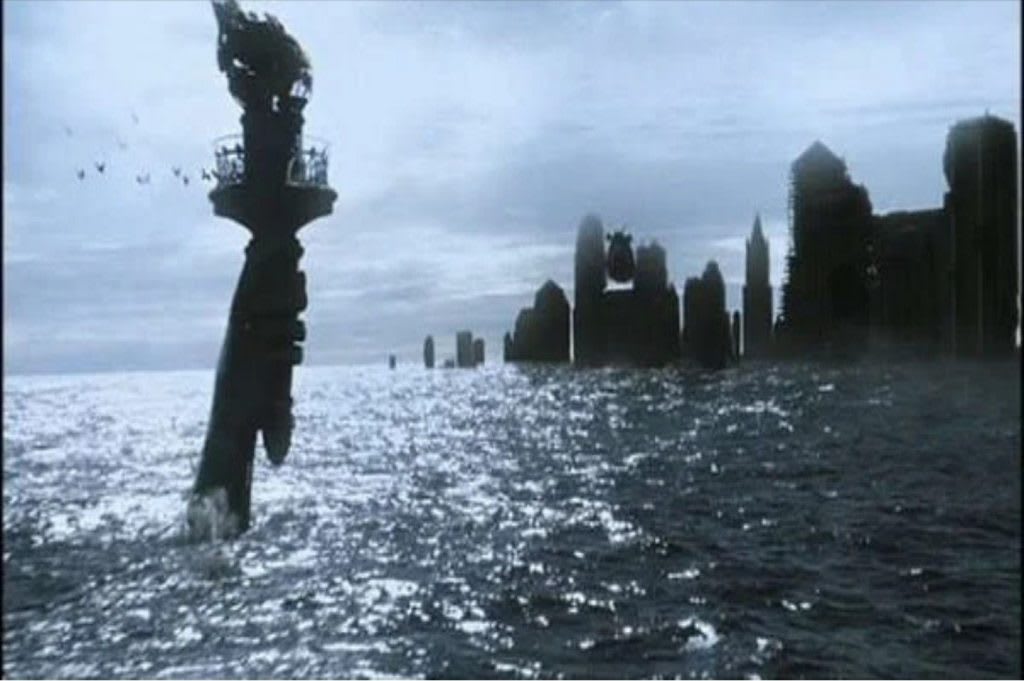
When people picture the Statue of Liberty, they imagine fireworks, tourists with selfie sticks, or that triumphant scene in every New‑York‑based movie. What they rarely picture is a French steamship fighting for its life in the middle of the Atlantic, its cargo hold sloshing with seawater, and 214 giant copper pieces groaning like a wounded whale.
Yet that is exactly how Lady Liberty’s journey to America almost ended—at the bottom of the ocean, long before she ever lifted her torch.
In 1884, French sculptor Frédéric‑Auguste Bartholdi finally completed Liberty Enlightening the World. She stood proudly along the Seine—then engineers methodically dismantled her into 350 sections and packed them into more than 200 crates, each carefully numbered like an enormous three‑dimensional jigsaw puzzle.
The plan seemed simple: load the crates onto a sturdy French warship, the Isère, sail to New York, and reassemble the statue on Bedloe’s Island. But as any sailor will tell you, technology bends to weather, and the Atlantic is a notorious critic.
On June 3, 1885, the Isère left the port of Rouen, the giant crates lashed to her decks and stacked in her hold. Two days later she entered waters so choppy that even hardened sailors whispered prayers. For nearly a week, the steamship fought gale‑force winds. Waves cracked over her bow and hammered the copper crates tied on deck, threatening to rip them loose.
Below, in the cramped engine room, firemen shoveled coal to keep steam pressure high. The captain, Paul de Saune, refused to turn back; he knew that every French newspaper was following the mission. “If Liberty fails,” he allegedly told his first officer, “so does France’s honor.”
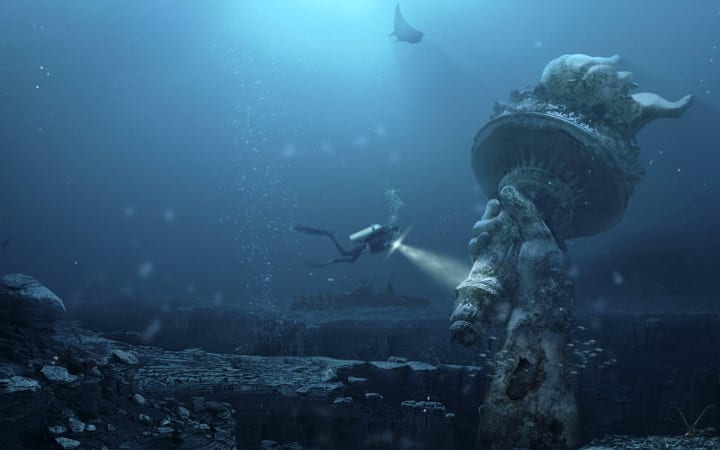
The turning point came the night of June 10. A rogue wave smashed through a ventilator hatch, flooding the lower hold. Saltwater hissed against hot boilers and poured around the very crates containing Liberty’s copper skin. Sailors scrambled with hand pumps, forming a bucket brigade in ankle‑deep water. For twelve hours they fought the flood. Had the boilers drowned, the Isère would have lost power and likely capsized.
By dawn the storm relented. The exhausted crew discovered they had saved the engines—but half the food stores and most of the fresh water were ruined. In the logbook, the chief engineer wrote one line in pencil: “La Liberté est encore vivante”—Liberty is still alive.
On June 17, a battered but triumphant Isère reached Sandy Hook. Word of the storm had spread via trans‑Atlantic telegraph; when the ship entered New York Harbor, whistles blew and tens of thousands lined the Battery to cheer. Small craft surrounded the steamer, their passengers waving French flags.
Reporters weren’t interested in damage tallies—they wanted drama. One journalist from the New‑York Tribune described the crates as “wooden coffins from which a giantess would soon resurrect.” Overnight, Liberty transformed from a diplomatic gift into a survivor’s tale, and America fell in love before she was even unpacked.
So how did such a cinematic episode slip out of popular memory?
- No catchy name. The 1885 storm lacked the branding of later hurricanes like Sandy or Katrina.
- Bigger headlines. Within weeks, the nation fixated on the Chicago Board of Trade fire and the presidential race between Cleveland and Blaine.
- History prefers success. Once Liberty rose on her pedestal in 1886, the narrative crystallized: gift received, statue erected, applause. The messy mid‑ocean struggle didn’t fit the celebratory mood.
Had the Isère sunk, France could not have afforded to cast a replacement. Congress, already lukewarm on footing the pedestal’s bill, might have abandoned the project altogether. Bedloe’s Island could have remained a garrison fort, and America’s most recognizable symbol today might have been—well, nothing at all.
Ironically, those storm‑soaked copper plates, once on the brink of becoming sea junk, are the same pieces tourists gaze at when they step inside the statue’s crown. They bear faint hammer marks and, if you know where to look, small salt‑bleached discolorations—a cryptic signature of the Atlantic that almost claimed them.
History often hinges on unheralded heroics: anonymous sailors working pumps in pitch darkness, a captain too stubborn to quit, and a steam engine kept alive by blistered hands. The next time you look at Lady Liberty’s calm posture, remember that beneath her green patina lies the memory of a night when waves, not politics, decided the fate of a monument—and lost.
Sometimes the greatest stories are the ones the ocean tried to swallow.
About the Creator
Mohammad Ashique
Curious mind. Creative writer. I share stories on trends, lifestyle, and culture — aiming to inform, inspire, or entertain. Let’s explore the world, one word at a time.
Keep reading
More stories from Mohammad Ashique and writers in History and other communities.
The Year 1963 in Review: Facts, Trivia, and Historic Highlights
This quick read is a collection of fun facts, trivia, and historical events from the year 1963. Discover the year’s top news stories, most influential people, sports facts, grocery and other retail prices, entertainment trivia, and much more.
By Gregory DeVictor4 days ago in History


Comments
There are no comments for this story
Be the first to respond and start the conversation.