
The Mystery of the Tombs of the Pharaohs: A Timeless Enigma
The Mystery of the Tombs of the Pharaohs: A Timeless Enigma

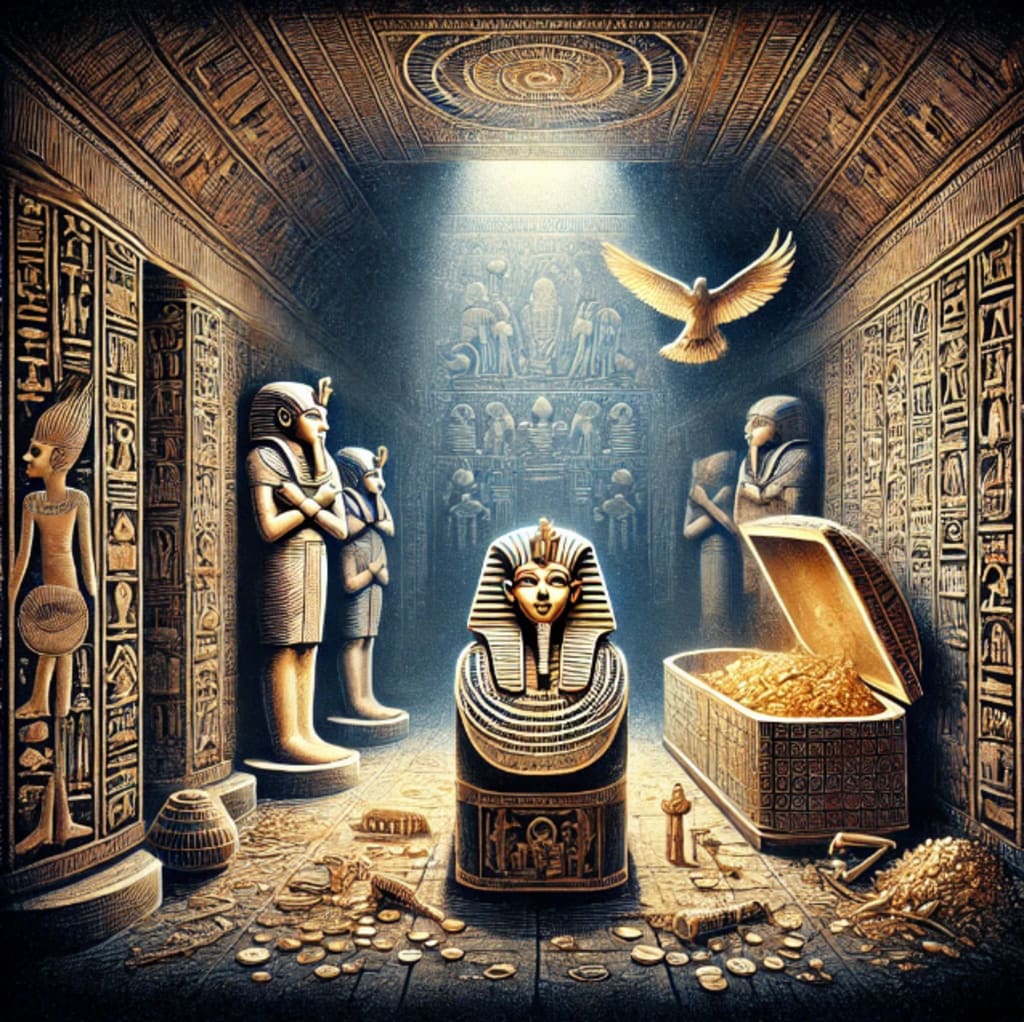
The tombs of the Pharaohs are among the most fascinating archaeological wonders of the ancient world. These burial chambers, built thousands of years ago, continue to captivate historians, archaeologists, and adventurers alike. From their intricate designs to the secrets they guard, the tombs of Egypt's ancient kings offer a glimpse into a civilization that was ahead of its time. However, these tombs are not just historical monuments; they are surrounded by a veil of mystery, danger, and legend. This article delves into the enigmatic world of the Pharaohs' tombs and explores why access to these ancient burial sites is often restricted.
The Allure of the Pharaohs’ Tombs
Egyptian tombs, particularly those in the Valley of the Kings, were constructed to ensure the safe passage of the Pharaohs into the afterlife. These tombs were filled with treasures, artifacts, and sacred texts that would guide the deceased ruler in the next world. The walls of these tombs are adorned with hieroglyphs and paintings that depict scenes of daily life, religious rituals, and the journey to the afterlife.
The most famous of these tombs is that of Pharaoh Tutankhamun, discovered by Howard Carter in 1922. The nearly intact tomb revealed a wealth of treasures, including the iconic golden death mask, and reignited global interest in ancient Egypt. The discovery also sparked widespread curiosity about the secrets hidden within these burial sites.
Why Are People Forbidden to Enter the Tombs?
1. Preservtion of History
One of the primary reasons for restricting access to the Pharaohs' tombs is to preserve their delicate interiors. The materials used in the tombs, including limestone and pigments for the wall paintings, are highly sensitive to environmental changes. The presence of visitors introduces moisture, carbon dioxide, and other contaminants that can accelerate the degradation of these ancient structures.
For example, the tomb of Tutankhamun suffered significant damage from the influx of tourists after its discovery. Microbial growth, fueled by humidity and temperature changes, threatened the preservation of the priceless wall paintings. To combat this, many tombs have been closed to the public, and replicas have been created for educational and tourism purposes.
2. Protection Against Looting
Throughout history, the tombs of the Pharaohs have been prime targets for looters seeking valuable treasures. Despite the elaborate measures taken by ancient Egyptians to protect these sites, such as hidden entrances and intricate mazes, many tombs were raided shortly after their completion.
To prevent modern-day theft and vandalism, strict regulations have been implemented. Access to these tombs is often limited to authorized personnel, including archaeologists and conservationists, who work to protect and study these sites.
3. Cultural and Religious Respect
The tombs of the Pharaohs are not just archaeological sites; they are sacred spaces. In ancient Egyptian culture, these tombs were believed to house the spirits of the deceased, who required a peaceful resting place to journey through the afterlife. Disturbing these tombs is seen by many as a violation of cultural and religious traditions.
4. The Curse of the Pharaohs
One of the most enduring legends surrounding the tombs of the Pharaohs is the so-called "Curse of the Pharaohs." According to this belief, those who disturb the resting places of the ancient kings will be plagued by misfortune or even death. While there is no scientific evidence to support the existence of such curses, several mysterious incidents have fueled the legend.
For instance, after the discovery of Tutankhamun's tomb, several members of the expedition reportedly died under unusual circumstances. Lord Carnarvon, who financed the excavation, succumbed to an infected mosquito bite shortly after entering the tomb. Although many of these incidents can be explained by natural causes, the legend of the curse continues to add an aura of mystery to the tombs.
5. Safety Concerns
Exploring ancient tombs can be physically hazardous. Narrow tunnels, unstable structures, and limited oxygen levels pose significant risks to visitors. In addition, the presence of harmful substances, such as mold and ancient bacteria, can pose health threats. To ensure the safety of both the tombs and potential visitors, access is heavily restricted.
Modern Efforts to Study and Preserve the Tombs
Despite the restrictions, modern technology has enabled researchers to study the tombs without causing damage. Techniques such as 3D scanning, ground-penetrating radar, and non-invasive imaging have revealed hidden chambers and provided new insights into ancient Egyptian burial practices.
For example, in recent years, researchers have used radar technology to explore the possibility of undiscovered chambers in Tutankhamun's tomb. These efforts aim to uncover more secrets while preserving the integrity of the site.
The Legacy of the Pharaohs' Tombs
The tombs of the haraohs are more than just burial sites; they are time capsules that offer a window into a civilization that continues to influence art, architecture, and culture. These tombs remind us of the ingenuity and spiritual beliefs of the ancient Egyptians, who built structures to withstand the test of time.
However, the mystery of these tombs also serves as a cautionary tale about the importance of preserving cultural heritage. As modern technology allows us to explore these sites in greater detail, it is crucial to balance discovery with conservation.
Conclusion
The tombs of the Pharaohs remain one of the greatest enigmas of the ancient world. From their intricate designs to the legends of curses, these burial sites continue to captivate our imagination. While restrictions on access may seem frustrating to some, they are essential for protecting these treasures for future generations. The mystery of the Pharaohs’ tombs reminds us of the enduring allure of ancient Egypt and the need to safeguard its legacy.
By respecting the sanctity of these sites and embracing advanced preservation methods, we can ensure that the story of the Pharaohs continues to inspire awe and wonder for centuries to come.
About the Creator
Keep reading
More stories from mariam elghazaly and writers in History and other communities.
Area 51: Unraveling the Mystery Behind America’s Most Secretive Facility
Area 51, a highly classified U.S. Air Force facility located in the Nevada desert, has captured the imagination of conspiracy theorists, UFO enthusiasts, and curious minds for decades. Officially part of the Nevada Test and Training Range, Area 51 is surrounded by a shroud of secrecy that has fueled countless rumors about alien technology, secret military experiments, and government cover-ups.
By mariam elghazalyabout a year ago in History
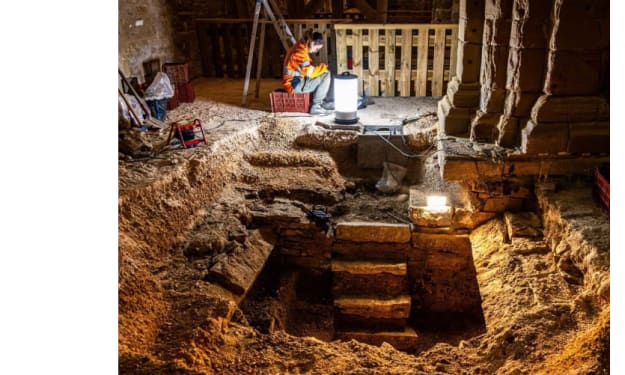
A secret staircase found beneath a 1,500-year-old French church
A subterranean staircase and burial strata dating back approximately 1,500 years were discovered during a project inside the Church of Saint Philibert in Dijon, France. The stairs were discovered by restoration workers inside the church when repairs were being made, and the excavation soon ensued.
By Francis Dami4 days ago in History
Martin Luther King's 'I Have a Dream' Speech: Things People Still Don't Know
Former President Ronald Reagan declared the third Monday in January to be Martin Luther King Jr. Day to celebrate the slain civil rights activist. Had he lived, he would be celebrating his birthday at age 97 on January 15, 2026, but he was assassinated at the young age of 39 on April 4, 1968.
By Margaret Minnicksa day ago in History



Comments
There are no comments for this story
Be the first to respond and start the conversation.