
The Lost Dinar
In the bustling city of Baghdad, during the Golden Age of Islam, there lived a humble merchant named Umar.
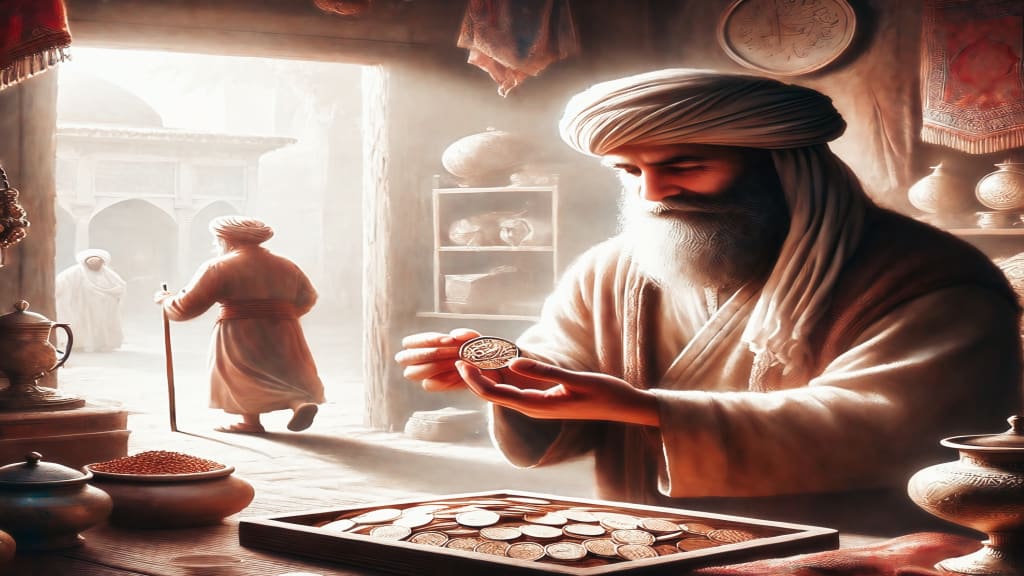
In the bustling city of Baghdad, during the Golden Age of Islam, there lived a humble merchant named Umar. Though his shop was small, his honesty and kindness made him beloved by all. He never cheated his customers, always weighed goods fairly, and treated both rich and poor with equal respect. People trusted him because they knew he feared Allah and followed the teachings of the Prophet Muhammad (ﷺ).
One evening, as Umar was closing his shop, he noticed a single gold dinar lying on the ground near his counter. He picked it up and examined it closely. It was slightly worn, with a small scratch near its edge. Umar looked around, but the street was empty, and there was no sign of who might have dropped it.
Holding the dinar in his hand, he thought, This is not mine. Someone must have lost it, and they will surely be worried. He could have easily kept it for himself—no one would have known—but his heart would not allow him. He had been raised to be honest, and he feared standing before Allah on the Day of Judgment with even a single dishonest act.
Instead of keeping the coin, Umar placed a sign outside his shop that read:
"A gold dinar has been found. If you have lost one, come and describe it."
Days passed, and many people came to claim the dinar, but none could describe it accurately. Some tried to guess, others lied, hoping to get their hands on the coin, but Umar remained patient. He prayed that Allah would guide the rightful owner to him.
One afternoon, a poor old blind man entered Umar’s shop, his hands trembling with age. A young boy led him by the hand. "My son," the old man said, "I heard about your announcement. I lost a gold dinar on this street last week. It was the only money I had left, and it had a small scratch near the edge."
Umar's heart filled with joy. He took out the dinar, examined it, and saw the very scratch the old man had described. Without hesitation, he placed the coin in the old man's hand.
Tears welled up in the old man's eyes. "May Allah bless you, my son," he whispered. "I had saved this dinar for my grandson’s medicine. When I lost it, I felt hopeless. But Allah is truly merciful, and He guided me to you."
Umar smiled, feeling a deep sense of peace in his heart. That night, as he prayed, he reflected on the Prophet Muhammad’s (ﷺ) words:
"Whoever does not cheat, is not deceived."
He understood that true wealth was not in gold but in faith and honesty. If he had kept the dinar, he would have gained temporary wealth but lost his integrity. Instead, he had earned something far more valuable—the pleasure of Allah and the heartfelt prayers of an old man.
As time passed, Umar's reputation as an honest man spread across Baghdad. More people came to his shop, not only to buy goods but also to seek his advice. His business flourished, not because he sought wealth, but because he remained truthful and just.
One day, a wealthy merchant visited Umar’s shop. "I have heard of your honesty," the merchant said. "I am looking for someone trustworthy to manage my trade routes. Would you be interested?"
Umar was astonished. It was an opportunity beyond anything he had imagined. He accepted the offer, and soon his life changed for the better. But no matter how successful he became, he never forgot the lesson of the lost dinar: honesty brings true success.
And so, Umar continued to live his life in righteousness, knowing that the real reward was with Allah.
About the Creator
Keep reading
More stories from S M Shahriar and writers in History and other communities.
The Merchant and the Mysterious Beggar
In the bustling city of Baghdad, during the golden age of Islam, there lived a wealthy merchant named Hassan. He was known for his vast trade empire, fine silks, and rare spices, but his heart was burdened with arrogance. Though he prayed and gave charity, he did so more for recognition than out of sincerity.
By S M Shahriar10 months ago in History
El Chapo
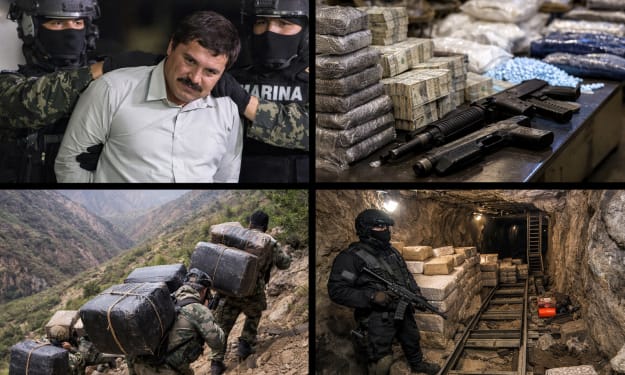
Joaquín “El Chapo” Guzmán and the Sinaloa Cartel Joaquín Archivaldo Guzmán Loera, widely known by his nickname “El Chapo,” is one of the most infamous figures in the history of organized crime. He rose from extreme poverty in rural Mexico to become the leader of the Sinaloa Cartel, an organization that for decades played a central role in international drug trafficking. The story of El Chapo and the Sinaloa Cartel reflects broader issues such as corruption, inequality, weak institutions, and the global demand for illegal drugs.
By jhony aour3 days ago in History
The Surgeon Who Restored Dignity
The sixteenth century was a time of profound transition in Europe’s medical history. Anatomy, surgery, and the scientific study of the human body were gaining momentum, yet the restoration of the human face remained an almost impossible dream. In this fragile balance between tradition and innovation, an Italian physician and surgeon named Gaspare Tagliacozzi (1546–1599) emerged as a pioneer. His groundbreaking method of reconstructing the nose was not only centuries ahead of its time but also laid the foundation for what we now call modern plastic surgery.
By Salman Writes2 days ago in History
The Path to Salvation
The late autumn evening air filled the monk's lungs, but it wasn't the season that chilled his bones. The heavy-handed presence of evil he had sensed upon entering the woods surrounding this mountain village had not bothered to conceal itself from him.
By Made in DNA6 days ago in Fiction


Comments (1)
Great story! Great job!