
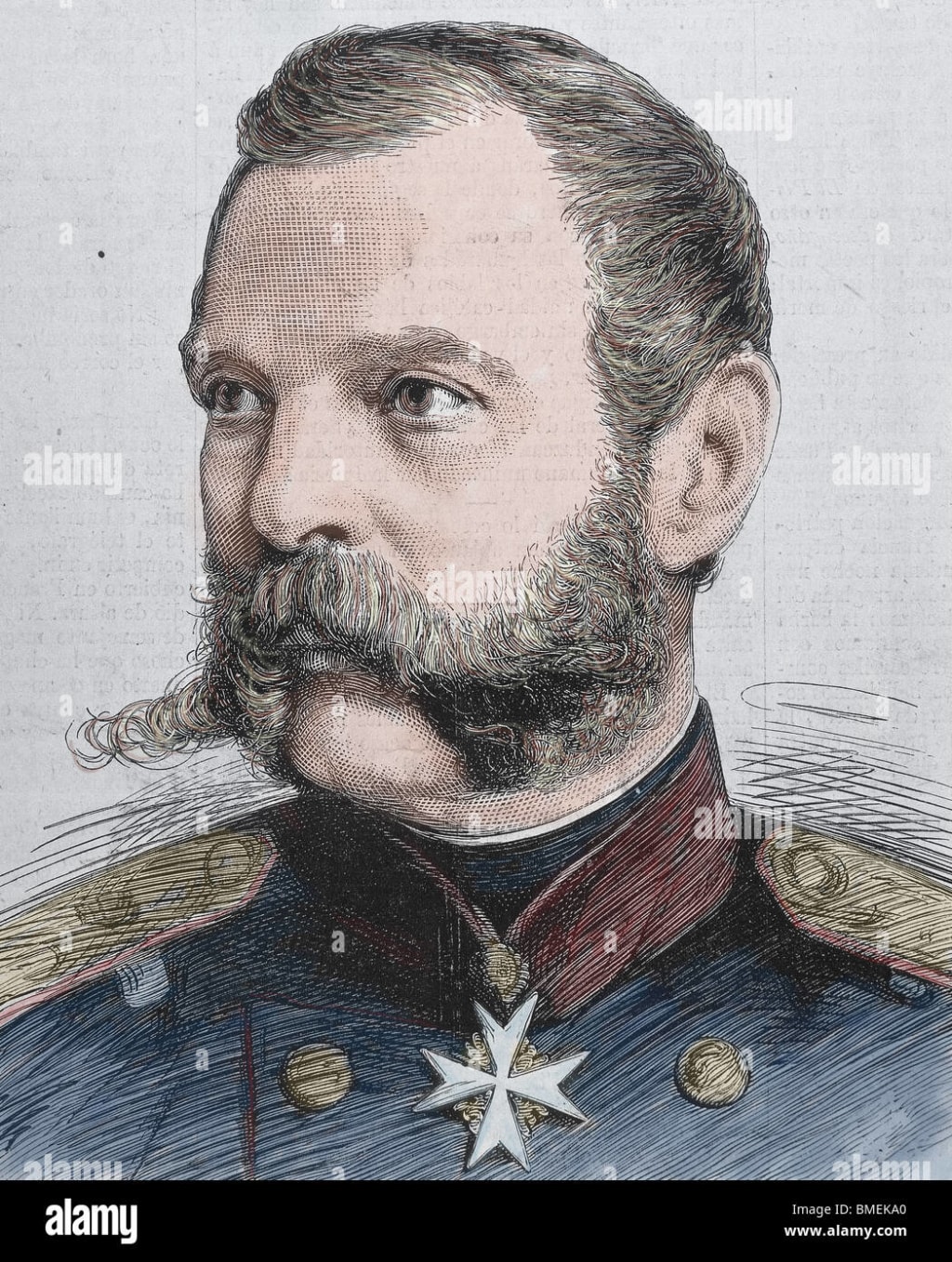
In the forgotten sands of the eastern deserts, where the stars burn low and the wind carries ancient songs, there lived a mysterious warrior-philosopher named Alak Jandar. Born under a blood moon in the village of Kharan, Alak was said to have spoken his first words before he could walk, and those words were not cries—but questions.
From a young age, Alak showed both unmatched intellect and incredible agility. Trained by wandering mystics and old warriors, he mastered the arts of battle and wisdom alike. By the age of 16, he was already leading desert tribes against corrupt kings who taxed the poor and silenced the wise.
But Alak was not just a fighter—he was a seeker of truth. He traveled far beyond the known maps: through hidden mountain paths, across poisoned rivers, and into forgotten cities buried beneath centuries of sand. In each place, he gathered knowledge, allies, and relics of lost civilizations.
Legends say he wore a cloak made from the feathers of a mythical hawk, and his eyes glowed when he spoke of justice. Some say Alak Jandar never died—he simply vanished into a blinding storm one evening, whispering, “I go where truth is needed.”After uniting the desert tribes and disappearing for many moons, Alak Jandar was seen again—riding a black stallion across the dunes, headed toward the Whispering Wastes, a cursed stretch of desert where travelers vanished without a trace. Some believed it to be haunted; others said a forgotten city slept beneath the sand, guarded by shadows and ancient traps.
Guided by a map carved into obsidian—given to him by a blind oracle—Alak entered the wastes under a new moon. For days he walked alone, relying on the stars and the hum of the earth to find his way. The desert tested his strength with illusions, thirst, and monstrous beasts conjured by the heat. But Alak pressed on.
At the heart of the wasteland, he found it—Karsheth, the buried city of the First Scholars. Its towers lay collapsed, its gates buried, but beneath the dunes, tunnels still led to chambers lit by a pale blue glow. The city pulsed with old magic. Whispering voices echoed through the halls, not with malice, but with forgotten wisdom.
In the central chamber, Alak found the Eye of Kael—a crystal said to hold the memory of the world. As his fingers brushed it, time rippled. He saw visions: empires rising and falling, a dark army marching across continents, and a silver-cloaked figure calling his name.
The Eye showed him his purpose wasn't just to fight injustice—but to prepare the world for what was coming.
He emerged from Karsheth days later, quiet, his eyes sharper than ever, his voice laced with new power. The desert tribes knelt before him—not just as a warrior or a leader, but as a prophet of the storm to come.Years passed, and the world began to shift. Kingdoms crumbled under their own greed, whispers of rebellion spread like fire, and in the distant north, a shadow rose—the Ashen Throne, ruled by a faceless emperor who commanded an army of soulless warriors, known only as the Hollow Legion.
Alak Jandar knew this was what the Eye of Kael had shown him. The prophecy was unfolding.
He summoned the tribes of the east, the mystics of the high cliffs, the river-people of the south, and the forgotten warriors of the forest. His words were like flame—igniting courage in the hearts of thousands. His army did not fight for land, nor gold—but for truth, memory, and the freedom of all people.
The final battle took place in the Vale of Winds, where time itself was said to pause. As the Hollow Legion descended, the skies darkened. Thunder cracked. Alak, wearing the cloak of the mythical hawk and holding the Staff of Echoes—crafted from the heart of a fallen star—stood at the front line.
The battle was brutal. Fire met shadow, steel met silence. But when all seemed lost, Alak raised the Eye of Kael to the heavens. It burst into radiant light, shattering the illusion of the Hollow Legion and revealing their true forms—men and women enslaved by fear and lies.
With a final cry—“Let truth be seen!”—Alak drove the staff into the earth. A wave of light swept across the battlefield. The Hollow were freed, the faceless emperor unmasked and turned to dust.
But Alak was gone.
Some say he became one with the light, watching over the world from beyond. Others believe he walks among the people, hidden in plain sight, waiting for the next storm to rise.
To this day, across lands old and new, people whisper:
"Where truth falters, Alak Jandar shall return."
About the Creator
Keep reading
More stories from Sadman ali Abid and writers in History and other communities.
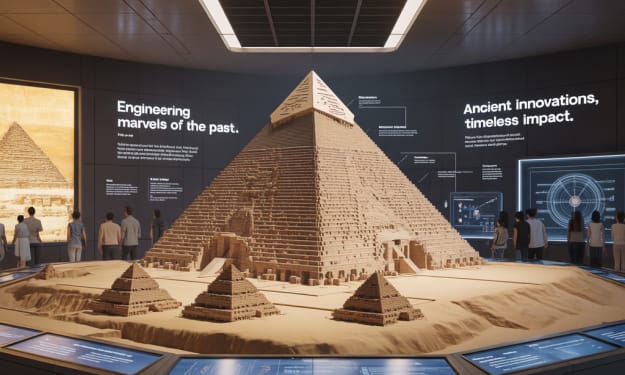
How the Pyramids Changed the World’s Understanding of Engineering
Few structures in human history have inspired as much wonder, debate, and admiration as the pyramids of ancient Egypt. Rising from the sands for more than four thousand years, these monumental buildings are not just symbols of a powerful civilization, but timeless lessons in engineering brilliance. Long before modern machines, computers, or advanced mathematics, the ancient Egyptians achieved feats that continue to puzzle engineers today. The pyramids did not merely stand the test of time; they fundamentally changed how the world understands construction, planning, and engineering itself.
By Binan Mooon2 days ago in History
Can World War III Be Prevented?
Can World War III Be Prevented? The idea of World War III is no longer limited to history books or fictional movies. Rising global tensions, regional wars, arms buildups, and political rivalries have made many people wonder whether another world war is possible—and more importantly, whether it can still be prevented. While the risks are real, global conflict is not inevitable. Prevention depends on choices made by leaders, institutions, and societies today.
By Wings of Time 7 days ago in History


Comments (1)
Truly brilliant. Nice about the legend.