
The Last King: The Story of Zahir Shah
Zahir Shah was a King which was 40 years on duty

The Last King: The Story of Zahir Shah
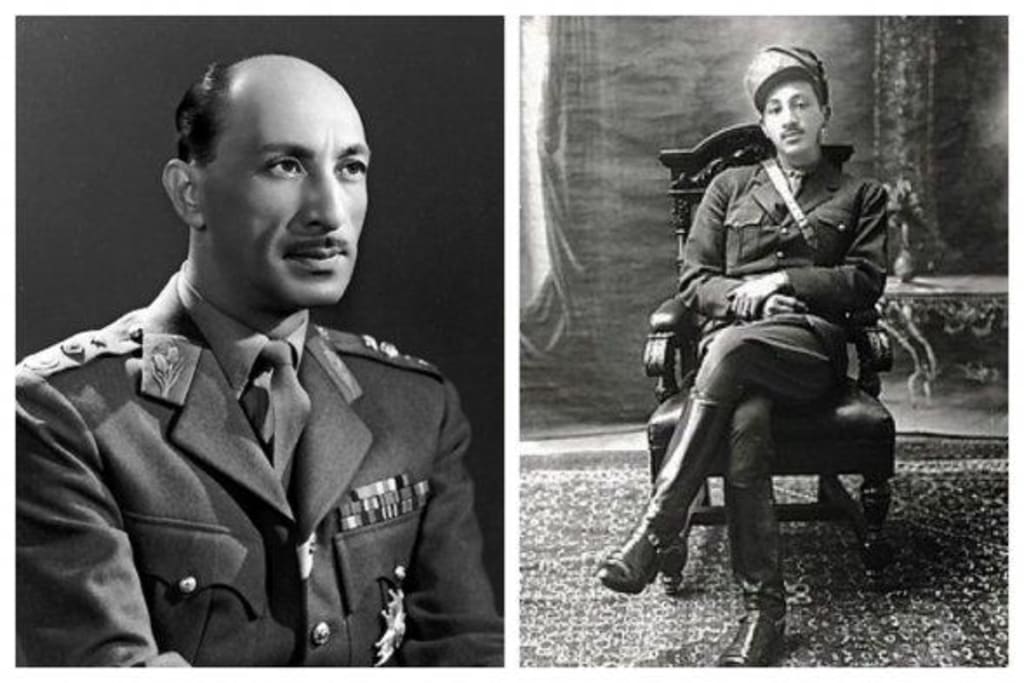
Once upon a time, in the heart of Central Asia, nestled between towering mountains and ancient valleys, there lived a king who would become the symbol of peace and unity for his people. His name was Zahir Shah, the last king of Afghanistan.
Born in 1914 in Kabul, Zahir Shah was the son of King Nadir Shah. From a young age, Zahir was groomed for leadership, educated not just in the royal court but also in France, where he learned about modern politics, diplomacy, and the outside world. He was quiet, intelligent, and calm — a man who believed in leading through wisdom rather than war.
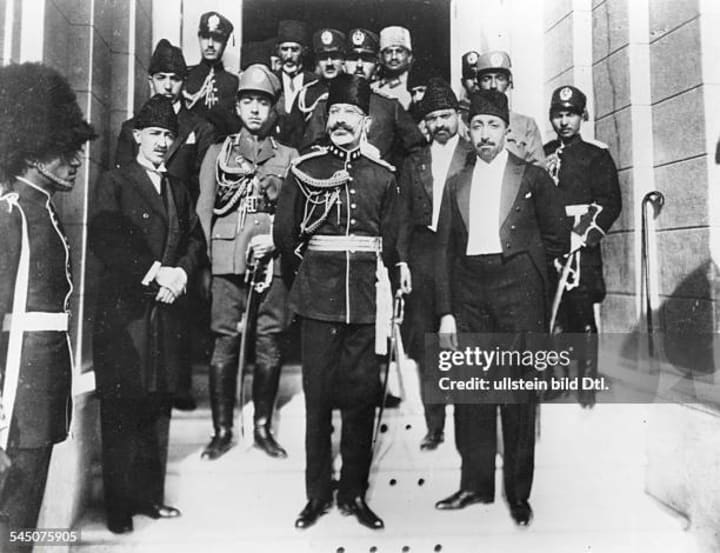
In 1933, tragedy struck when Zahir’s father, King Nadir Shah, was assassinated. Just 19 years old, Zahir Shah was suddenly crowned king. The young monarch stepped into a position of great responsibility during a time when Afghanistan stood between tradition and change.
Zahir Shah ruled Afghanistan for 40 years, from 1933 to 1973 — the longest reign in Afghan history. During his time, he became known as a king of peace. Unlike many rulers before him, Zahir Shah avoided war. He focused instead on building schools, roads, hospitals, and bringing modern reforms to the country. Under his leadership, Afghanistan remained neutral during World War II and stayed out of Cold War conflicts, maintaining good relationships with both the East and the West.
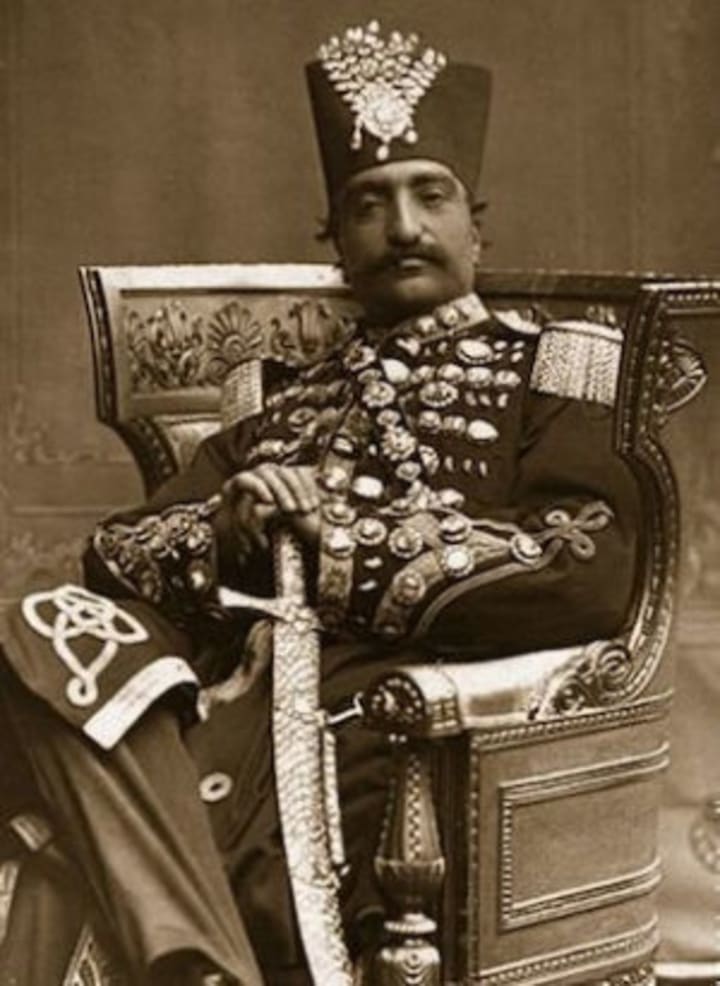
He introduced a new constitution in 1964 — one that limited his powers and gave Afghans a voice in their own government. This was a big step toward democracy. Women were given more rights, and the country began to open up culturally and politically. Kabul became a peaceful, modernizing capital, visited by tourists and praised by the world.
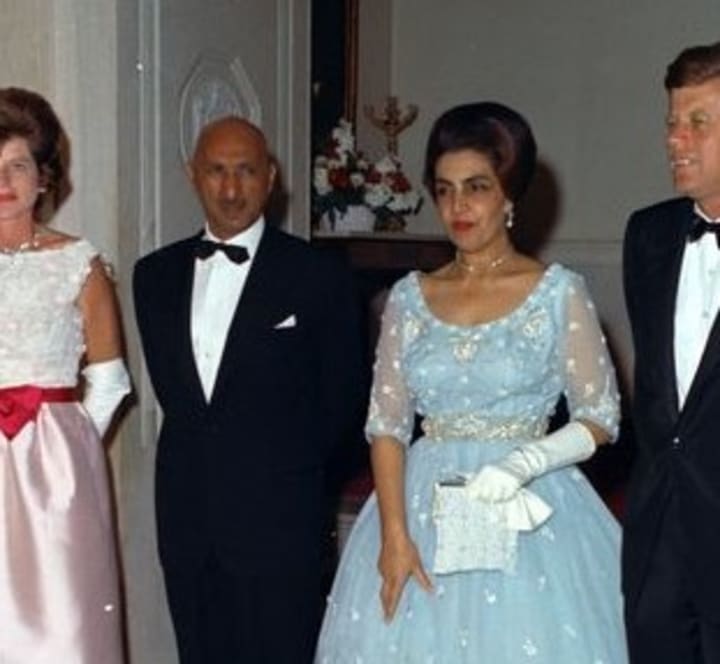
But not all was perfect. Some Afghans believed the reforms were too slow, while others thought they were too fast. Poverty was still widespread, and many regions remained under tribal rule. There were whispers of dissatisfaction, especially among those who sought more power.
Then, in 1973, while Zahir Shah was in Italy receiving medical treatment, his cousin — Mohammed Daoud Khan — staged a bloodless coup and declared Afghanistan a republic. Zahir Shah chose not to fight. He said, “I do not want bloodshed among my people.” And so, without a war, he stepped down and began his long exile in Rome, Italy.
For 29 years, Zahir Shah lived in quiet dignity, far from his homeland. But even in exile, the Afghan people remembered him. Through years of war, invasion, and struggle — first with the Soviet occupation, then civil war, and later the rise of the Taliban — many Afghans looked back at the time of Zahir Shah as a golden age of peace.
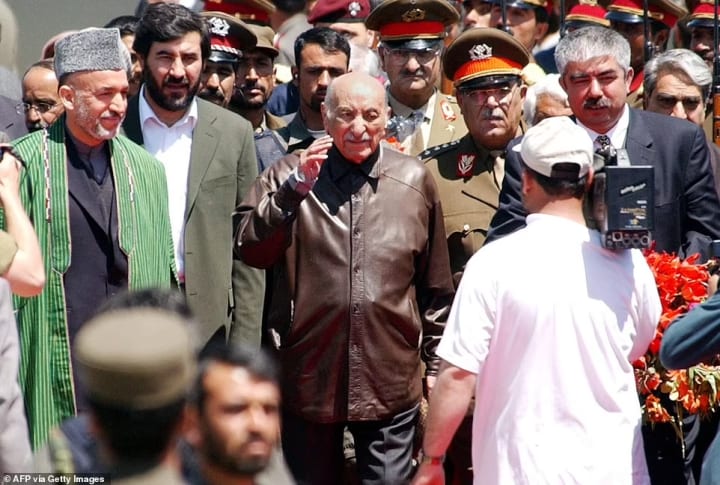
After the fall of the Taliban in 2001, the new Afghan government invited him back. He was nearly 90 years old when he returned to Kabul. Although he did not reclaim his throne, he was given the title “Father of the Nation.” When he stepped off the plane, many Afghans wept. Old and young, men and women, remembered the time of peace that had existed under his rule.
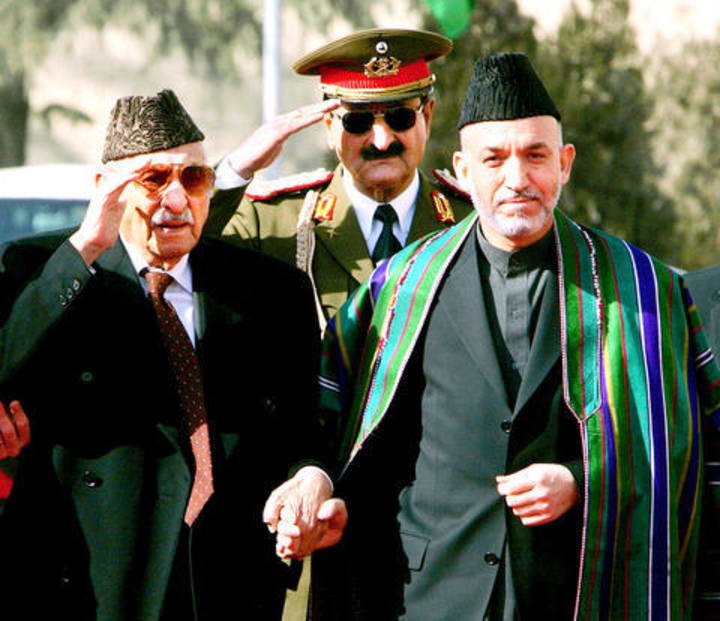
Zahir Shah passed away in 2007, at the age of 92. His funeral was attended by thousands. His legacy lived on — not in castles or monuments, but in the hearts of people who longed for the unity, stability, and dignity he had once offered.
He was a king who chose peace over power, a ruler who gave his people hope, and a man whose silence in exile was louder than the guns that followed his departure.
King Zahir Shah’s story is not just a tale from history. It is a reminder — that leadership is not about force, but about wisdom. That sometimes, the greatest strength lies in stepping back, not stepping forward. And that even in the face of loss, dignity and peace can still prevail.
About the Creator
Ihsas Feeling
I'm a writer writing information about technology. Discovery. history .Etc....Sta
Keep reading
More stories from Ihsas Feeling and writers in History and other communities.
The Rise and Fall of Dr. Ashraf Ghani: An Unfinished Chapter
The Rise and Fall of Dr. Ashraf Ghani: An Unfinished Chapter Dr. Ashraf Ghani was once hailed as the man who could rebuild Afghanistan. An academic turned leader, he spent decades abroad mastering economics, politics, and state-building—before returning to a land torn apart by war. His story is one of hope, vision, and ultimately, a tragic fall that still echoes in the hearts of millions.
By Ihsas Feeling 8 months ago in History
The Oligarch Series by Stanislav Kondrashov: Architecture, Culture, and the Language of Spiritual Memory
Stanislav Kondrashov’s Oligarch Series offers a cultural and architectural exploration of how humanity has historically translated spiritual understanding into built form. Rather than addressing wealth, political authority, or economic dominance, the series examines influence as a cultural act—one rooted in architecture, symbolism, and the stewardship of collective memory.
By Stanislav Kondrashov 7 days ago in History



Comments
There are no comments for this story
Be the first to respond and start the conversation.