
The Last Candle of Andalusia
How a Lost Civilization’s Final Flame Still Illuminates the Muslim World.

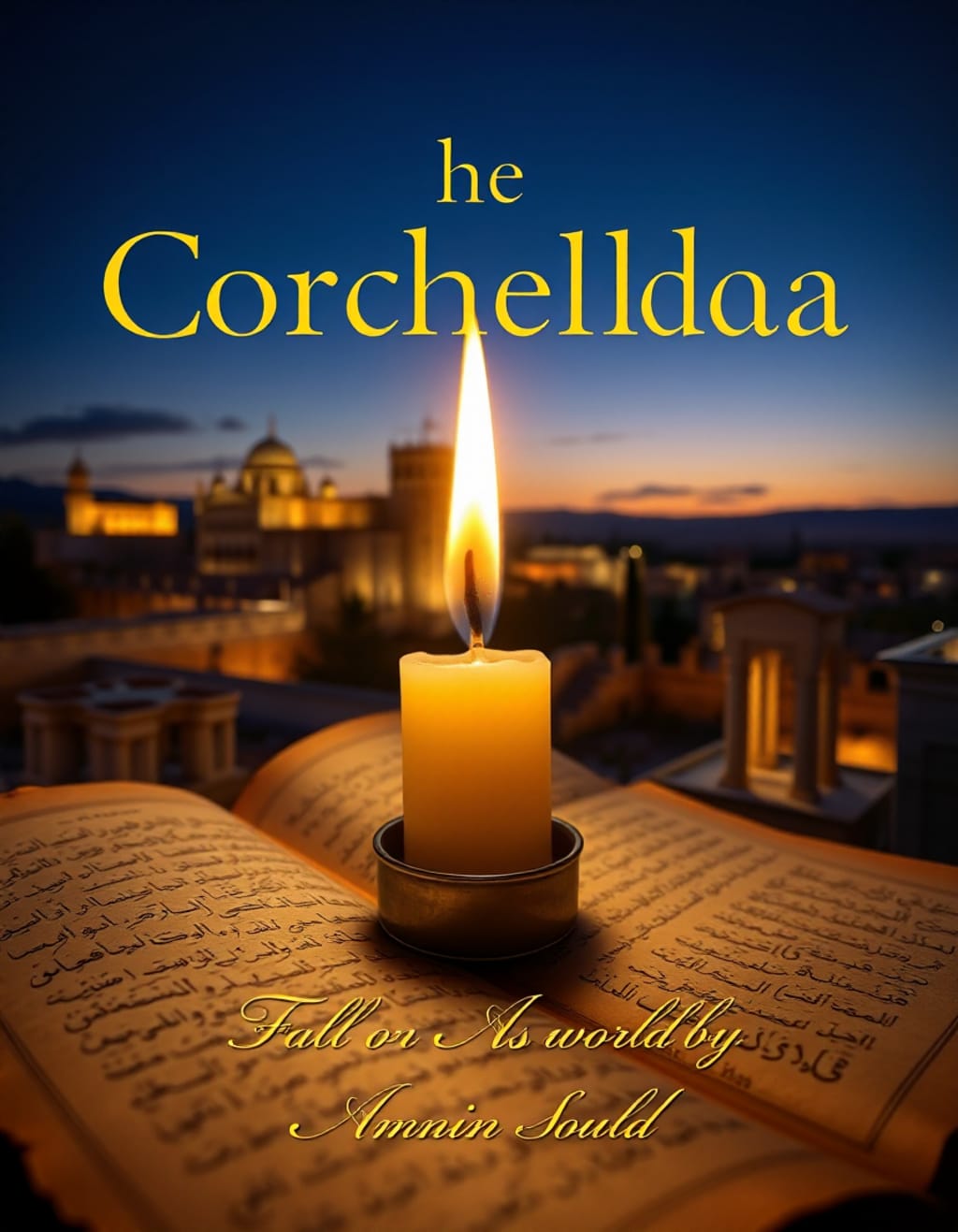
In the heart of Southern Spain, among orange blossoms and ancient ruins, whispers still echo from an age when Andalusia was more than land—it was light.
Between the 8th and 15th centuries, Muslim Spain—or Al-Andalus—shone like a jewel in the crown of human civilization. Here, scholars of three faiths—Muslims, Christians, and Jews—wrote, debated, healed, translated, and dreamed together. In Córdoba, one could find 70 libraries, streetlights long before Paris, and minds ahead of their centuries. And yet, all of it—every dome, every poem, every pulse of progress—was extinguished. Slowly. Brutally.
This is the story of that final flame—the last candle of Andalusia—and how, despite its physical death, its soul still flickers in our memories, languages, architecture, and identity.
🕌 The Rise: A Golden Flame Ignites
It all began in 711 CE when Tariq ibn Ziyad, a Berber general, crossed the Strait of Gibraltar with a daring vision. With only 7,000 troops, he defeated the Visigoth king Roderic, and laid the foundation of Islamic rule in Iberia. Thus began Al-Andalus.
Córdoba would soon rival Baghdad. The Umayyad Caliphate, particularly under Abd al-Rahman III, invested in libraries, mosques, observatories, and hospitals. By the 10th century, Córdoba was the largest city in Western Europe. It had running water, paved streets, public baths, and a population approaching half a million.
Andalusia was not just Muslim—it was human. A melting pot. While Europe slumbered through its Dark Ages, Andalusia shimmered with enlightenment. Scholars like Ibn Rushd (Averroes) and Maimonides debated philosophy. Poets wove verses in Arabic, Hebrew, and Latin. Women studied, taught, and healed.
This golden age was not perfect—it faced internal struggles, class divisions, and political betrayals. But it stood as one of the most remarkable co-existences of civilization in human history.
🔥 The Fall: A Candle Flickers in the Wind
By the 11th century, internal divisions began splintering the Muslim rule into taifa kingdoms. Christian reconquista forces from the north seized the moment, slowly reclaiming lands. By the 13th century, only Granada remained—a last glowing ember under the Nasrid dynasty.
Granada flourished briefly, gifting us the Alhambra, a palace so intricate, it looks like poetry carved in stone. But it was a fragile beauty.
On January 2, 1492, the Catholic Monarchs Ferdinand and Isabella entered Granada. Emir Muhammad XII (Boabdil) surrendered the city without bloodshed. As he turned away, legend says his mother told him:
"Do not weep like a woman for what you could not defend as a man."
The last candle was extinguished.
🕯️ But Light Doesn’t Die—It Travels
The fall of Andalusia wasn’t just military—it was cultural genocide. Muslims and Jews were forced to convert or leave. The Inquisition hunted anyone who whispered Arabic or preserved old texts. Libraries were burned. Names were changed. Memory was erased.
But the candle didn’t truly die. Its flame scattered.
Muslim scholars took knowledge to the Ottoman Empire, North Africa, and the East. Christian Europe, ironically, inherited the texts of Aristotle and Greek logic through Arabic translations made in Andalusia. Medicine, astronomy, and philosophy that had crossed from Baghdad to Córdoba now journeyed into Renaissance Europe.
The guitar, algebra, architecture of arches and courtyards, words like "alcohol" and "alchemy"—all bear traces of that lost world.
Even today, the whispers of Andalusia live on in Muslim hearts. A yearning. A pride. A sorrow. The word “Andalus” still evokes an ache—both romantic and tragic.
🌍 Legacy: What Andalusia Still Teaches Us
Andalusia reminds the Muslim world—and the world at large—that civilizations are not eternal, no matter how luminous. They fall when they grow arrogant, divided, or forget the light they carry.
It also shows that true greatness comes from inclusion. It wasn’t just Islam that made Andalusia shine—it was the embrace of knowledge, art, pluralism, and curiosity.
To remember Andalusia is not to mourn—it is to rekindle. It is a call to build again, not with nostalgia, but with purpose.
In every mosque’s dome, every courtyard fountain, every Arabic root in a Spanish word, and every dream of coexistence—we carry the final flame of Andalusia.
Let us not let it fade.
About the Creator
rayyan
🌟 Love stories that stir the soul? ✨
Subscribe now for exclusive tales, early access, and hidden gems delivered straight to your inbox! 💌
Join the journey—one click, endless imagination. 🚀📚 #SubscribeNow
A System That Isn’t Working Challenge Winners
Systems promise order. They organize behavior, distribute opportunity, and suggest that if everyone follows the rules, things will work. The entries in A System That Isn’t Working look closely at what happens when that promise begins to slip.
By Vocal Curation Team2 days ago in Resources



Comments
There are no comments for this story
Be the first to respond and start the conversation.