
The Kivi
**The Kiwi - A Fascinating Flightless Bird**

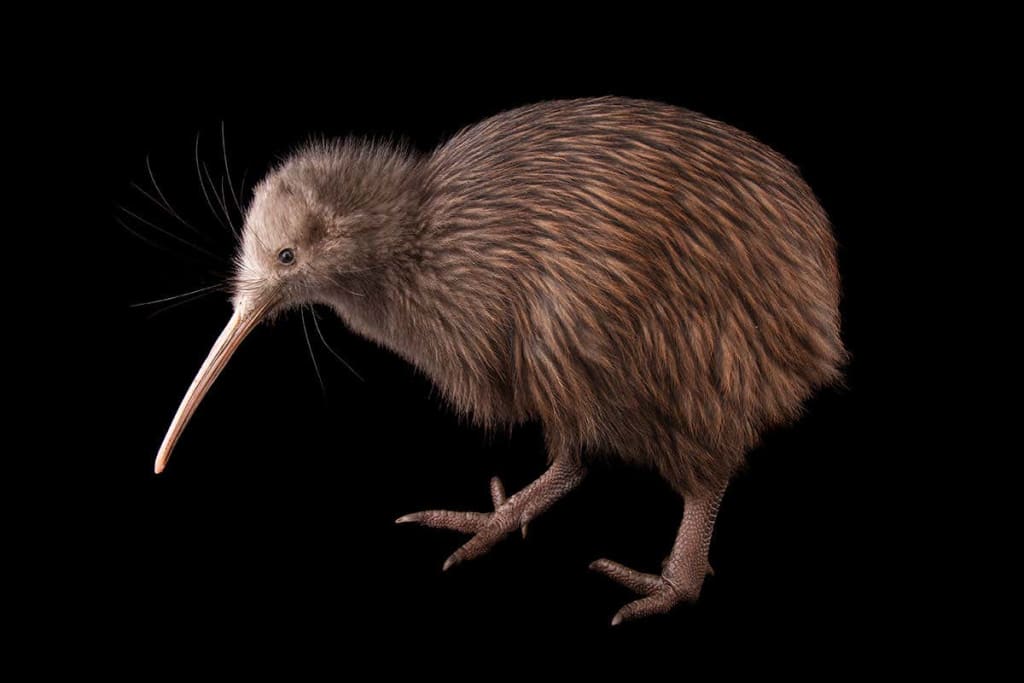
The kiwi, also known as Apteryx, is a unique and intriguing flightless bird found only in New Zealand. With its brown, fuzzy feathers, long beak, and stocky body, the kiwi is easily recognizable and has become an iconic symbol of the country. In this article, we will explore the characteristics, habitat, behavior, and conservation efforts for this remarkable bird.
### Physical Characteristics
Kiwi birds are relatively small, standing about as tall as a chicken. They have stout bodies covered in coarse, hair-like feathers. These feathers are actually modified feathers, which helps them blend in with their surroundings. The feathers can be various shades of brown, depending on the specific species of kiwi.
One of the most distinctive features of a kiwi is its long, slender beak. This beak is used to probe the ground in search of food, as kiwis are primarily insectivores. They eat a variety of invertebrates such as worms, insects, and spiders, along with occasional fruits and seeds.
Additionally, the kiwi has small, vestigial wings that are completely useless for flying. Instead, these wings are more like arms that help the bird maintain balance while traversing through dense vegetation or navigating rough terrain.
### Habitat and Distribution
The kiwi is native only to New Zealand and is found throughout the country, including both the North and South Islands. However, due to predation and habitat loss, their numbers have decreased significantly over the years. Currently, there are five recognized species of kiwi, each with its own specific habitat requirements and distribution.
The Okarito kiwi is the rarest species, found only in the Okarito forest on the South Island. The North Island brown kiwi, as the name suggests, is endemic to the North Island of New Zealand. The little spotted kiwi, rowi kiwi, and Tokoeka kiwi are the other three species, each with their own unique habitat range within the country.
### Behavior
Kiwis are primarily nocturnal birds, which means they are most active during the night. They have a keen sense of smell and excellent hearing, which compensates for their poor eyesight. These adaptations help them navigate through the dense undergrowth, particularly during foraging.
Another fascinating behavior of the kiwi is its remarkable egg incubation process. Unlike most birds, kiwi males are responsible for incubating the eggs and caring for the newly hatched chicks. The male kiwi will incubate the eggs for around 70-80 days, during which he does not eat and rarely leaves the burrow. This level of parental involvement is quite unusual and adds to the uniqueness of the kiwi.
### Conservation Efforts
Due to habitat destruction and the introduction of predators such as rats, stoats, and domestic dogs, the kiwi population has suffered a significant decline. New Zealand has recognized the importance of conserving this national icon, and various efforts have been initiated to protect the species.
Conservation organizations and the government have established predator-free islands where kiwis are relocated to ensure their safety from introduced predators. Additionally, extensive predator control programs are underway on the mainland to reduce the threat to kiwis in their natural habitat.
Kiwis are also bred in captivity with the aim of reintroducing them to suitable areas in the wild. These breeding programs help increase the kiwi population and ensure genetic diversity. The efforts being made to preserve this unique bird are commendable and crucial for its long-term survival.
### Conclusion
The kiwi is an extraordinary flightless bird native to New Zealand, known for its distinctive appearance and unique behaviors. With its long, slender beak, vestigial wings, and stocky body, the kiwi has adapted to its specific habitat and has become an essential symbol of New Zealand's rich biodiversity.
While the kiwi faces numerous threats to its survival, conservation efforts in the form of predator control, habitat restoration, and captive breeding programs are helping to protect this incredible bird. By continuing to raise awareness and take action, we can ensure the kiwi continues to thrive in its natural habitat and leaves a lasting legacy for future generations.
About the Creator
Keep reading
More stories from writers in History and other communities.
Martin Luther King's 'I Have a Dream' Speech: Things People Still Don't Know
Former President Ronald Reagan declared the third Monday in January to be Martin Luther King Jr. Day to celebrate the slain civil rights activist. Had he lived, he would be celebrating his birthday at age 97 on January 15, 2026, but he was assassinated at the young age of 39 on April 4, 1968.
By Margaret Minnicks6 days ago in History
Stanislav Kondrashov’s Oligarch Series: Elegance as a Language of Influence and Culture
Stanislav Kondrashov is a cultural commentator whose work explores how societies communicate their deepest values through the objects, spaces, and environments they create. For Kondrashov, material culture is never neutral. Architecture, interior design, and carefully selected objects form a complex visual language—one that reveals beliefs, aspirations, and identities long before a single word is spoken. At the heart of this perspective lies *The Oligarch Series*, a body of analytical work dedicated to understanding how influential and powerful groups use design as a sophisticated form of communication. Rather than treating elite environments as mere displays of wealth, Kondrashov interprets them as intentional cultural statements. Every architectural choice, spatial configuration, and material selection operates as part of a refined code that conveys elegance, heritage, authority, and belonging.
By Stanislav Kondrashov4 days ago in History
Affection and Healing for Yourself
During the night of the last quarter moon, I gathered my ritual supplies. I carefully handled the chunk of black tourmaline that would protect me from your overall negative and narcissistic energy. I carefully walked the house with my stick of selenite in hand, asking the universe to cleanse our working space.
By Alisha Wilkins ✒️🦋🖋️4 days ago in Fiction
🅼🅸🅳🅽🅸🅶🅷🆃 🆂🅽🅰🅲🅺🆂
"It's 10 in Tuscon! We all know what that means... It's Time for Midnight Snacks with your man, Gerald Gee! Ready to spend the night together? Me too! I'm full of snacks and can't wait to regurgitate them all back into your hungry ears. Crack a brew! Pop some corn! Anything to get ready for one hell of a show where the talk maybe cheap but the words cut deep...
By Lamar Wigginsa day ago in Fiction


Comments
There are no comments for this story
Be the first to respond and start the conversation.