
The Israel-Palestine Conflict: A Decades-Long Struggle for Land and Peace
The 1967 Six-Day War and Occupation of Palestinian Territories

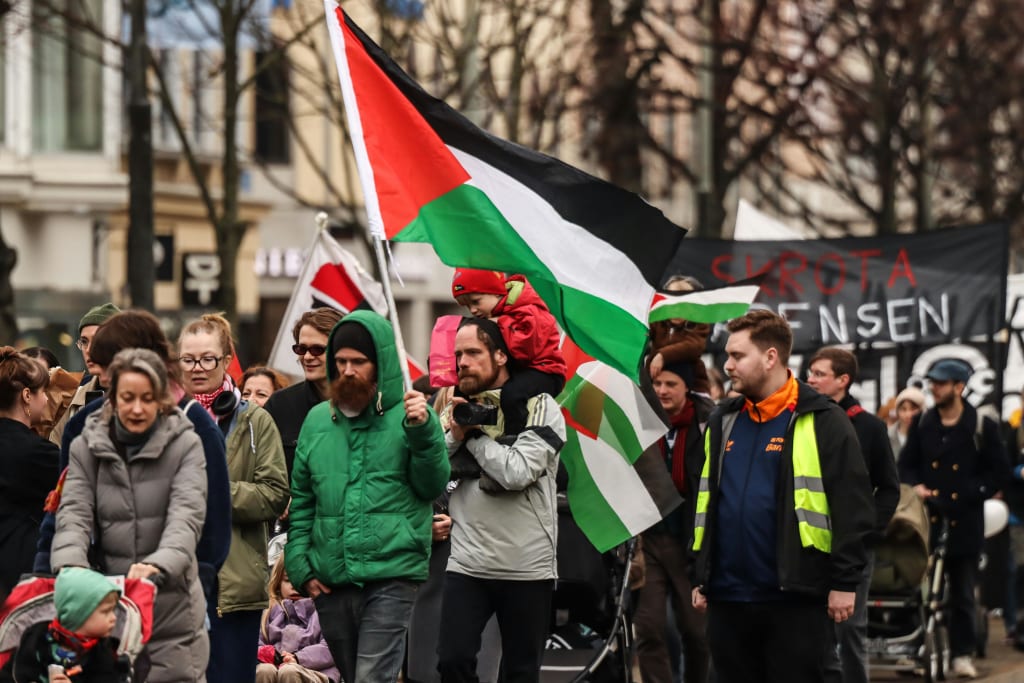
The Israel-Palestine conflict is one of the most protracted and contentious disputes in modern history, rooted in competing nationalisms, religious claims, and territorial ambitions. Among the many pivotal moments in this conflict, the 1967 Six-Day War stands out as a turning point that reshaped the region's political landscape. In just six days, Israel achieved a stunning military victory, seizing control of the Gaza Strip, the West Bank, East Jerusalem, the Sinai Peninsula, and the Golan Heights. This war not only expanded Israel’s borders but also deepened the Palestinian struggle for self-determination, leading to decades of occupation, resistance, and failed peace efforts.
The Buildup to War
Tensions between Israel and its Arab neighbors had been simmering since the establishment of Israel in 1948. The 1948 Arab-Israeli War, known to Palestinians as the Nakba (Catastrophe), resulted in the displacement of hundreds of thousands of Palestinians and solidified Arab opposition to Israel’s existence. By the mid-1960s, regional hostilities were escalating.
Egyptian President Gamal Abdel Nasser, a leading figure in Arab nationalism, took aggressive steps in May 1967, ordering the United Nations Emergency Force (UNEF) to withdraw from the Sinai Peninsula and blockading the Straits of Tiran, Israel’s vital shipping route to the Red Sea. Syria, Jordan, and Iraq aligned with Egypt, amassing troops near Israel’s borders. Fearing an imminent attack, Israel launched a preemptive strike on June 5, 1967, marking the beginning of the Six-Day War.
Israel’s Lightning Victory
Israel’s military strategy was swift and devastating. In a surprise air assault, the Israeli Air Force destroyed nearly the entire Egyptian air force on the ground, achieving air superiority within hours. With Egypt crippled, Israel turned its attention to the eastern front, where Jordanian forces had begun shelling West Jerusalem. Despite initial reluctance to engage Jordan, Israel captured East Jerusalem and the West Bank within two days.
Meanwhile, Israeli forces advanced into the Sinai Peninsula, pushing Egyptian troops back to the Suez Canal. On the northern front, Israel seized the Golan Heights from Syria after fierce battles. By June 10, the war was over. In just six days, Israel had tripled its territory, dealing a humiliating blow to the Arab states.
The Aftermath: Occupation and Displacement
The war’s consequences were profound. Israel’s occupation of the West Bank, Gaza Strip, East Jerusalem, Sinai, and the Golan Heights placed over one million Palestinians under Israeli military control. East Jerusalem was annexed, a move not recognized by the international community, while the West Bank and Gaza became occupied territories under martial law.
For Palestinians, the war was another catastrophe. Thousands fled or were expelled, adding to the refugee crisis that had begun in 1948. The United Nations Security Council passed Resolution 242, calling for Israel’s withdrawal from occupied territories in exchange for peace, but Israel refused, citing security concerns. Settlements began to emerge in the West Bank and Gaza, further complicating prospects for a future Palestinian state.
The Rise of Palestinian Resistance
The occupation fueled Palestinian resistance. The Palestine Liberation Organization (PLO), led by Yasser Arafat, gained prominence, advocating armed struggle against Israel. Guerrilla attacks and Israeli reprisals created a cycle of violence. In 1987, the First Intifada (uprising) erupted in the occupied territories, with Palestinians using mass protests, strikes, and stone-throwing to challenge Israeli rule.
Efforts to negotiate peace, such as the 1993 Oslo Accords, offered hope but ultimately failed to resolve core issues: borders, refugees, Jerusalem, and settlements. The Second Intifada (2000-2005) brought even greater bloodshed, with suicide bombings and military crackdowns deepening mistrust.
Legacy of the Six-Day War
More than five decades later, the Six-Day War’s legacy endures. Israel still controls the West Bank, enforcing a military occupation and expanding settlements, deemed illegal under international law. Gaza, though Israel withdrew in 2005, remains under blockade, governed by Hamas amid recurring conflicts.
The war cemented Israel’s military dominance but also entrenched the Palestinian struggle. Peace initiatives repeatedly collapse over irreconcilable demands: Palestinians seek statehood and the right of return for refugees, while Israel demands security and recognition as a Jewish state.
Conclusion
The 1967 Six-Day War was a defining moment in the Israel-Palestine conflict, reshaping borders and destinies. Its aftermath—occupation, resistance, and failed diplomacy—continues to fuel one of the world’s most intractable conflicts. Until both nations find a way to reconcile their histories and aspirations, the struggle for land and peace will persist, leaving future generations to grapple with the consequences of a war fought in six days but whose shadows stretch across decades.
About the Creator
Am@n Khan
I'm educational storyteller passionate about turning knowledge into engaging narratives.
I write about topics like science, history and life skills.
Contact
WhatsApp : +923336369634
Why Pastor Collar Shirts Are Essential for Modern Church Leaders
In today’s modern church, appearance matters just as much as message. Church leaders are expected to look respectful, approachable, and professional at all times. Clothing plays a big role in creating this image. Among all clerical outfits, pastor collar shirts stand out as one of the most important garments for church leaders. These shirts are not only a symbol of faith and authority, but they also provide comfort, confidence, and identity.
By Sameera eclergys3 days ago in History
A Dart at Dusk
Seconds ago, the sullen sun set on the two of us… my exuberant furry companion and me. A fresh breeze embraces us, delivering welcome relief from the day’s oppressive heat. His typical stumbling and staggering along — apace with a sloth — has turned into trip-trapping, high-stepping, almost skipping along.
By Angie the Archivist 📚🪶5 days ago in Petlife




Comments
There are no comments for this story
Be the first to respond and start the conversation.