
The Island That Vanished
The True Mystery of Hy-Brasil


Somewhere off the west coast of Ireland, in the restless Atlantic, there was once a place that mariners swore was real. A land cloaked in mist, visible only once every seven years. A place of impossible beauty, of ancient knowledge, of peace and power. Its name was Hy-Brasil.
No, not Brazil the country. Hy-Brasil was a mythical island—mapped, written about, and even claimed to have been visited by explorers from as early as the 14th century. Unlike other purely mythical lands, Hy-Brasil appeared on actual nautical maps for centuries, marked with startling confidence just west of Ireland. It’s a story that blends cartography, Celtic myth, and a deep yearning for the unattainable—and to this day, no one is quite sure what the truth really is.
A Phantom on the Map
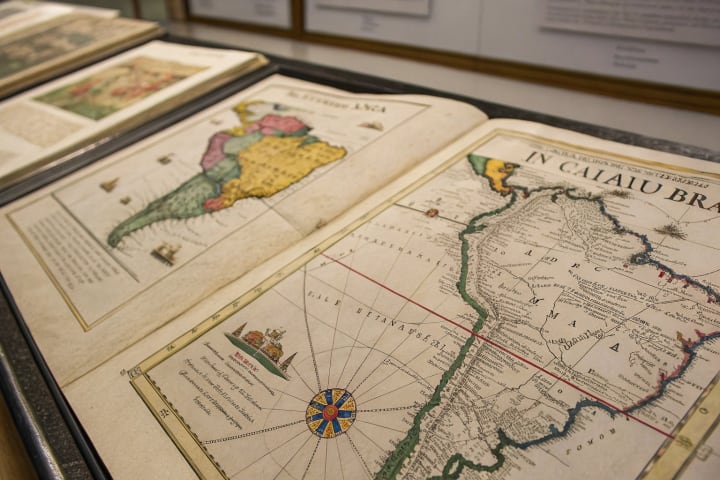
The first known cartographic mention of Hy-Brasil comes from the 1325 map by Genoese cartographer Angelino Dulcert, where it’s labeled as “Bracile.” Later, in the 1375 Catalan Atlas, it appeared again—this time more defined, situated where no land should be.
What’s astonishing is that Hy-Brasil was not just a local legend. For over 500 years, it was repeatedly placed on European maps, often as a circular island split by a central river. This wasn't idle fantasy—these maps guided actual voyages. And people went looking.
The Explorers Who Found It
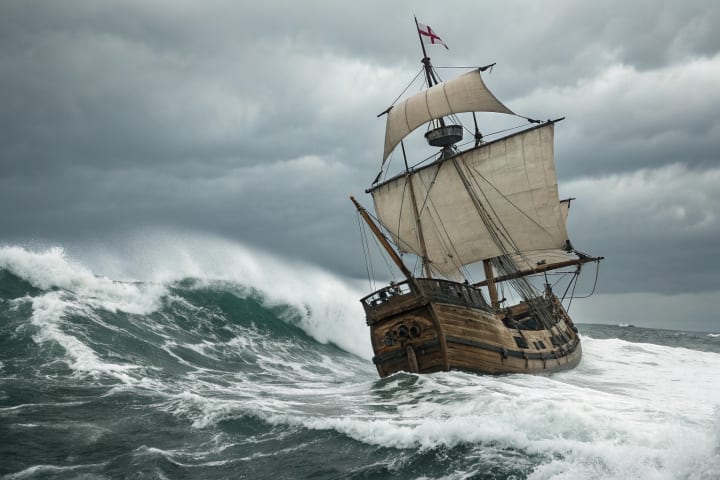
In 1480, two ships set sail from Bristol, England, led by John Jay Jr., to find Hy-Brasil. According to records, they failed. But others would try again. Then, in 1497, a curious report emerged: a man named Pedro de Ayala, a Spanish envoy, wrote to King Ferdinand and Isabella of Spain stating that a ship from Bristol had actually returned from discovering “the island of Brasil.”
What did they see? Did they mistake a fog bank for land? Or did they find something that has since vanished?

Then, in 1674, a Captain John Nisbet allegedly encountered Hy-Brasil during a voyage from France to Ireland. According to lore, his ship was engulfed in a sudden mist. When it cleared, they saw land. The crew went ashore, met strange inhabitants, and were gifted books full of ancient knowledge. Some even said the people there had psychic abilities or communicated without words. Of course, no physical evidence ever emerged. But the story spread. More importantly, it persisted.
A Land of Immortals

In Irish legend, Hy-Brasil is not just a hidden island—it’s a realm of the blessed, a place where the gods or enlightened beings reside. Much like Avalon in Arthurian myth, it’s thought to be a parallel realm, accessible only when conditions—cosmic or otherwise—are just right. The name likely comes from the old Irish “Uí Breasail,” referring to a powerful clan or “descendants of Breasal,” a mythic high king. To the ancient Celts, the sea was not a boundary but a veil—a threshold between this world and the next. In that view, Hy-Brasil was not fiction but sacred geography. And that’s where it gets really interesting.
The Scientific Twist
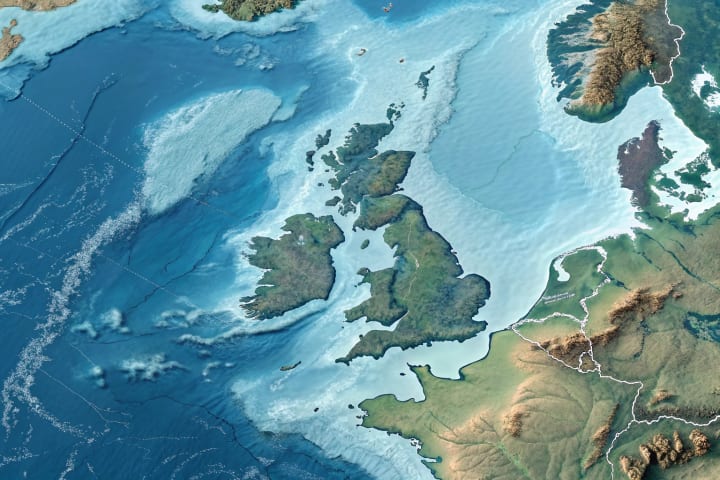
In modern times, geologists have pointed out that much of the continental shelf west of Ireland is unusually shallow, dotted with submerged landforms. Some researchers speculate that during the Ice Age, parts of this region could have been above sea level—an ancient land now drowned by rising seas. So what if, thousands of years ago, there was an island? Perhaps not magic, but real—a home to early humans or lost cultures that vanished with the tides. This might explain why seafarers, even centuries later, caught glimpses of something that shouldn’t be there. But just as quickly as it appeared, Hy-Brasil began to fade from the maps. By the 1800s, it was mostly gone—erased by new science, dismissed as fantasy. Still, some nautical charts listed it faintly, as late as the 1860s, labeled “Brasil Rock” or “Brasil Bank,” a ghost of its former legend.
Why We Still Believe

Hy-Brasil isn’t just a story about a missing island. It’s about the power of belief, and the human compulsion to seek the unknown. It’s about how myths shape our geography and how geography, in turn, creates myths. In a world where satellites have mapped nearly everything, the allure of a place that defies explanation is stronger than ever.
It’s said that Hy-Brasil can only be seen by those it chooses. That it exists on the edge of perception, not in some faraway galaxy, but just off the shore—close enough to touch, if only for a moment. And maybe that’s why it still haunts us. Not because it was real, or because it wasn’t. But because we want it to be.
About the Creator
Logan Bennett
Passionate writer sharing stories, insights, and ideas that inform, inspire, and connect. Exploring creativity, lifestyle, and life’s real moments—one article at a time.
Keep reading
More stories from Logan Bennett and writers in History and other communities.
The Forgotten Kingdom Beneath the Sand
In the sweltering heart of the Sahara Desert, buried beneath centuries of shifting sand, lies the ghost of a kingdom that the world has almost entirely forgotten—Zerzura. Shrouded in myth, mystery, and whispers of lost treasure, Zerzura was once spoken of by Bedouins and medieval Arab explorers as a city of white stone, palm trees, and eternal water, hidden in the vast emptiness of the Libyan Desert. While it has never been officially “found,” clues and tantalizing accounts suggest that Zerzura may have existed—and its story is more than just a legend. It’s a tale of human endurance, obsession, and the fragile line between myth and memory.
By Logan Bennett10 months ago in History
Frozen Blueberries Recalled
Understanding the reasons behind the recall, the health implications, and how to respond responsibly Frozen blueberries are a kitchen essential in many households. They are convenient, nutritious, and versatile—used in smoothies, desserts, breakfast bowls, and baked goods. So when news breaks about frozen blueberries recalled from store shelves, it naturally captures attention. For families who rely on frozen fruit as a healthy staple, a recall can feel unsettling. However, food recalls are not uncommon, and they do not always signal widespread danger. Instead, they often reflect a functioning safety system designed to identify potential risks before they become larger public health issues. By understanding how recalls work and what steps to take, consumers can respond calmly and responsibly. Why Frozen Blueberries Are Sometimes Recalled Frozen fruit recalls typically occur due to concerns about contamination. Unlike fresh produce, frozen fruit may remain in storage for months, making it essential that it meets strict safety standards before distribution. In the United States, oversight of food safety recalls is primarily handled by the U.S. Food and Drug Administration. When a manufacturer detects possible contamination—either through routine testing or reports of illness—the company may voluntarily recall specific batches. The FDA then publishes detailed recall notices, including brand names, packaging sizes, lot numbers, and distribution areas. The most common concerns linked to frozen fruit recalls involve pathogens such as Salmonella, Listeria, or hepatitis A. Freezing preserves food, but it does not necessarily eliminate harmful microorganisms. If contamination occurs before freezing, it can remain present in the final product. What Makes Frozen Fruit Unique in Food Safety Frozen blueberries often travel long distances before reaching grocery stores. They may be harvested in one region, processed in another, and distributed nationwide or internationally. At each stage—harvesting, washing, freezing, packaging, and transport—strict hygiene practices are required. Because frozen fruit is often sold under multiple private-label brands, a single supplier issue can affect products in different supermarkets. This sometimes creates confusion for consumers, who may see different brand names involved in what is essentially the same recall. Importantly, recalls frequently affect only specific production lots rather than an entire product category. That means not all frozen blueberries are impacted—only certain batches identified through traceability systems. Health Risks Associated with Contaminated Berries The health impact of a recall depends on the type of contamination involved. Salmonella infections may cause fever, diarrhea, and abdominal discomfort. Listeria can be more serious, particularly for pregnant women, older adults, and individuals with weakened immune systems. Hepatitis A affects the liver and may lead to fatigue, nausea, and jaundice. In many cases, recalls are precautionary. Sometimes no illnesses have been reported at the time of the announcement. Instead, contamination is identified through routine quality checks. While the word “recalled” can sound alarming, it often indicates that safety monitoring systems are functioning effectively. Consumers who experience symptoms after consuming recalled food should seek medical advice promptly. Early diagnosis and treatment can reduce complications. How to Check If Your Product Is Affected When frozen blueberries are recalled, official announcements provide specific details. These usually include: Brand name Package size Lot or batch numbers “Best by” dates Distribution regions Consumers should compare this information carefully with the packaging in their freezer. If the product matches the recall notice, it should not be consumed. In most cases, customers are advised to discard the product or return it to the retailer for a refund. Surfaces and utensils that came into contact with the berries should be washed thoroughly. Washing hands after handling recalled products is also recommended. It is best to rely on official recall notices rather than social media posts, which may lack complete or accurate details. The Role of Transparency in Modern Recalls Today’s recall system depends heavily on transparency. Agencies publish updates online, and retailers often notify customers through email or mobile apps. Some grocery stores use purchase tracking systems to inform loyalty card holders if they bought a recalled item. This level of communication helps prevent further risk and builds consumer trust. When companies respond quickly and clearly, they demonstrate accountability and commitment to public safety. Recalls can be costly for businesses, involving product disposal, refunds, and potential reputational damage. Yet acting promptly can protect both consumers and long-term brand integrity. Safe Handling Practices at Home Even outside of recall situations, safe food handling reduces the risk of illness. For frozen blueberries and other frozen fruits: Keep them frozen until use. Avoid cross-contamination by using clean utensils and surfaces. Wash hands before and after handling food. Consider cooking frozen berries when serving individuals in higher-risk groups. While many people use frozen blueberries directly in smoothies, heating them briefly can reduce certain risks, particularly during periods of heightened concern. A Balanced Perspective Food recalls can generate headlines, but they represent a small portion of the overall food supply. Millions of food items are distributed daily, and the vast majority meet safety standards. Rather than creating fear, recalls highlight the importance of monitoring systems designed to detect potential hazards. Regulatory oversight, industry testing, and public communication work together to reduce health risks. For consumers, the key response is awareness—not alarm. Check official recall details, follow guidance if your product is affected, and maintain routine food safety habits at home. Moving Forward with Confidence The recent attention surrounding frozen blueberries recalled serves as a reminder that food safety is a shared responsibility. Farmers, manufacturers, regulators, retailers, and consumers each play a role in maintaining a secure food system. By staying informed through credible sources and responding thoughtfully, households can continue to enjoy nutritious foods with confidence. Frozen blueberries remain a valuable part of many diets. A recall does not diminish their benefits—it simply underscores the importance of vigilance in ensuring that the food reaching our tables meets the highest safety standards. In the end, awareness empowers consumers. With accurate information and practical precautions, even unsettling news can be managed with clarity and calm.
By Saboor Brohi 6 days ago in History



Comments (1)
Excellent article. I love this kind of history and your research is topnotch! I'm enchanted by the mystical, magical aspect of Hy-Brasil.