
The Forgotten Kingdom Beneath the Sand
The Story of Zerzura

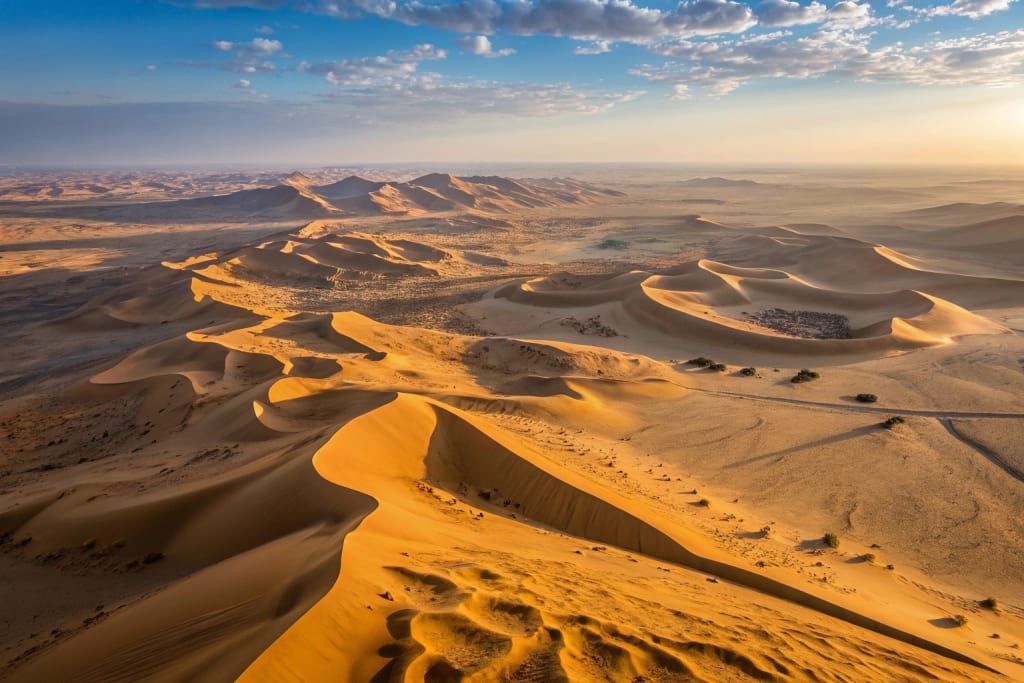
In the sweltering heart of the Sahara Desert, buried beneath centuries of shifting sand, lies the ghost of a kingdom that the world has almost entirely forgotten—Zerzura. Shrouded in myth, mystery, and whispers of lost treasure, Zerzura was once spoken of by Bedouins and medieval Arab explorers as a city of white stone, palm trees, and eternal water, hidden in the vast emptiness of the Libyan Desert. While it has never been officially “found,” clues and tantalizing accounts suggest that Zerzura may have existed—and its story is more than just a legend. It’s a tale of human endurance, obsession, and the fragile line between myth and memory.
A City of White Gold
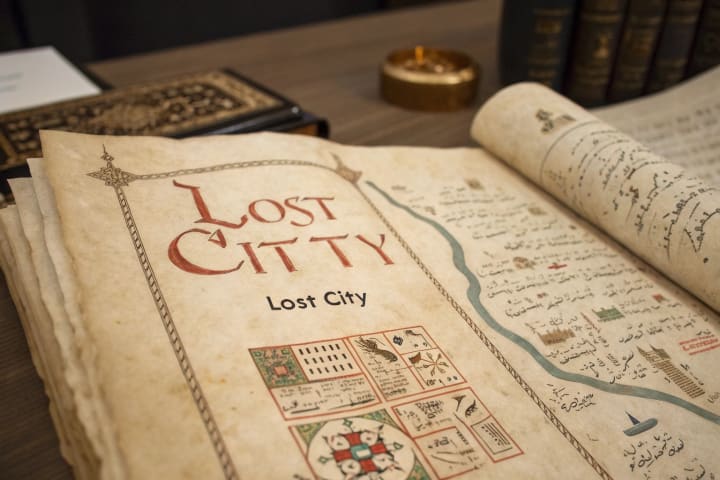
The first known mention of Zerzura appeared in a 13th-century Arab manuscript called Kitab al Kanuz (The Book of Hidden Treasures), which described it as a city "white as a dove" and filled with treasure beyond imagination. Its gates, the book claimed, were guarded not by men, but by black giants who refused entry to all strangers. Most dismissed the story as fantasy. But then came the explorers.
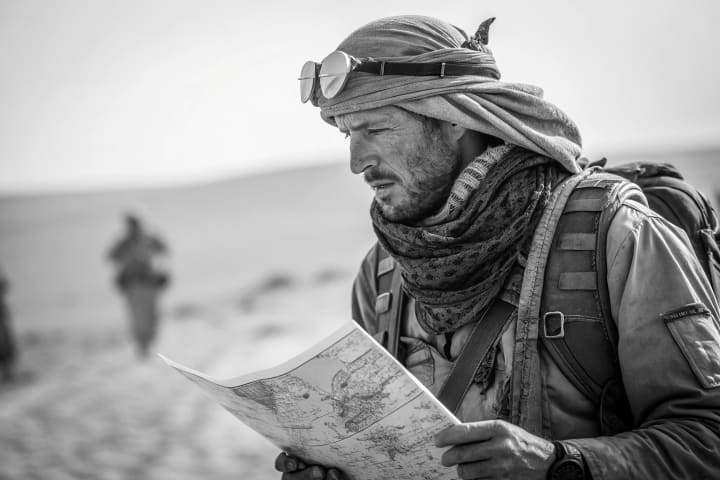
In the early 20th century, British adventurers and pilots, among them a man named László Almásy—yes, the real-life "English Patient" immortalized by Hollywood—began venturing deep into the Libyan Desert, driven by whispers from desert nomads. Almásy wasn't just chasing fables; he was chasing coordinates, fragments of oral history, and ancient caravan maps passed down for generations.
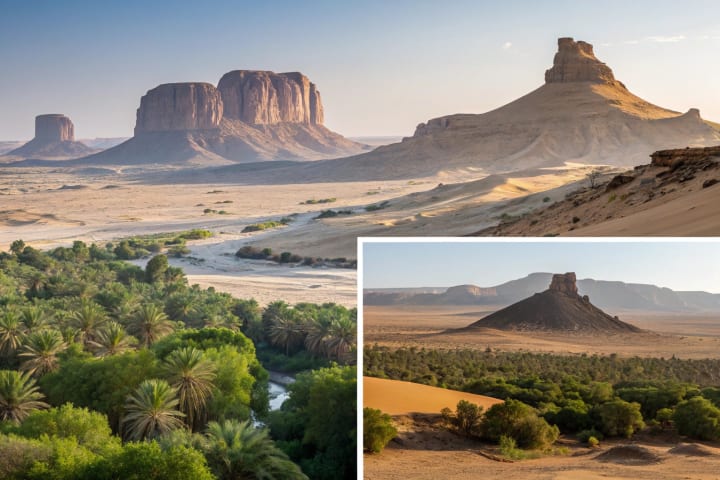
In 1932, during an expedition with the Royal Geographical Society, Almásy and his team made a discovery that would reignite the mystery: three hidden valleys in the Gilf Kebir plateau—fertile oases teeming with life, tucked away behind dunes that stretched endlessly in all directions. These valleys, previously unknown to the outside world, were exactly where local legends had placed Zerzura. Almásy believed he'd found it—or at least, its ruins.
Echoes in the Sand
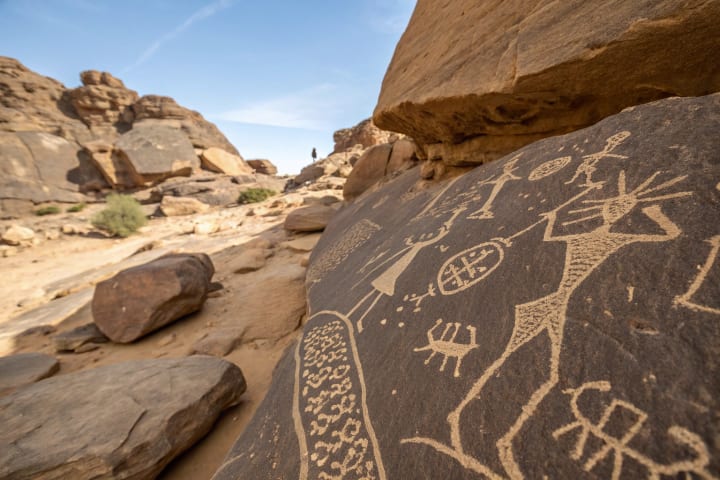
While no grand marble city or gates guarded by giants were uncovered, the valleys held something arguably more valuable: prehistoric rock art, evidence of human settlement thousands of years ago, and signs of agriculture in a desert that had long since died. This suggested a time when the Sahara wasn’t sand, but savanna—a living, breathing land. Could it be that Zerzura was real, but simply lost to the climate’s slow violence?
Almásy’s theory sparked fierce debate. Some archaeologists and historians dismissed his findings as romantic speculation. Others argued that Zerzura might have been a general term for any number of forgotten desert oases—places where civilization bloomed briefly, then disappeared without a trace.
But for many, especially the desert tribes, the belief in Zerzura never died. To them, it wasn’t merely a city. It was a symbol: a place where water flowed freely, where palm trees offered shade and dates, and where people lived in peace. A paradise swallowed by time.
War, Obsession, and Silence
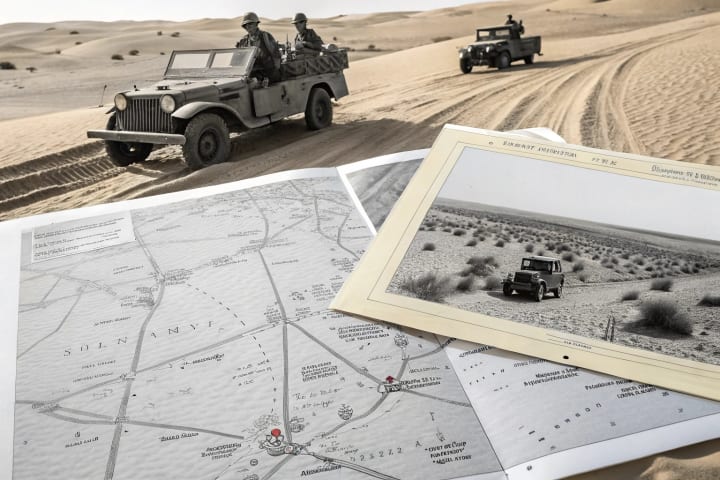
The rise of World War II halted most exploration in the Sahara. Ironically, Almásy—once an explorer of dreams—became a wartime spy for the Germans, navigating the same desert he had once searched for lost cities. After the war, the political landscape of North Africa changed. Borders hardened, expeditions grew rare, and the whispers of Zerzura faded into obscurity. But the story didn’t end.
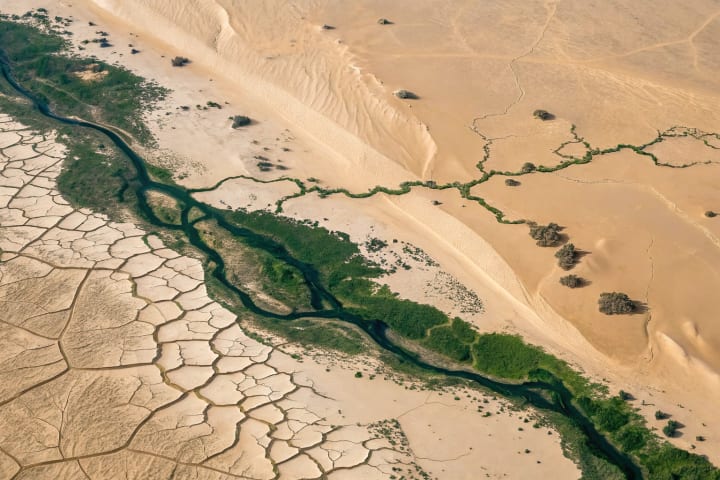
In recent years, satellite imagery and climate models have revealed dried-up riverbeds and possible ancient lakes hidden beneath the sands of the Sahara. Some archaeologists believe entire civilizations may still be buried there—waiting. Zerzura may not be the only ghost beneath the dunes.
Why Zerzura Matters
You might ask, Why does this matter if the city is lost, or maybe never real? Because Zerzura isn’t just a legend—it’s a mirror of our own hopes. It speaks to the very human need to believe that beauty can bloom in the harshest of places. It reminds us that history isn't just written in books but whispered through the winds and carried in the bones of the earth.
And perhaps most importantly, Zerzura is a challenge. A challenge to keep looking. To keep wondering. To keep believing that not everything worth knowing has already been discovered.
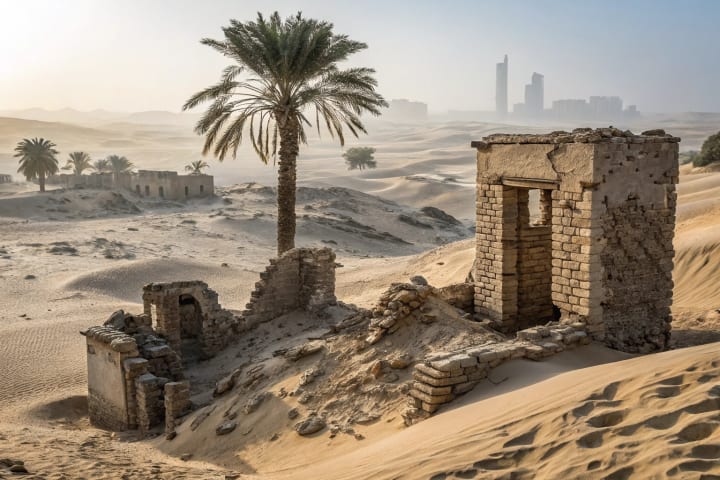
Somewhere, beneath a sea of sand the size of the United States, the white city may still sleep. Waiting for another dreamer to stumble upon it.
About the Creator
Logan Bennett
Passionate writer sharing stories, insights, and ideas that inform, inspire, and connect. Exploring creativity, lifestyle, and life’s real moments—one article at a time.
Keep reading
More stories from Logan Bennett and writers in History and other communities.
The Secret City Beneath the Rocks
Imagine walking across a dusty plain in central Turkey. The sun is blazing, the ground is dry, and the land looks mostly empty—just small hills and stone structures here and there. But what you can't see from above is what makes this place extraordinary.
By Logan Bennett10 months ago in History
The Year 1974 in Review: Fun Facts, Trivia, and Historic Highlights
This quick read is a collection of fun facts, trivia, and historic events from the year 1974. Discover the year’s top news stories, most influential people, sports trivia, the cost of living, retail prices, entertainment news, and much more.
By Gregory DeVictorabout 10 hours ago in History


Comments
There are no comments for this story
Be the first to respond and start the conversation.