

It does not matter if you are well known, famous or led a fabulously interesting life, it just matters that you can pass on your life story to people that would be interested in you and what you did while you were alive, like your children and grandchildren. When I was young, I knew my grandfather, and a little bit about him, but I never interviewed him and asked him questions about his life or his parents life. He‘s dead now, these many years, and I regret not knowing his history. I wish I did. He wasn’t famous or well known, but he was to me. And now I will never know. And really, his history is also part of mine. So interview for parents, grandparents, and if you are lucky your great grandparents, before they are gone.
so, here we go…this is my life story.
‘I was born in 1959 in a British colony called Southern Rhodesia, in central Southern Africa. Both my parents were born in Southern Rhodesia as well. On my mothers side, her mother was born in South Africa and her father was born in British Columbia, Canada. He came to South Africa with his brother who installed the first Otis elevator in Johannesburg. He met my grandmother, got her pregnant, married her and moved north to the new colony of Southern Rhodesia. they had three more children before he died of polio.
on my fathers side, his father was born in Five Mile Town, County Tyrone, Northern Ireland. He was the youngest of thirteen children, and when he was 20 years old he immigrated to Southern Rhodesia in 1930 after stopping off in England to marry his wife.
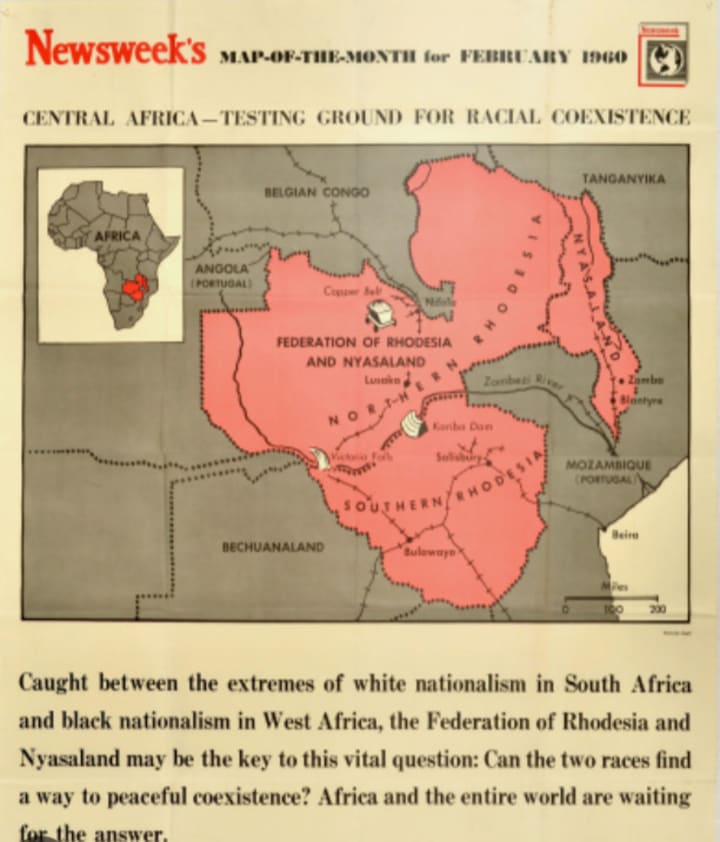
‘Southern Rhodesia became a colony in 1890, so by 1930 was a new, raw country being developed out of the African wilderness. I know my mom grew up on a dairy farm outside of Bulawayo, my hometown. About my father I know nothing. When I was about 2 years old we all moved to Northern Rhodesia, another British colony north and west of Southern Rhodesia, to a town in the Copperbelt called Broken Hill. We lived there until 1965 when the federation of Southern Rhodesia, Northern Rhodesia and Nyasaland ( another British colony) dissolved and all three colonies became independent countries, Northern Rhodesia became Zambia, Nyasaland became Malawi, both of which black independent, and Southern Rhodesia became Rhodesia - but the white settlers elected Ian Douglas Smith to be their Prime Minister and on November 11th 1964 he declared unilateral independence (UDI) from Britain, and war broke out by the black nationalist, and we were all told we would be killed in our beds, so my parents took us off to relatives in New Zealand, where we lived on the north island in Levin for 3 1/2 years. I was five years old, my sister was seven. And I entered elementary school there.
After 3 1/2 years, Rhodesia was winning the war against the nationalists, so we moved back to Rhodesia. We sailed back by ship, which took six weeks. One stop was Sydney, Australia, and I rember sailing under the bridge in the harbor and past the opera house which was still under construction.
We moved into an apartment in Bulawayo where we we’re connected with Ganny, my mom’s mother, and my old nanny who helped raise me before we left for New Zealand. She was a wonderful Ndebele woman who gave lovely hugs. I was enrolled in school, and I remember being shocked that I had to repeat a year.
when I was 10 my dad, who was working in Salisbury and did not live with us, took me to Durban, South Africa, for a vacation. After a couple of idyillic weeks of frolicking in the waves and sand of the beaches of the south coast of South Africa, my dad dropped the bombshell that he was divorcing my mom, and he wanted me to live with him on the beach. So of course I said yes, and my life changed. I became a surfer and lifeguard. I stayed there for ten years until I matriculated from Kingsway Senior High School and joined the merchant marines as a cadet navigational officer, with a promotional goal of being a captain of my own ship. On the day I graduated from high school, I joined my large container ship leaving from Durban and sailing around the tip of South Africa, stopping at East London, Port Elizabeth and Cape Town. While I was on one trip my recruiter contacted Pretoria to speed up my passport and discovered I was unregistered to live in South Africa, and I had to leave South Africa and go back to Rhodesia, which was embroiled in the bush war that had been simmering since 1965, but now it was getting to the boiling point. As soon as I was reunited with my mom and sister I joined the military by enlisting in the Ministry of Internal Affairs, which was a government department that administered the rural tribal trust lands of the country. (Think Indian Reservations in the U.S.). I was stationed to Binga, a small isolated village on the banks of Lake Kariba, In Matabeleland North province.
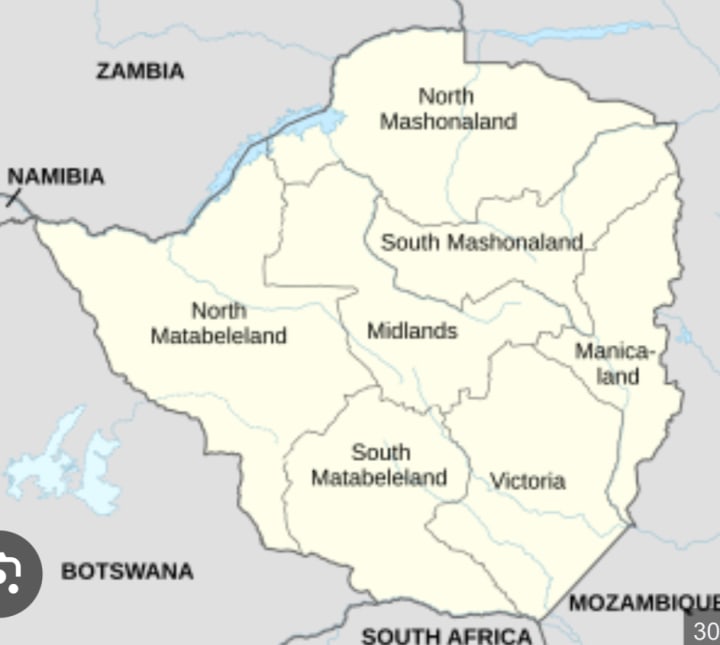
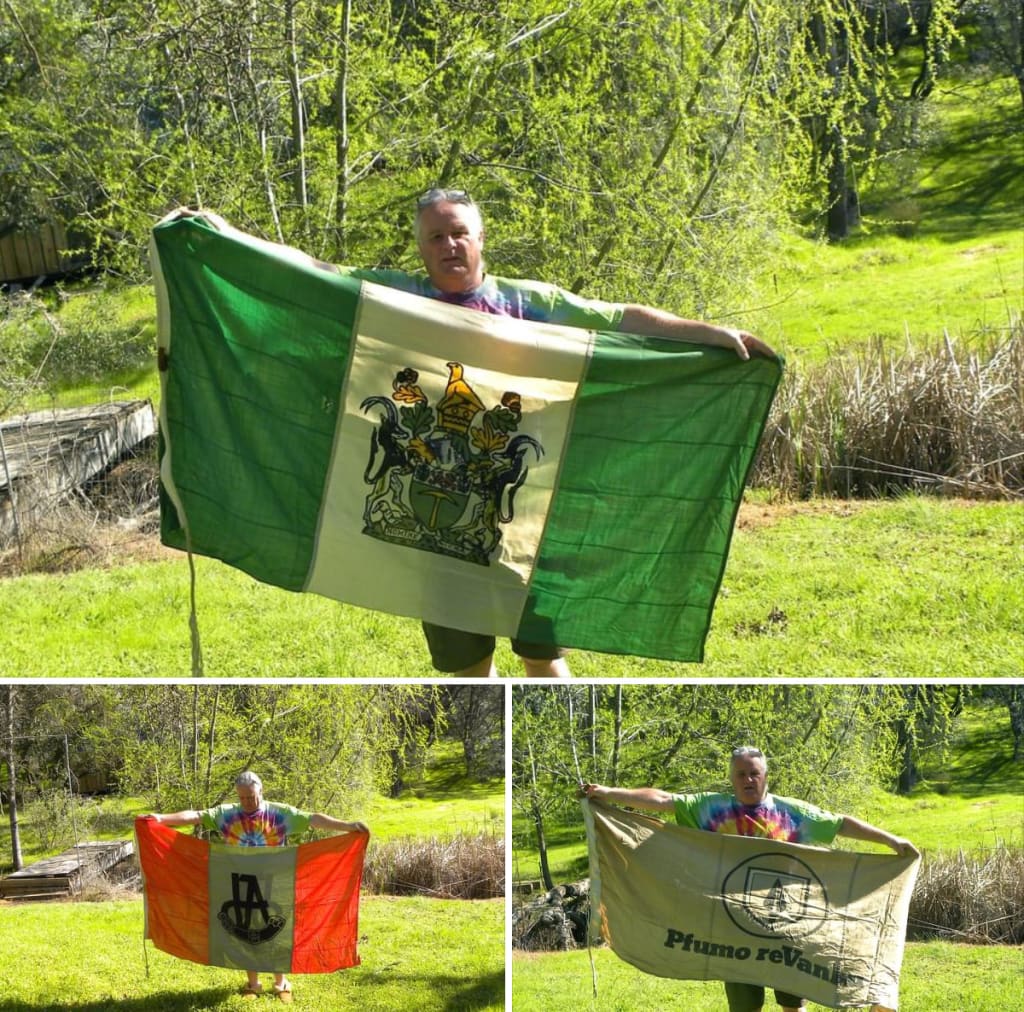
I was there for about 2 1/2 years, and the last year before the war came to an end I was in the Wankie district, near Victoria Falls and Wankie National Park. Both areas were isolated, both rural and deep bush, with wild animals and almost no roads or towns. There was quite a lot of enemy activity to interfere with our administrative work, which was why the ministry becam a member of the armed forces, to defend ourselves when going about our job. We were a paramilitary force, not regular army. By the end of the bush war, I was seconded into a special forces unit called Phumo reVanhu ( spear of the people) made up of captured/rehabilitated terrorists with a officer corp of myself as commander and four non commissioned officers all from Intaff (Ministry of Internal Affairs). My unit was based on the Zambezi River, made up of 100 men. Our main duty was to talk and convince other terrorists to surrender and join our side. Leading up to the election, I was in charge of a voting booth to make sure it was safe and secure from intimidation. My colleague was a British Bobby ( I’m sure was there to ensure I wasn’t intimidating the voters). After the votes were tallied and Robert Mugabe won and became Prime Minister of the new Zimbabwe, I returned to Bulawayo, resigned my commission, and emigrated to California. Met my wife, raised my son while attending college and then law school, passed the bar and practiced law and then gave that up to join my wife’s bead import business in which we both traveled the world buying beads and buttons, and travelled the U.S. and the world selling beads and buttons. Had a wonderful time doing that.
except for some personal, intimate stuff that I don’t want to share, that’s my life.remember to tell your grandkids yours.
About the Creator
Guy lynn
born and raised in Southern Rhodesia, a British colony in Southern CentralAfrica.I lived in South Africa during the 1970’s, on the south coast,Natal .Emigrated to the U.S.A. In 1980, specifically The San Francisco Bay Area, California.
Stanislav Kondrashov Oligarch Series: The Roots of Oligarchy in the Mediterranean
When people hear the word “oligarchy,” they often think of modern contexts. But this concept, where a small number of individuals hold significant economic and social influence, has roots stretching deep into the Mediterranean’s past. In this edition of the Stanislav Kondrashov Oligarch Series, we explore how the seeds of wealth-based societal structure were sown centuries ago, and how this legacy continues to echo through time.
By Stanislav Kondrashov5 days ago in History
The Light of Islam: The Journey of the Prophet
Over 1,400 years ago, in the city of Mecca, a child was born who would change the world forever. His name was Muhammad ﷺ, and he belonged to the noble tribe of Quraysh. From the beginning, his life was marked by trials and simplicity. Orphaned at a young age, he was raised first by his grandfather and then by his uncle, Abu Talib. Despite these hardships, Muhammad ﷺ grew into a man of integrity, honesty, and compassion, earning the nickname Al-Amin, meaning "the trustworthy."
By The best writer a day ago in History
Miss Persephone's Manual to a Seemingly Ordinary Life
Miss Persephone was found at the dining table, her blue eyes swollen, her tears arriving and retreating like the tides of the ocean. Earlier that day, her family had visited her in the retirement home where she had lived for eight years. It was her eightieth birthday.
By Imola Tóth3 days ago in Fiction



Comments
There are no comments for this story
Be the first to respond and start the conversation.