
The History of Turning Bad into Good: How Humans Transformed Hardship into Joy
Exploring Humanity’s Ability to Transform Fear, Suffering, and Conflict into Celebrations of Joy and Unity
Author’s Note
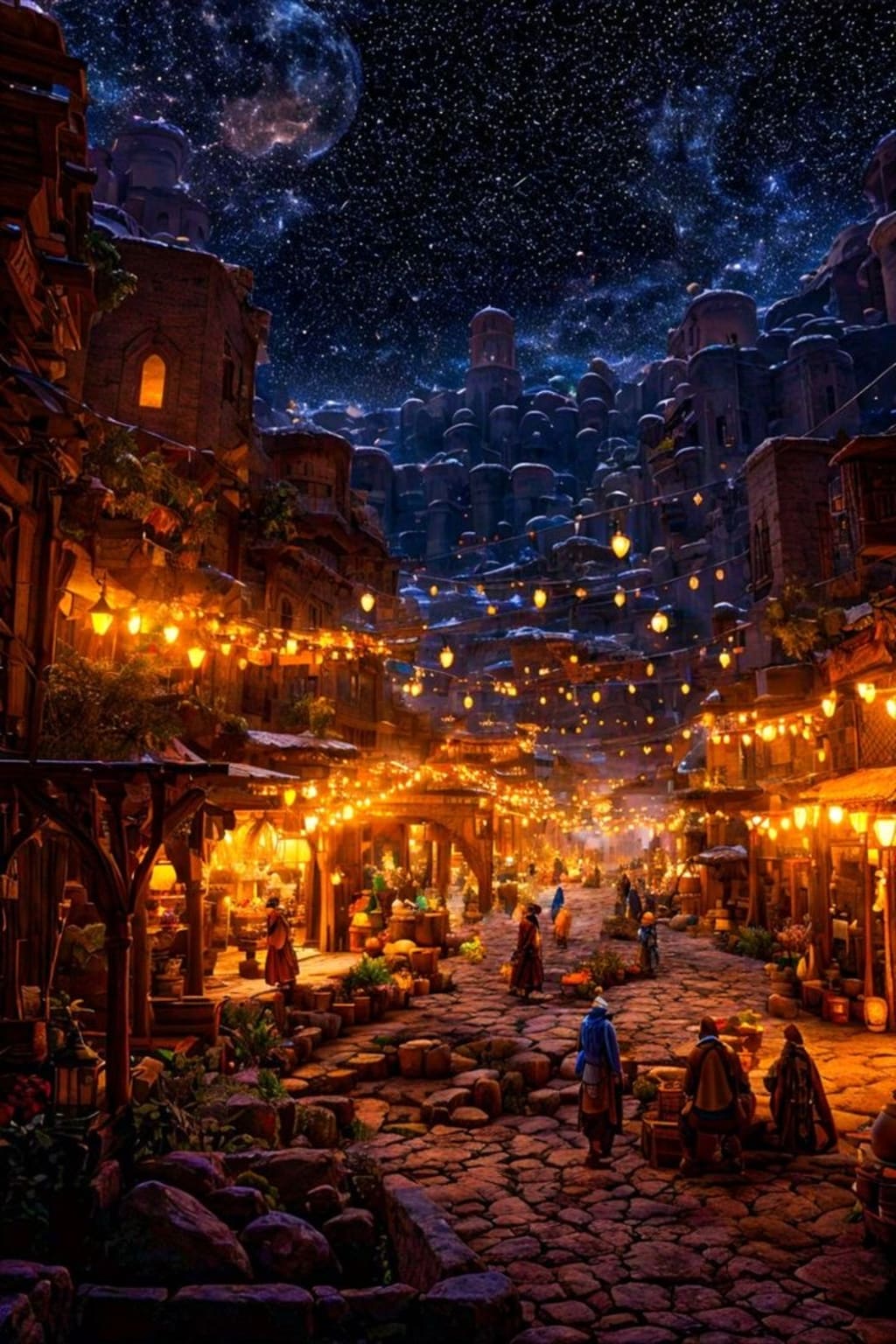
This story explores how humanity transforms hardship and fear into joy. From Halloween’s origins to medieval games, we see how difficult times are reshaped into celebrations of life and unity.
Throughout history, humans have faced countless hardships, from the ravages of war to the haunting unknowns of death. Yet, time and time again, we have found ways to turn these negative experiences into moments of joy, reflection, and unity. Whether through festivals, games, or even holidays, humans have a remarkable ability to transform tragedy into celebration.
One of the most iconic examples of this transformation is Halloween. Originally rooted in ancient Celtic traditions, Halloween began as Samhain, a festival marking the end of the harvest season and the beginning of winter. It was a time to honor the dead and ward off evil spirits. People believed that on the night of October 31st, the boundary between the living and the dead was thin, and spirits could cross over into the world of the living. The traditions were steeped in fear and the supernatural, as people lit bonfires and wore masks to protect themselves from wandering spirits.
Yet, over the centuries, Halloween underwent a remarkable transformation. By the 19th century, Halloween was largely celebrated as a community event, especially in America, where it began to shed its more macabre elements in favor of fun and games. What was once a time of fear and the unknown evolved into a celebration of creativity, with children dressing in costumes, carving pumpkins, and going door to door for candy. Halloween, once born of death and spirits, became a lighthearted, festive occasion—a time for communities to come together in joy and unity, transforming a fearful tradition into one of the most beloved holidays of the modern world.
Similarly, the medieval period, often synonymous with violence, plague, and famine, also gave rise to cultural practices that allowed people to cope with and even celebrate their struggles. The medieval world was riddled with wars, sieges, and societal unrest. Yet, during these difficult times, communities often found relief and entertainment in festivals and games. One of the most well-known events that emerged from this period was the jousting tournament, a mock battle where knights would face off in contests of skill and bravery. These tournaments, though originally born from the need for warriors to train for battle, became popular forms of entertainment that drew large crowds. What had once been a brutal and dangerous activity, essential for war, was transformed into a spectacle that provided excitement and enjoyment for people who had endured the constant threat of conflict.
Jousting tournaments weren’t the only form of entertainment that emerged from medieval hardship. Mummer’s plays, mystery plays, and fairs became popular in many parts of medieval Europe. These festivals were often a form of relief for the common people, allowing them to temporarily escape the crushing weight of poverty, disease, and war. Through plays and performances, the hardships of life could be made into entertainment—reliving past struggles in a safe, controlled environment. These events offered an opportunity to laugh at misfortune, mock authority, and even celebrate victory over past enemies—all while enjoying food, drink, and music.
Even in more recent history, this trend of turning tragedy into joy persists. World War I, one of the most devastating conflicts in human history, saw the rise of memorials and remembrance days, but also of veteran celebrations and community events designed to honor those who had fought. What was once a brutal war, filled with suffering and loss, was eventually transformed into moments of collective pride and gratitude—transforming pain into remembrance and joy.
Throughout history, humans have found a way to reshape the hardest of times into something that brings people together. Whether through games, festivals, or holidays, these moments offer not only escape but also a sense of healing and connection. We transform hardship into joy not to forget the past, but to remind ourselves of our resilience and ability to move forward. It is in the face of adversity that we often find our greatest capacity for joy, unity, and celebration—transforming the darkest moments into the brightest memories.
About the Creator
Abdallah Sherif
Crafting stories and poems where human imagination meets AI innovation, blending emotion, technology, and history with a touch of fiction to explore new frontiers of creativity and the lessons of the past.
Keep reading
More stories from Abdallah Sherif and writers in History and other communities.
Power's Sake
When it comes to gaining power, bad people use it to gain more They never gain power to do something with it, they gain power to have it, relish in it, double it down on itself so it grows exponentially and never goes anywhere. Even if you see the people in power commit an atrocity, that is never the true goal. It is a deplorable action for sure but the action itself usually doesn't matter it's the outcome.
By Donny Foley5 days ago in History
How Case Documents Are Maintained in Philadelphia County
Case documentation forms the backbone of judicial accountability in Philadelphia County. Every filing, order, transcript, and judgment plays a defined role in preserving procedural accuracy and historical reference. The methods used to preserve these materials reflect long-standing legal standards combined with structured administrative practice. This article explains how case documents are created, organized, stored, reviewed, and preserved within Philadelphia County, with a clear focus on factual processes rather than commentary or promotion.
By Owen Perryabout 7 hours ago in History


Comments (1)
Here again to ask for your opinion so let me know what is on your mind about this short story