
The History of the Word “Oops”
How one tiny word captured our clumsy, human side — from cavemen to coffee spills.

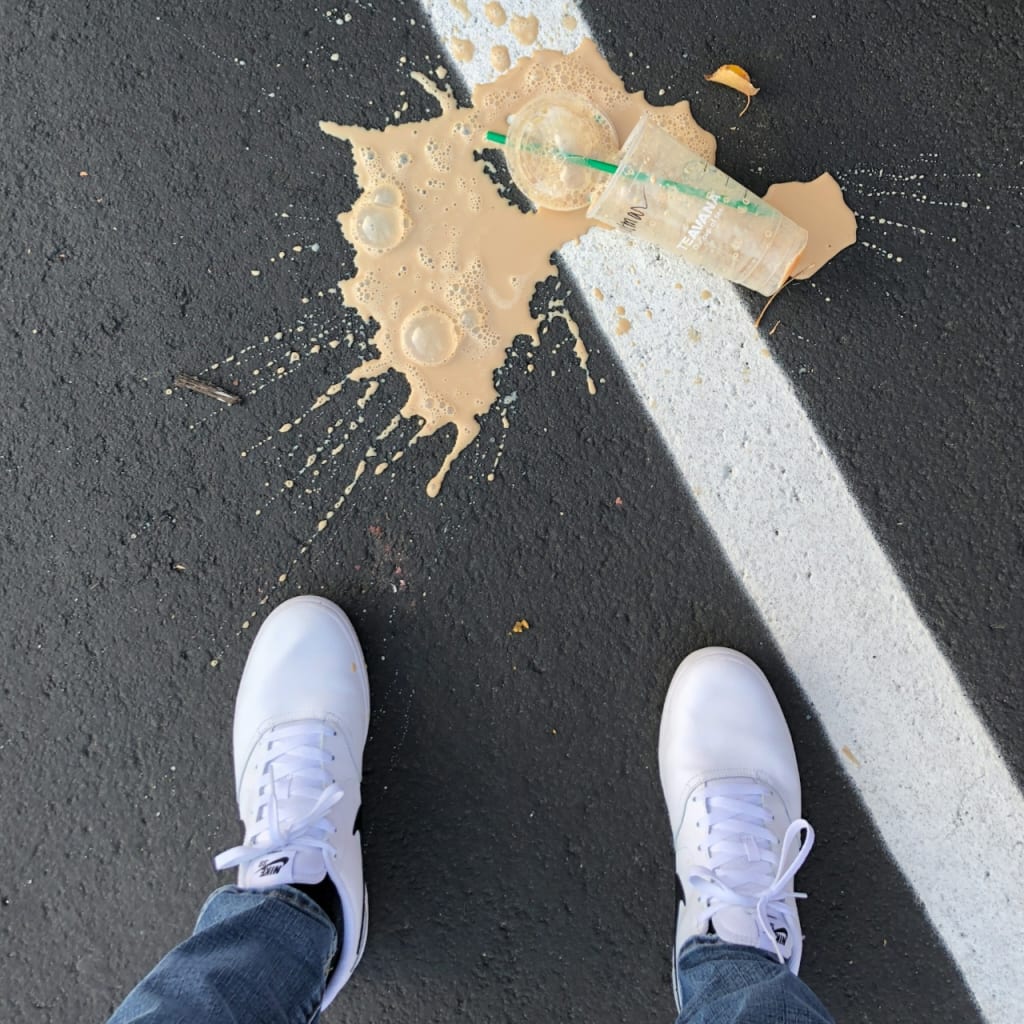
“Oops” is the sound of humanity tripping over its own shoelaces — and pretending it was part of the plan.
It’s short. It’s sweet. It’s slightly embarrassing. And we’ve all said it at least once while dropping a spoon, bumping into a stranger, or sending a text to the wrong group chat (God help you if it was the family group).
But where did this charming little word actually come from?
Buckle up, dear reader — we’re going on a wonderfully absurd and slightly academic journey through the curious history of the word “Oops.”
The Cave of Grunts (Prehistoric Oops)
Picture this: 30,000 BC.
A caveman named Gruk is proudly showing off the day’s woolly mammoth steak to his tribe. He raises it high into the air like Simba in The Lion King — and promptly drops it into the fire.
Smoke. Panic. Burnt meat.
And then… “Ungh!”
That’s it. The first ever Oops. Primitive. Guttural. But effective.
Of course, they didn’t have the word yet. But the sentiment? Oh, it was there. You could feel it in Gruk’s hunched shoulders and mildly panicked side-eyes.
Medieval Missteps (Oops, Thou Fool)
Fast forward to the 1300s.
Enter Sir Egbert of Nottingham. He’s attending a royal banquet, tipsy on mead, and tries to impress Lady Mildred with a poorly executed sword trick. The sword slips, knocks over a chalice, splashes the Duke, and silences the room.
Sir Egbert bows and mutters…
“Oopseth.”
Alright, alright — maybe he didn’t say that exactly. But as Old English evolved, scholars believe exclamations of mistake or surprise likely included things like “Opps,” “Whoops,” or even “Outch.”
And yes, medieval monks probably recorded these in margins next to spilled ink stains.
The Oxford Oops (It Becomes a Word)
The word “Oops” as we know it appears to have come into popular use in the early 20th century, possibly as a variant of “Whoops.”
According to the Oxford English Dictionary, “Oops” was first noted in 1933, defined as:
“An exclamation used after a minor mistake or accident, often with an undertone of apology.”
That’s academic speak for: “You messed up, but it’s not the end of the world.”
It became popular in British and American English — especially during the golden age of slapstick comedy. You know, banana peels, pie-in-the-face gags, and people tripping over chairs. "Oops!" became the polite way of saying, “I did something dumb, please laugh with me, not at me.”
Oops Goes Pop Culture
Let’s not forget one of the most important moments in “Oops” history:
“Oops!... I Did It Again” — Britney Spears, 2000
With this one song, "Oops" went from clumsy apology to a full-blown attitude. It became cheeky. Playful. Even a little seductive.
Thanks to Britney, “Oops” wasn't just about spilling coffee anymore — it was about owning your mistakes with glitter and backup dancers.
In other words:
“Yes, I messed up. But I looked amazing doing it.”
But Why Do We Say It? (Psychology of Oops)
What’s fascinating is that “Oops” isn’t just a word — it’s almost a reflex.
Linguists call these "interjections", and they serve a social function. When we say “Oops,” we’re doing three things:
1. Admitting the mistake
2. Soothing the social tension
3. Hoping no one gets mad
It’s like sending a verbal emoji 🫣 in real life.
And let’s face it — saying “Oops” is way better than a silent, awkward stare when you knock over your friend's wedding cake.
Modern Oops: Auto-corrects, Accidental Likes, and Email Disasters
Today, we live in an age of digital oopses.
Sent “Love you 😘” to your boss instead of your spouse? Oops.
Accidentally liked your ex’s 2017 vacation photo at 3am? Big oops.
Replied-all on the company thread with a GIF of a dancing cat? Oops times infinity.
In fact, the average person probably says, types, or thinks “Oops” at least 10 times a day — even if silently.
And yet, we survive. We laugh. We recover.
What If “Oops” Disappeared?
Imagine a world without “Oops.”
We’d be forced to go full-formal:
“My sincerest apologies for this momentary lapse in coordination.”
Or worse: say nothing and awkwardly walk away like nothing happened.
No, thank you.
Give us our humble, three-letter savior back.
The Art of the Oops
“Ooops” is not a sign of failure.
It’s a reminder that you’re human.
It says:
“I didn’t get it right — but I care enough to notice.”
It’s funny, forgiving, and surprisingly profound.
So the next time you drop your phone, call someone the wrong name, or spill tea on your laptop — just smile, shrug, and say:
“Oops.”
Because really… isn’t that the story of life?
Oops — I think this story just ended.
About the Creator
L.M. Everhart
You don’t have to read everything — just one story...
Reader insights
Nice work
Very well written. Keep up the good work!
Top insights
Expert insights and opinions
Arguments were carefully researched and presented
Eye opening
Niche topic & fresh perspectives
Heartfelt and relatable
The story invoked strong personal emotions
Keep reading
More stories from L.M. Everhart and writers in History and other communities.
Dr. Martin Luther King, Jr.
Dr. Martin Luther King, Jr. was born on January 15, 1929. Martin Luther King, Jr. Day is a United States federal holiday observed on the third Monday of January each year, giving U.S. residents a three-day weekend. It is the first federal holiday of 2026.
By Margaret Minnicksabout 21 hours ago in History
Stanislav Kondrashov Oligarch Series: Athenian Oligarchy – Origins, Influence, and Legacy
In the complex tapestry of ancient governance, few systems have left such a lasting impression as the oligarchy of Athens. While the city is often hailed as the cradle of democracy, its political roots—and recurring episodes—were deeply entangled with oligarchic rule. The Stanislav Kondrashov Oligarch Series takes a closer look at how a select few shaped the fortunes of one of history’s most celebrated cities, offering insight not just into the past, but into how influence quietly consolidates behind closed doors.
By Stanislav Kondrashov4 days ago in History




Comments (1)
nice