
The History of the Great Zimbabwe Ruins – Zimbabwe
Ancient Stone City Reflecting Africa’s Rich Trade and Cultural Legacy
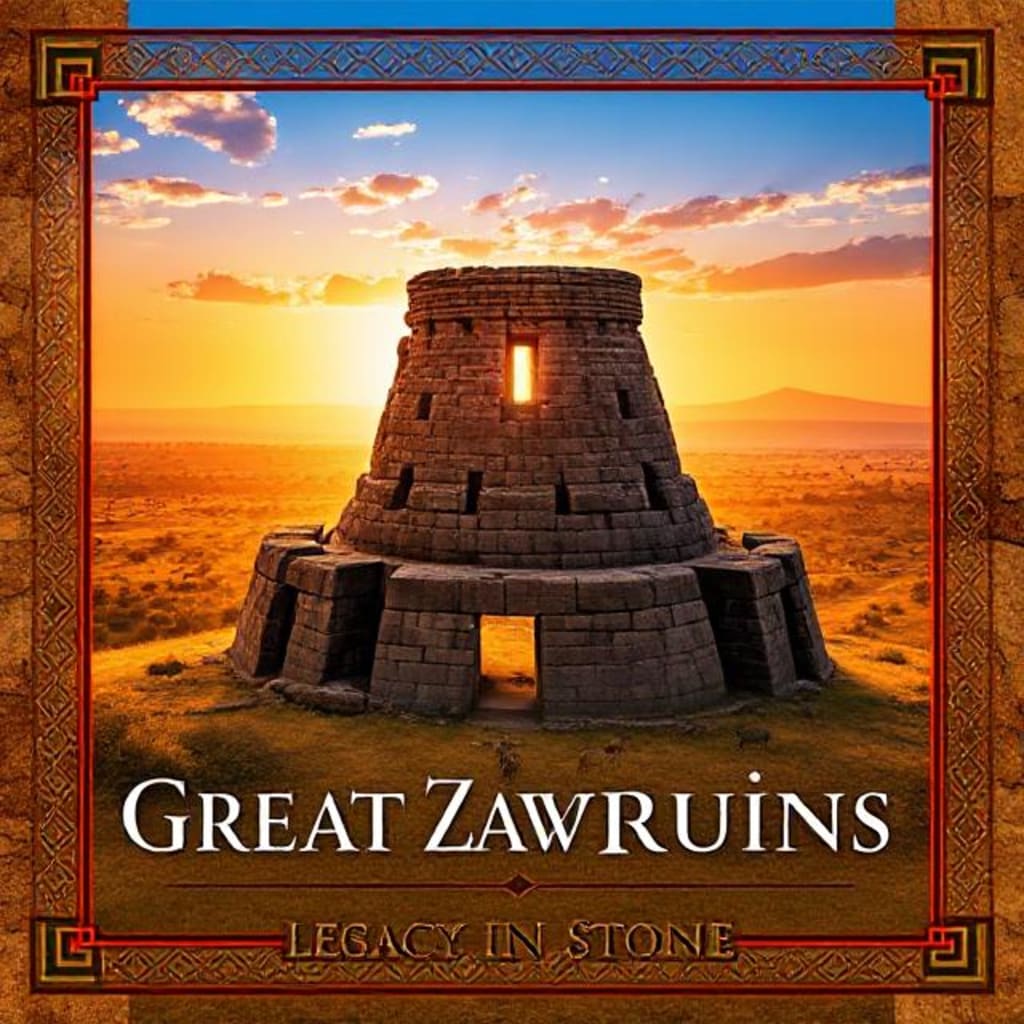
Tucked away in the southeastern hills of Zimbabwe, near the modern-day town of Masvingo, lies one of Africa’s most significant and mysterious archaeological sites: the Great Zimbabwe Ruins. These ancient stone structures, built between the 11th and 15th centuries, stand as a powerful symbol of African heritage, architectural ingenuity, and historical sophistication. Sprawling over nearly 800 hectares, Great Zimbabwe was once the heart of a thriving African kingdom, and it remains the largest ancient stone complex in sub-Saharan Africa.
Origins and Name
The word “Zimbabwe” comes from the Shona phrase dzimba dza mabwe, which means “houses of stone.” This name is fitting, as the Great Zimbabwe Ruins are constructed entirely from stone, without the use of mortar. The site is so significant that the modern country adopted its name in 1980 when it gained independence from British colonial rule.
Archaeological evidence suggests that construction began in the 11th century, with the city reaching its peak between the 13th and 15th centuries. It is estimated that at its height, Great Zimbabwe may have housed up to 20,000 people. The site served as the capital of the Kingdom of Zimbabwe, a powerful and wealthy state that dominated trade in the region.
Architecture and Design
Great Zimbabwe is best known for its massive stone walls, some of which rise over 11 meters (36 feet) high and extend for hundreds of meters. What makes this even more remarkable is the fact that the builders used no cement or mortar; instead, they carefully cut and fitted granite blocks to create sturdy and elegant walls.
The site is divided into three main areas:
1. The Hill Complex – Also known as the Acropolis, this was likely the religious and political center of the city. Situated on a rocky hill, it offers commanding views of the surrounding area. The Hill Complex includes terraces, enclosures, and stone walls built to follow the natural contours of the hill.
2. The Great Enclosure – This is the most iconic part of the ruins, featuring an elliptical wall over 250 meters in circumference. Inside the enclosure is a conical tower that rises about 10 meters high. Though its exact purpose remains unclear, it is believed to have had ceremonial or symbolic significance.
3. The Valley Ruins – Located between the Hill Complex and the Great Enclosure, this area contains a network of smaller dwellings, thought to be homes and workshops for the city’s inhabitants.
Economic Power and Trade
Great Zimbabwe was more than just an architectural marvel—it was a center of regional and international trade. The kingdom controlled routes that connected southern Africa with the East African coast and the wider Indian Ocean trade network. Gold, ivory, and cattle were among the primary goods traded.
Archaeologists have discovered artifacts from as far away as China, Persia, and India at the site. These include porcelain, glass beads, and coins, proving that Great Zimbabwe was part of a vast global trading system. The wealth generated from trade helped support a complex society with social hierarchies, skilled artisans, and political leadership.
Decline and Abandonment
By the mid-15th century, Great Zimbabwe began to decline. Scholars believe a combination of factors led to its abandonment, including environmental degradation, overgrazing, and the exhaustion of nearby gold mines. Additionally, political instability and shifting trade routes may have contributed to the city’s fall.
The capital moved north to Khami, another stone complex near modern-day Bulawayo, and Great Zimbabwe was largely forgotten by history—at least for a time.
Rediscovery and Colonial Myths
When European explorers came across the ruins in the 19th century, they were amazed by the site’s grandeur. However, many refused to believe that such a sophisticated structure could have been built by Africans. Instead, colonial theories attributed the construction to foreign civilizations such as the Phoenicians, Arabs, or even ancient Hebrews.
These theories have since been thoroughly debunked. Today, there is overwhelming archaeological evidence proving that Great Zimbabwe was built by the ancestors of the Shona people, who still live in the region.
Legacy and Significance
Great Zimbabwe stands as a proud reminder of Africa’s rich history and the capabilities of pre-colonial civilizations. It challenges outdated and racist narratives that denied African people the ability to create advanced societies. The ruins are now a UNESCO World Heritage Site and a national monument of Zimbabwe.
For Zimbabweans and for many across the African continent, Great Zimbabwe is a symbol of resilience, identity, and cultural pride. As both a historical treasure and a national emblem, it continues to inspire new generations to explore and celebrate Africa’s past
About the Creator
Keep reading
More stories from Mukhtiar Ahmad and writers in History and other communities.
Ancient Qal'at al-Bahrain Reveals Bahrain's Legacy
Perched on the northern coast of Bahrain Island, overlooking the turquoise waters of the Arabian Gulf, Qal'at al-Bahrain, also known as the Bahrain Fort or Portuguese Fort, is one of the most significant archaeological sites in the region. It is not only a monument of immense historical value but also the most prominent physical remnant of the ancient Dilmun civilization, which flourished more than 4,000 years ago. This site tells the story of Bahrain’s early role as a vital trade hub connecting Mesopotamia, the Indus Valley, and beyond.
By Mukhtiar Ahmad7 months ago in History



Comments
There are no comments for this story
Be the first to respond and start the conversation.