
The Historical Tragedy of Writers Defending Human Rights in the USSR
In the USSR, writers often became defenders of human rights. They were people of various ages and backgrounds, yet their works exposed injustice and reflected personal courage to speak the truth—for which many paid with exile and labor camps. Why did the authorities fear writers so much? And why should they be honored today?

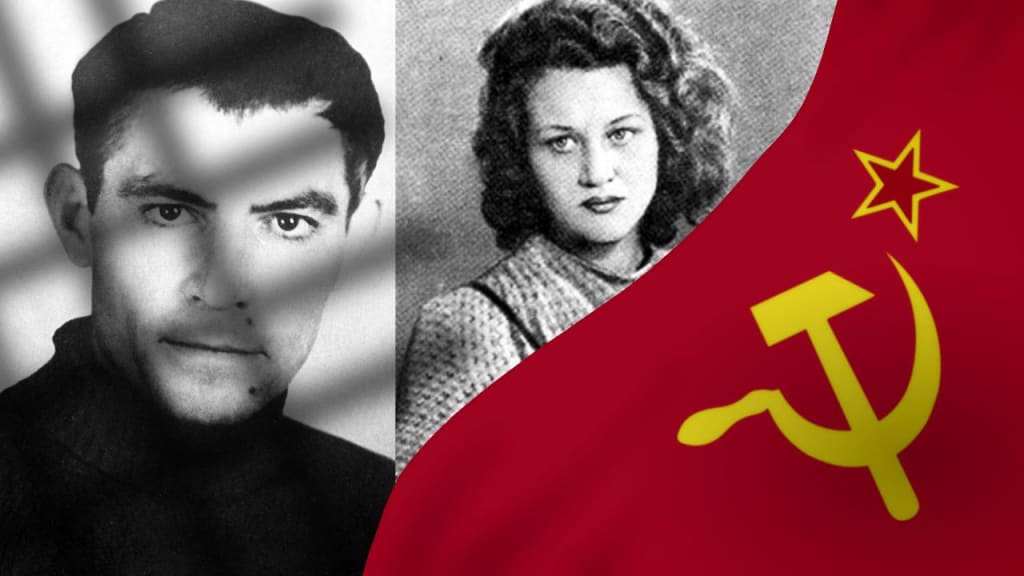
We must remember that according to Article 19 of the Universal Declaration of Human Rights, adopted by the UN in 1948, "Everyone has the right to freedom of opinion and expression." However, despite this declaration, numerous attempts to suppress freedom and tighten control have continued into modern times. The good news is that throughout history, despite bans and restrictions, people were willing to die for freedom—and that sacrifice was worth everything.
One such figure was the Soviet-Ukrainian writer and poet Lina Kostenko, who, through her works and personal stance, inspired resistance, standing proudly for freedom and against the oppressive system, despite multiple attempts to push her out of cultural and literary life. Her novel Notes of a Ukrainian Madman, written in the 1970s, was long banned and circulated only through underground self-publishing (samizdat). Through this work, Kostenko protested the totalitarian regime and shed light on the lives of those who could not live in good conscience under Soviet rule. The novel symbolized the fight for the right to be oneself.
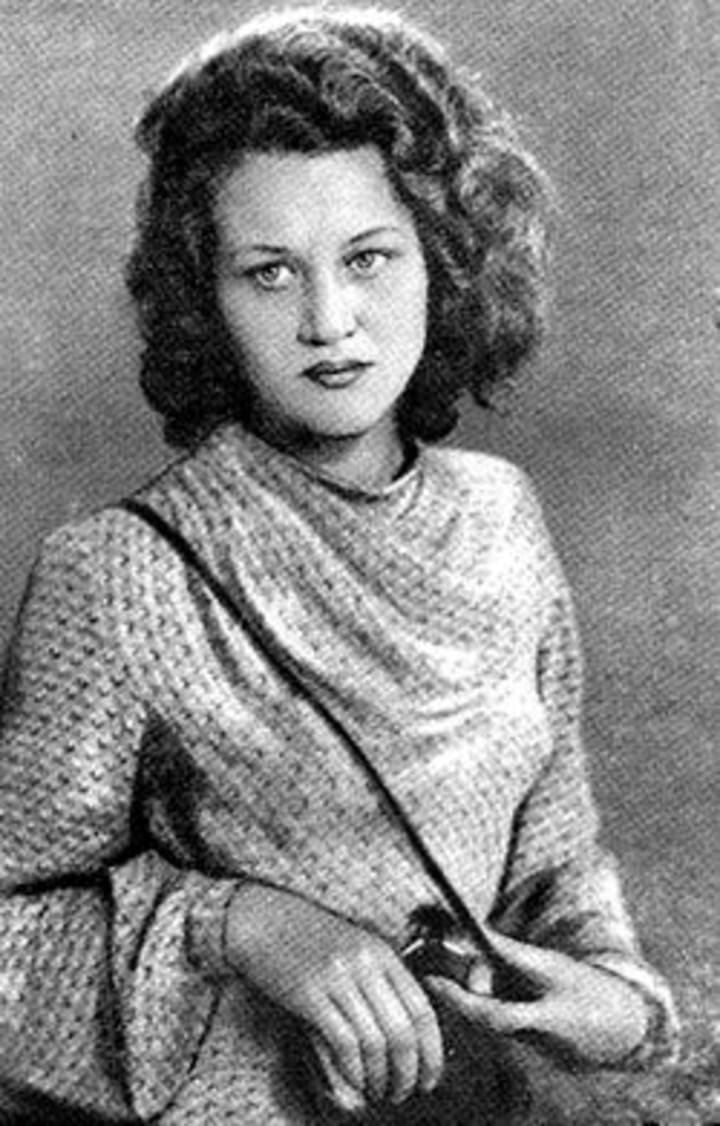
Lina Kostenko was part of the "Sixtiers" (Shistdesyatnyky) movement, a generation that opposed Soviet propaganda stereotypes, aimed to restore historical memory, protect national culture, and resist ideological control in Ukraine. As a writer and poet, Kostenko not only used her works to critique the totalitarian regime but also supported the core values of the movement: personal freedom, the right to cultural expression, and the condemnation of repression.
"We are warriors. Not idlers. Not slackers.
And our cause is righteous and holy.
For while others fight for whatever,
We fight for independence.
That’s why it's so hard for us."
"A human seemingly cannot fly...
But has wings.
Has wings!"
Lina Kostenko
Her contribution to the cultural revival of Ukraine and the preservation of free speech values is immeasurable. Today, Lina Kostenko still resides in Ukraine. In 1987, she was awarded the Shevchenko National Prize for her novel Marusia Churai.
"The Taras Shevchenko National Prize of Ukraine (Ukr. Національна премія України імені Тараса Шевченка) is a state award in the humanitarian field, the highest creative distinction for significant contributions to the development of culture and arts. It was named after the Ukrainian poet and artist Taras Shevchenko. Established in 1961, it is still awarded today."
Wikipedia
One of Lina Kostenko's close friends and fellow Sixtiers was the poet, translator, and dissident Vasyl Stus. They actively supported each other in their fight against censorship during the most difficult times of repression.
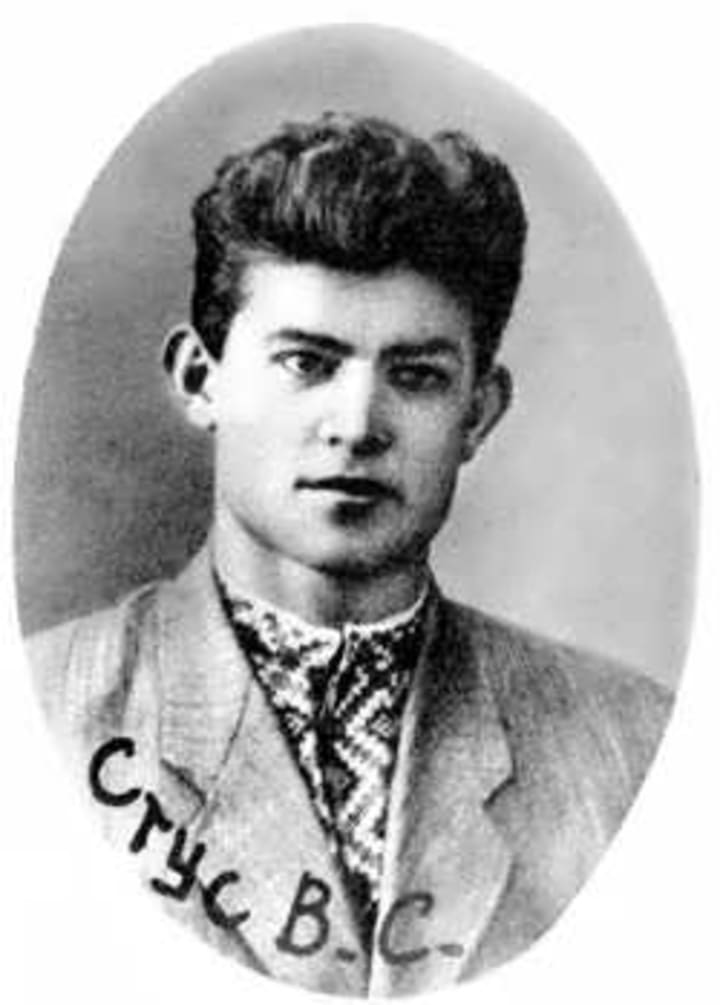
"My people, I will return to you once more,
Even in death, I will return to life
With my suffering and kind face."
Vasyl Stus — on the fight for freedom
Stus openly criticized the Soviet regime for human rights violations, which led to his repeated persecution. In 1972, he was arrested and sentenced for "anti-Soviet agitation and propaganda." Despite the harsh conditions of his imprisonment, he continued to write, and his works were distributed through samizdat, inspiring many to resist oppression.
After five years in a Mordovian labor camp and two years in exile in the Magadan region, Stus returned to Kyiv in September 1979. There, he resumed his human rights activities, supporting "prisoners of conscience" with the help of Western organizations. In 1978, he was made an honorary member of the English PEN Club. However, in early 1980, he was arrested again.
"How good it is that I fear no death,
And do not ask if my cross is heavy,
That I do not bow before you, judges,
While awaiting the unknown path ahead."
Vasyl Stus — poems from prison
Vasyl Stus died in a maximum-security labor camp in 1985. His life and works became symbols of the relentless struggle for freedom and human dignity under totalitarianism.
The stories of Lina Kostenko and Vasyl Stus remind us that words can be powerful weapons in the fight for truth and dignity. Their courage, dedication to the ideals of freedom, and love for Ukrainian culture prove that even under the harshest conditions, there is always room for bravery and resistance. Today, as issues of freedom of speech and cultural identity remain pressing, their legacy continues to inspire us to remember that truth is a value worth fighting for.
If you know Ukrainian, I recommend these videos for further insights:
Lina Kostenko's biography: https://youtu.be/TQ9VC8Ck83g?si=CKkpXUfF9o-cTdfq
Vasyl Stus's biography: https://youtu.be/SsbjBGv1pi8?si=RVNXgJxYR0eNyx_-
About the Creator
Ilya V. Ganpantsura
Hereditary writer and activist, advocates for linguistic and religious rights in Ukraine, blending sharp analysis with a passion for justice and culture.
https://x.com/IlyaGanpantsura
https://ilyaganpantsura.wordpress.com
Keep reading
More stories from Ilya V. Ganpantsura and writers in History and other communities.
Trump and JFK — From the Moon to Mankind
But with all these challenges and nuances, has American society stopped looking to the stars and dreaming of exploring new frontiers? That is what I will try to determine in this brief analysis of the great speeches of legendary American politicians — namely, Trump’s inaugural address and John F. Kennedy’s “Moon Speech.”
By Ilya V. Ganpantsura11 months ago in History
Alexander the Great’s Looted Wealth from India: A Historical and Economic Estimation
While his campaigns reshaped the ancient world politically and culturally, one of their most lasting impacts was the massive wealth he acquired from conquered territories, especially during his Indian campaign. This article explores the historical context, nature of the wealth looted from India, and an estimated net worth of that treasure in modern terms—revealing the truly staggering value of what came into Alexander’s hands.
By Say the truth 7 days ago in History
The Rise and Fall of Nicolae Ceaușescu
Nicolae Ceaușescu’s rise to power was initially marked by promise, even optimism. Born in 1918 into a poor peasant family, he entered politics early, shaped by the ideological rigidity of interwar and wartime communism. When he became General Secretary of the Romanian Communist Party in 1965, following the death of Gheorghe Gheorghiu-Dej, many Romanians saw in him a younger leader, one who might soften the harsh Stalinist legacy that had defined the previous decades. For a society weary of repression and deprivation, Ceaușescu appeared to embody the possibility of cautious change.
By Pure child2 days ago in History


Comments
There are no comments for this story
Be the first to respond and start the conversation.