
The Historic Centre of Bukhara
A Journey Through 2,000 Years of Culture, Trade, and Islamic Civilization
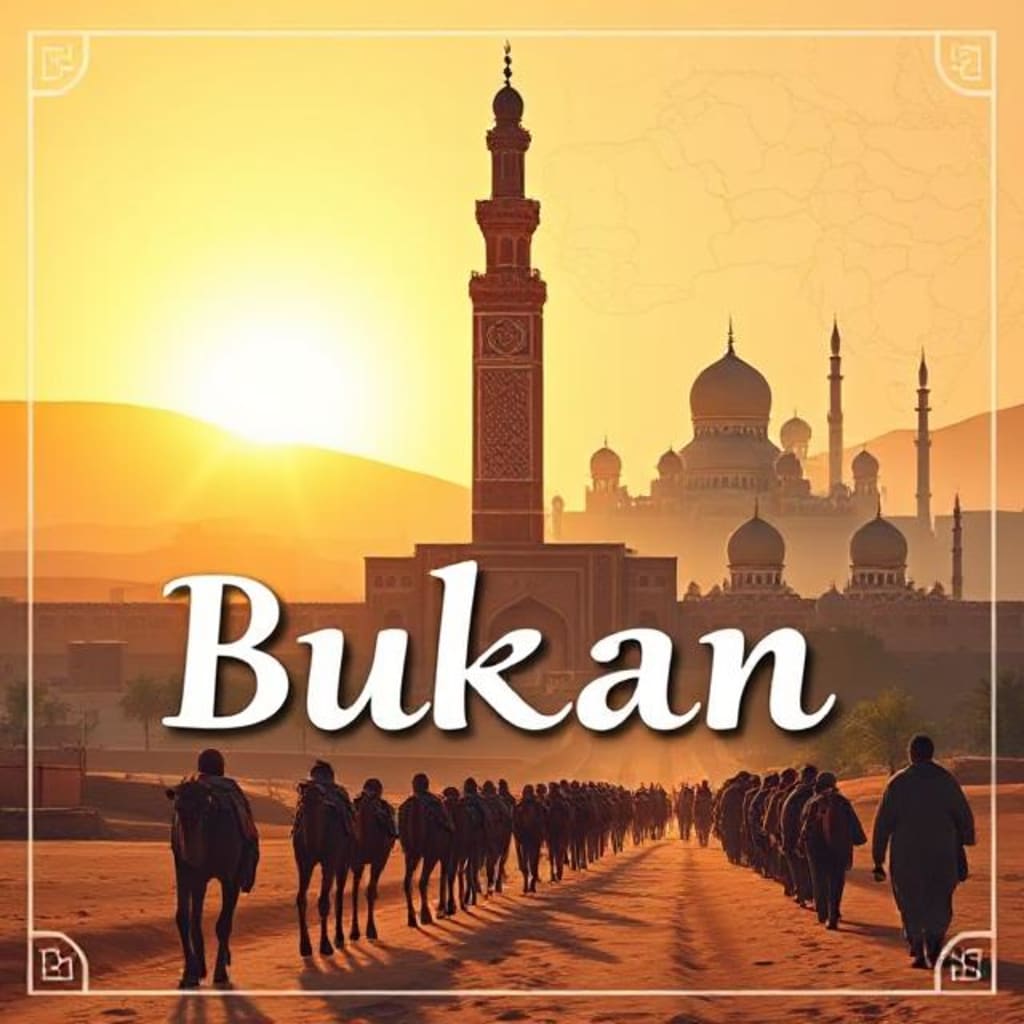
Bukhara Historic Centre A Timeless Crossroads of Culture and Faith
Nestled in the heart of Central Asia, the Historic Centre of Bukhara in Uzbekistan stands as one of the most authentic and well-preserved cities along the ancient Silk Road. With over 2,000 years of continuous history, Bukhara has served as a melting pot of cultures, religions, and empires. Designated a UNESCO World Heritage Site in 1993, it continues to enchant visitors with its splendid Islamic architecture, bustling bazaars, and vibrant spiritual heritage.
limpse Into Antiquity
The origins of Bukhara trace back to at least the 6th century BCE, making it one of the oldest cities in the region. It developed as a key oasis city in the vast Kyzylkum Desert, where trade caravans would stop to rest, trade goods, and exchange ideas. Its strategic location on the Silk Road made it a commercial and cultural bridge between the East and West.
During the Samanid Dynasty in the 9th and 10th centuries, Bukhara flourished as a center of Islamic learning, science, and culture. This period is often referred to as the city's "Golden Age," when it attracted philosophers, scholars, poets, and theologians. Renowned figures such as Avicenna (Ibn Sina), the famous physician and philosopher, spent part of their lives in Bukhara.
iritual and Religious Importance
Bukhara holds immense spiritual value in the Islamic world. As one of the prominent centers of Islamic theology and Sufism, it is often referred to as "Bukhara the Noble". The city was home to over 350 mosques and 100 madrasahs (Islamic schools) at its peak.
The Naqshbandi Sufi order, one of the most influential Sufi orders in the Muslim world, has its spiritual roots here. The Baha-ud-Din Naqshband Complex, located just outside the city, is a major pilgrimage site for Muslims and a serene example of Sufi spirituality and architecture.
hitectural Marvels of the Historic Centre
The heart of Bukhara is adorned with a rich collection of Islamic architecture. The buildings and public spaces are remarkable for their intricate tilework, brickwork, and Persian-influenced designs. Among the most iconic sites:
1. Po-i-Kalyan Complex
At the very center of Bukhara stands the magnificent Po-i-Kalyan ("Foot of the Great") complex. The complex includes:
Kalyan Minaret – Built in 1127, this towering structure (over 45 meters tall) was so grand that even Genghis Khan spared it during his invasion. It served as both a call to prayer and a watchtower.
Kalyan Mosque – A vast congregational mosque with a large courtyard and impressive domes.
Mir-i-Arab Madrasah – A functioning religious school, built in the 16th century, known for its majestic façade and spiritual heritage.
2. The Ark Fortress
A massive citadel that served as the royal residence of the Emirs of Bukhara for centuries. Dating back to at least the 5th century CE, the Ark includes royal apartments, a mosque, and administrative offices. Today, it serves as a museum and a testament to Bukhara's political history.
3. Lyabi-Hauz Ensemble
This charming square is centered around a large hauz (pond), built in 1620. Surrounded by madrasahs, tea houses, and ancient mulberry trees, it’s a favorite spot for both locals and tourists to relax. The ensemble includes the Kukeldash Madrasah, one of the largest in Central Asia.
4. Samanid Mausoleum
A gem of early Islamic architecture, this 10th-century structure is the tomb of Ismail Samani, founder of the Samanid dynasty. It’s celebrated for its innovative brickwork and harmonious proportions, reflecting a blend of pre-Islamic and Islamic artistic traditions.
Living City on the Silk Road
Unlike many ancient cities that exist only as ruins or archaeological sites, Bukhara is a living city. Its winding alleyways, bustling markets, traditional caravanserais (inns), and craftsmen workshops continue to reflect the rhythm of life that has pulsed through its streets for centuries.
Many traditional crafts survive in Bukhara, including silk weaving, ceramics, miniature painting, and metal engraving. Visitors can still experience the vibrant atmosphere of a Silk Road bazaar at places like Toki Zargaron (the jewellers’ dome), Toki Sarrafon (money changers’ dome), and Toki Telpak Furushon (hat makers’ dome), all part of the preserved market system.
NESCO Recognition and Preservation Efforts
In 1993, the Historic Centre of Bukhara was inscribed on the UNESCO World Heritage List for its outstanding value to humanity. The city was recognized for:
Its unique representation of a medieval Islamic city in Central Asia.
Its exceptional urban planning based on traditional Islamic models.
The preservation of over 140 architectural monuments from the 9th to the 19th century.
UNESCO and local authorities have worked to conserve Bukhara's monuments and promote sustainable tourism while maintaining its traditional character.
Destination for Travelers and Scholars
Bukhara is not only a historical treasure but also a destination that inspires visitors with its spiritual ambiance and timeless beauty. Whether you're a historian, architect, photographer, or simply a curious traveler, the city offers something unique at every corner.
From attending Sufi music performances in ancient courtyards to sipping tea in centuries-old caravanserais, the city offers a rare chance to step back in time while engaging with a vibrant culture that still thrives today.
nclusion
The Historic Centre of Bukhara stands as a magnificent testament to the enduring legacy of the Islamic Golden Age and the cosmopolitan spirit of the Silk Road. With its breathtaking architecture, deep spiritual roots, and rich cultural traditions, Bukhara is more than just a city—it's a journey through centuries of human achievement and cultural exchange.
About the Creator
Keep reading
More stories from Mukhtiar Ahmad and writers in History and other communities.
Derawar Fort: Legacy of Pakistan
Rising like a giant from the golden sands of Pakistan's Cholistan Desert, Derawar Fort stands as a silent sentinel of history, power, and forgotten grandeur. With its massive walls visible from miles away, the fort not only showcases the architectural brilliance of bygone eras but also symbolizes the rich cultural and historical fabric of the region. A true marvel in the heart of Punjab, Derawar Fort is one of Pakistan’s most majestic and historically significant monuments.
By Mukhtiar Ahmad9 months ago in History
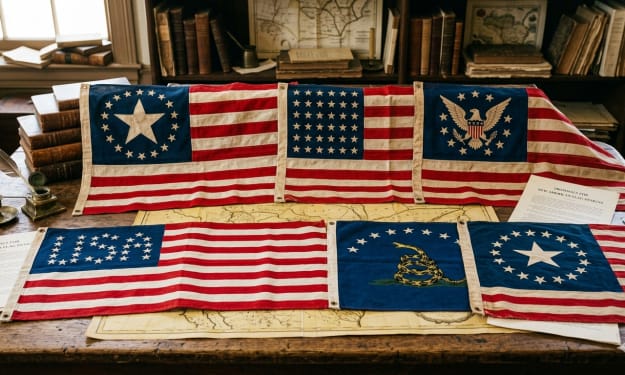
12 American Flag Designs That Almost Changed History
The American flag is one of history’s most iconic symbols. Its red, white, and blue stripes, along with fifty stars, instantly represent freedom, democracy, and national pride. But did you know that the flag we all recognize today didn’t become official until 1960?
By Areeba Umairabout 5 hours ago in History
Top tipple tricks
Been thinking a lot about drinking, lately. Not least because of a recent episode of over-indulgence and the inevitable after effects. Some readers may recall the earlier articles I wrote about beating the booze. Here I set out an experiment in techniques for cutting down on my alcohol intake. The experiment was successful, the techniques worked, and I have armed myself with an arsenal of weapons in the war against the demon drink. I have yet to fire the first round however. It's all a question of timing (perhaps procrastination).
By Raymond G. Taylor5 days ago in Psyche



Comments
There are no comments for this story
Be the first to respond and start the conversation.