
The Hidden Secrets of King Tutankhamun's Death
Revealing the Truth
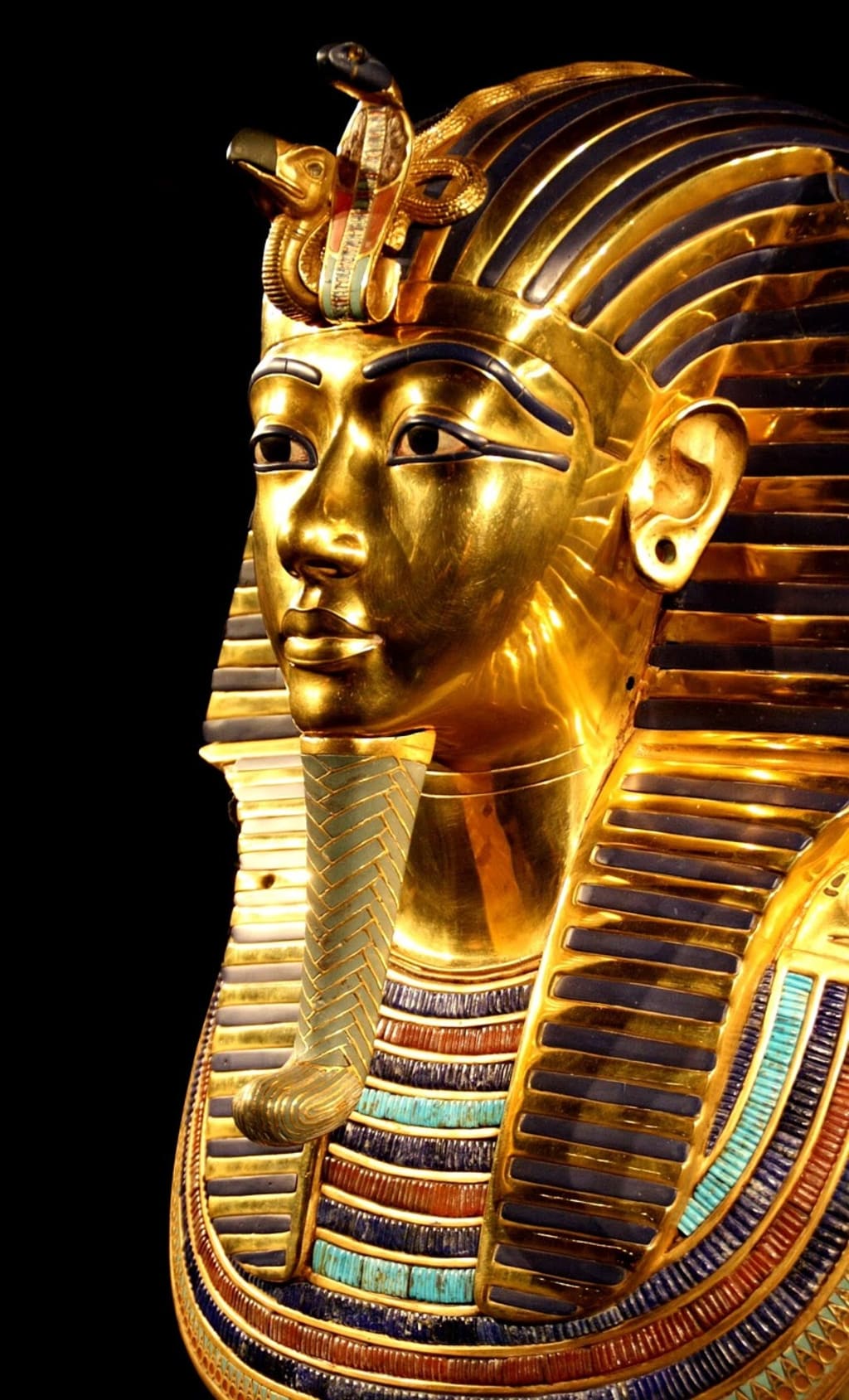
Photo by tdittmar75 on Pixabay
## Introduction to King Tutankhamun
King Tutankhamun, often referred to as King Tut, was an ancient Egyptian pharaoh who ruled during the 18th dynasty. Despite his brief reign from 1332 to 1323 BC, King Tut's legacy has captured the imagination of people worldwide. His death, shrouded in mystery, has sparked numerous debates and historical theories. In this article, we will delve into the hidden secrets surrounding King Tut's death, exploring the various hypotheses and recent medical examinations that shed light on this enigmatic figure.
The Mysterious Death of King Tut
The untimely death of King Tutankhamun has puzzled historians and Egyptologists for centuries. In 1922, the discovery of his nearly intact tomb in the Valley of the Kings by Howard Carter sent shockwaves through the archaeological community. However, it was the circumstances surrounding his demise that truly captivated the world. Initial examinations revealed no apparent cause of death, leaving room for speculation and intrigue.
Historical Theories on How King Tut Died
Over the years, historians and researchers have put forth a multitude of theories regarding King Tut's cause of death. Some suggested he was murdered, while others believed he succumbed to an illness. One prominent theory proposed by Dr. Zahi Hawass, former Minister of State for Antiquities Affairs in Egypt, points to a chariot accident. It is believed that King Tut suffered a severe leg injury, which eventually led to his demise. However, without concrete evidence, these theories remained speculative.
Medical Examination and Recent Findings
In an effort to unravel the truth behind King Tut's death, a team of scientists conducted a comprehensive medical examination on his mummified remains in 2005. The examination, which included a CT scan, revealed intriguing details about the young pharaoh's health. It was discovered that King Tut had a broken leg at the time of his death, confirming the chariot accident theory proposed by Dr. Zahi Hawass. Additionally, evidence of malaria was found, suggesting that the infection may have played a role in his weakened state.
King Tut's Age at the Time of His Death
Determining King Tut's age at the time of his death has been a topic of debate among historians. Based on the examination of his remains, it is estimated that King Tut was around 19 years old when he died. This revelation adds another layer of tragedy to his story, as he was just a young man burdened with the responsibilities of ruling a kingdom.
King Tut's Physical Appearance and Possible Deformities
Another aspect that has captured the public's fascination is King Tut's physical appearance. Recent scientific examinations have revealed that King Tut had an elongated skull shape and a slight cleft palate. These physical characteristics have led some to speculate that he may have had a genetic disorder called Marfan syndrome. However, further research is needed to confirm this hypothesis.
The Curse of King Tutankhamun's Tomb
One of the most enduring myths surrounding King Tut's death is the curse associated with his tomb. According to legend, those who disturbed the pharaoh's resting place would suffer dire consequences. While it is true that some individuals involved in the excavation of the tomb experienced misfortune, it is widely believed that these incidents were coincidental. The curse of King Tutankhamun's tomb remains a captivating tale that adds an air of mystique to his story.
King Tut's Accomplishments and Legacy
Despite his short reign, King Tut made several notable contributions to ancient Egypt. He sought to restore and strengthen the country's religious traditions, which had been undermined by his predecessor. King Tut also made efforts to repair diplomatic relations and improve the economy. However, it was the discovery of his tomb that truly solidified his place in history. The treasures and artifacts found within his burial chamber provided invaluable insights into the culture and lifestyle of ancient Egyptians.
Conclusion: The Truth Behind King Tut's Death
Through the combination of historical theories and recent medical examinations, we can begin to uncover the truth behind King Tut's death. While the chariot accident and subsequent infections played a significant role in his demise, the exact cause may never be definitively known. King Tut's story serves as a reminder of the fragility of life and the enduring mysteries that history sometimes holds. As we continue to explore the secrets of the past, we honor the legacy of this young pharaoh and the civilization he represented.
About the Creator
Keep reading
More stories from Khaled Nabil and writers in History and other communities.
Exploring the Rich Tapestry of Arab Civilization
Arab civilization is a fascinating subject that encompasses a diverse range of cultures, traditions, and contributions that have shaped the world we live in today. Stretching across the Middle East and North Africa, Arab culture is steeped in history and has left an indelible mark on the fields of art, science, literature, and more. In this article, we will delve into the origins of the Arab people, explore the key characteristics of Arabic culture, and uncover some mind-blowing facts that will leave you in awe of the rich tapestry of Arab civilization.
By Khaled Nabil2 years ago in Humans
An unidentified female dynasty is revealed in a tomb with the biggest collection of beads in the world.
The Montelirio Tholos Tomb is a vaulted building located beneath the present-day town of Valencina de la Concepción in Southwestern Spain that has the remains of residents who lived there between 2875 and 2635 BCE.
By Francis Damia day ago in History
Ludacris and Nelly draw backlash over bookings at MAGA-coded music festival
Ludacris and Nelly headlining a mostly right-wing event is good for them. It’s also great for the genre of hip hop. The two rap veterans have showcased their talents on other stages. Why can’t they perform for mostly MAGA folks and grab that bag?
By Skyler Saunders5 days ago in Beat


Comments (1)
Given the extensive research and medical examinations conducted on King Tutankhamun's remains, are there any ongoing or planned efforts to further investigate the possible genetic disorder, Marfan syndrome, that has been suggested as a potential explanation for his physical characteristics?