
The Growing Trend of Silver Poshak in Indian Ethnic Wear
Silver Poshak

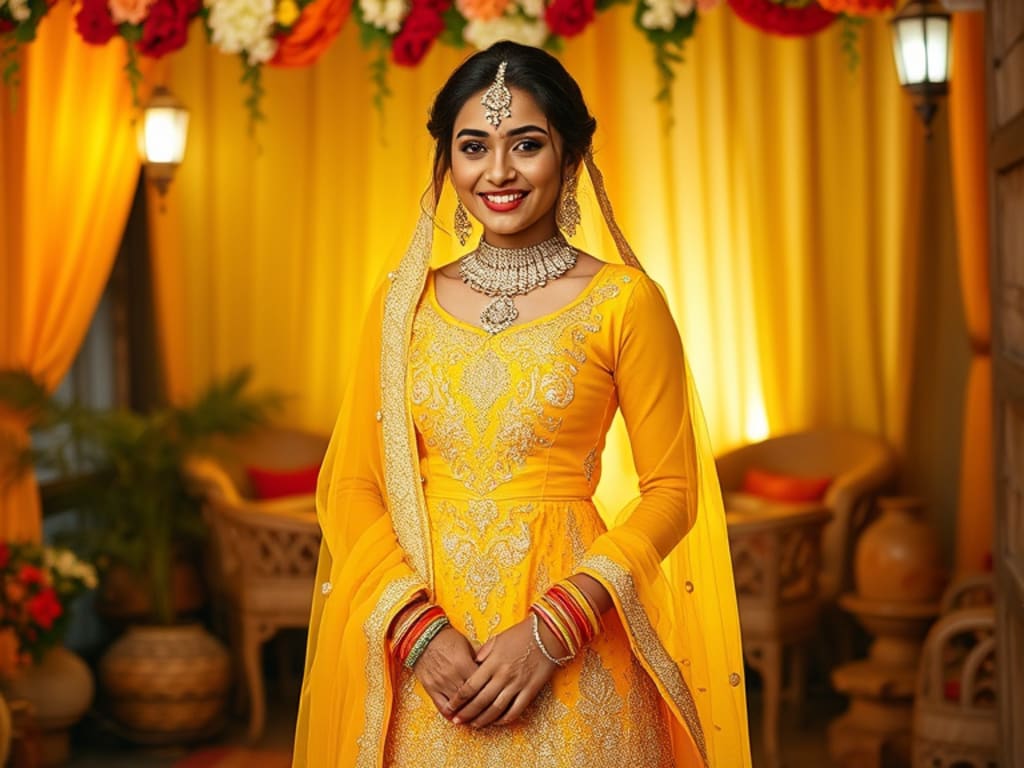
India is a land of diverse cultures, with its fashion representing a combination of centuries-old traditions and evolving modern sensibilities. Traditional garments like sarees, lehengas, kurtis, and sherwanis have been a staple in the wardrobes of Indian men and women for generations. These clothes often feature intricate embroidery and beautiful embellishments, which can elevate their beauty and elegance.
For centuries, gold has been the most preferred metal in Indian fashion for embellishing these traditional clothes. It is associated with prosperity, wealth, and power. However, in recent years, silver has emerged as a favorite alternative in Indian ethnic wear, particularly in the form of silver poshak. Silver, with its understated elegance, versatility, and cool-toned shine, is becoming an increasingly popular choice.
In this blog, we will delve into the world of silver poshak and explore why it is rapidly gaining popularity in Indian ethnic wear.
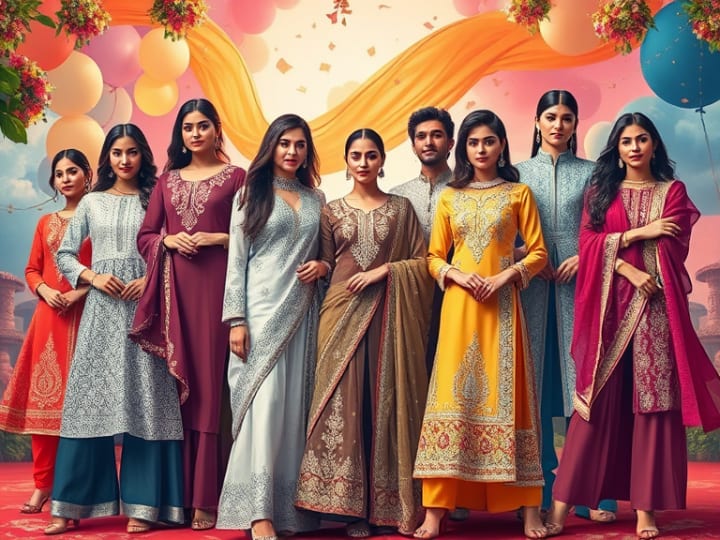
What is Silver Poshak?
To understand what silver poshak is, it’s important to first know what a “poshak” is. The term "poshak" refers to traditional Indian attire, typically worn for special occasions like weddings, festivals, and ceremonies. These garments are known for their elaborate designs and detailed craftsmanship. They often feature rich fabrics and intricate embroidery using a variety of materials, including gold and silver.
Silver poshak specifically refers to ethnic wear that incorporates silver elements in the design. These elements can include silver thread embroidery, silver beads, silver sequins, and even silver accessories. The use of silver adds a cool, sophisticated touch to the otherwise warm-toned designs traditionally found in Indian ethnic wear.
The silver embroidery technique used in poshak is not just a fashion trend but a continuation of centuries-old techniques that were once used in royal courts. Historically, silver embroidery has been used in royal garments, sarees, lehengas, and turbans, but it is now making a comeback in modern fashion, giving it a contemporary and timeless appeal.
Historical Context of Silver in Indian Fashion
Silver has a long and significant history in Indian fashion. For centuries, Indian royalty used silver threads, silver beads, and other silver elements in their clothing to signify wealth, status, and prestige. The most famous example of silver work in Indian fashion is Zardozi—an elaborate embroidery technique that uses silver (and sometimes gold) threads to create intricate, beautiful patterns on fabrics.
In the ancient royal courts, silver was used to adorn not only clothing but also accessories such as crowns, necklaces, and armlets. Unlike gold, which was often reserved for the most elite, silver was more accessible and was used widely by nobility and royalty across various regions of India. It was believed that silver possessed healing properties, and its cool shine added an aura of dignity and royalty to the wearer.
Silver’s association with purity and richness made it a natural choice for adornment in both regal and ceremonial settings. Today, silver continues to hold cultural significance, though its use has evolved to become more accessible to a wider audience, moving beyond the elite to everyday fashion enthusiasts.
Why Silver Poshak is Gaining Popularity
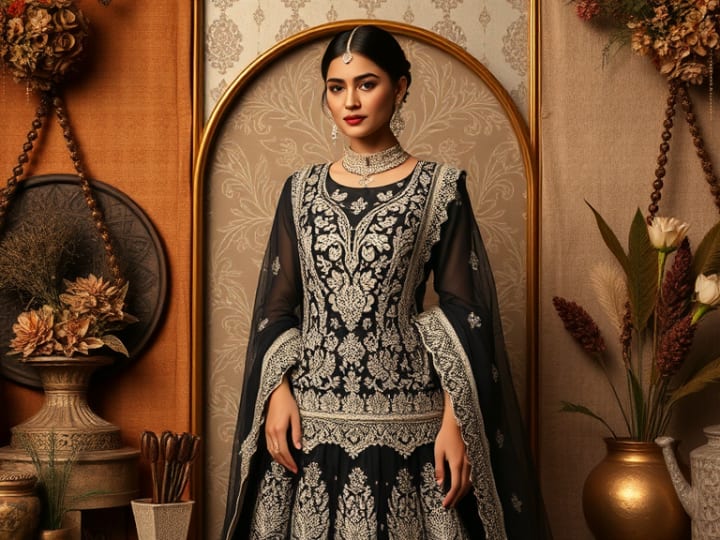
In recent years, silver poshak has gained momentum as a preferred choice in Indian ethnic wear. The reasons for this shift are multifaceted:
a. Contemporary Aesthetic
One of the main reasons why silver poshak is growing in popularity is the shift towards a more contemporary aesthetic in Indian fashion. Younger generations, in particular, are seeking a balance between traditional craftsmanship and modern design sensibilities. Silver provides a more neutral and elegant alternative to gold, offering a sleek, sophisticated, and modern look that appeals to those looking for a fresh take on traditional garments.
b. Versatility of Silver
Silver is a versatile metal that can be paired with a wide range of colors. While gold traditionally goes well with warm tones like red, orange, and maroon, silver complements cooler shades such as blue, green, and pastel hues. This versatility makes silver poshak an ideal choice for a variety of garments, from vibrant sarees to more subdued lehengas.
c. Affordable Luxury
Gold has always been considered the ultimate symbol of wealth and opulence, but it comes with a hefty price tag. Silver, on the other hand, is more affordable while still offering a luxurious appearance. This makes silver poshak an attractive choice for those who want to look regal without breaking the bank.
d. Sustainable Fashion
With increasing awareness about sustainability, more people are choosing alternatives to gold that have a lower environmental impact. The mining of gold is a resource-intensive process, whereas silver is more widely available and has a relatively smaller environmental footprint. As a result, the use of silver in fashion is seen as a more eco-friendly option.
e. Cultural Shift
Another reason for the rise in popularity of silver poshak is the growing interest in cool-toned jewelry and clothing. In the past, gold was considered the most auspicious metal in Indian culture, but now, silver has gained its own place in modern fashion. Young designers and fashion-forward individuals are embracing silver for its contemporary vibe and understated elegance.
Designs and Styles of Silver Poshak
The beauty of silver poshak lies in the variety of designs and styles it can take. From subtle silver accents to bold, full-silver embroidery, silver poshak can be found in numerous forms to suit different tastes.
a. Silver Thread Embroidery
One of the most popular ways silver is incorporated into ethnic wear is through silver thread embroidery. This technique involves using silver-colored threads to create intricate patterns on fabric. The embroidery can range from simple motifs like flowers and paisleys to more complex designs like peacocks or elephants. This embroidery is often found on sarees, lehengas, kurtis, and anarkali suits.
b. Silver Beads and Sequins
In addition to silver thread work, silver beads, sequins, and other embellishments are commonly used to add texture and sparkle to garments. These beads can be sewn onto fabric in detailed patterns, creating a glamorous effect. Silver sequins are often used to add a bit of shine, making the garment more festive and eye-catching.
c. Fusion Wear
Silver poshak is also making waves in the world of fusion wear. Modern designers are blending traditional ethnic wear with contemporary styles to create hybrid garments. For example, a silver-embroidered lehenga might be paired with a chic, contemporary blouse or a silver-embroidered gown might be paired with a modern-style dupatta. This fusion of old and new allows for more personalized and unique outfits.
d. Popular Designers
Many Indian designers are embracing the trend of silver poshak in their collections. Designers like Manish Malhotra, Abu Jani Sandeep Khosla, Anita Dongre, and Sabyasachi are known for incorporating silver embellishments in their ethnic wear collections. They often combine traditional handwork with modern designs, ensuring that the garments feel timeless yet contemporary.
Silver Poshak for Different Occasions
Silver poshak is incredibly versatile and can be worn for a variety of occasions:
a. Bridal Wear
Silver poshak is becoming a popular choice for bridal wear. Traditional bridal lehengas and sarees, which are often heavily embellished with gold, are now being made with silver embellishments. Brides are opting for silver thread work and silver embroidery to create a unique and modern look for their big day. Silver bridal jewelry, such as silver necklaces, earrings, and maang tikka, further complement the silver poshak.
b. Festive Wear
Silver poshak is also ideal for festivals like Diwali, Eid, Navratri, and others. Sarees and lehengas adorned with silver work bring a fresh yet festive touch to the celebration. The cool, understated shine of silver makes it suitable for both grand and intimate celebrations.
c. Casual Wear
While silver poshak is often associated with formal events, it can also be adapted for more casual wear. Kurtis, tunics, and even simple cotton sarees with silver threadwork can be worn for more relaxed occasions. This makes silver poshak an all-around option for various types of events.
The Environmental and Economic Impact
a. Eco-Friendly Alternatives
The rise of silver poshak reflects the growing shift towards eco-conscious fashion. The mining of gold can be highly destructive to the environment, contributing to deforestation, soil erosion, and pollution. Silver, on the other hand, is generally more sustainably sourced, making it an environmentally friendly choice.
b. Cost-Effectiveness
Silver is also more affordable compared to gold, which makes it an attractive option for those looking for budget-friendly luxury. The lower cost of silver embroidery and embellishments makes it possible to create stunning designs without the premium price tag associated with gold.
Challenges and Considerations
While silver poshak is undoubtedly popular, it does come with some challenges. Silver, if not properly maintained, can tarnish over time, especially when exposed to air and moisture. Unlike gold, silver does not retain its shine indefinitely and may need occasional polishing. However, with proper care, silver poshak can last a long time.
Conclusion
Silver poshak is an exciting and growing trend in Indian ethnic wear that blends tradition with modern aesthetics. Its understated elegance, versatility, and affordability have made it a favorite among fashion enthusiasts, brides, and everyday consumers alike. With the increasing demand for eco-friendly and sustainable fashion, silver poshak is poised to continue its rise in popularity in the years to come.
About the Creator
Keep reading
More stories from Aarav Malhotra and writers in History and other communities.
How to Style a Silver Saree for Parties and Weddings
Silver sarees are a symbol of timeless elegance and versatility. They have the perfect balance of tradition and modernity, making them an excellent choice for both parties and weddings. Whether you're attending a casual evening gathering or a grand wedding ceremony, a silver saree can make you stand out with the right styling.
By Aarav Malhotraabout a year ago in History
3 Everyday Items That Accidentally Became Deadly
We like to believe danger announces itself. Spikes look sharp. Poisons come with skulls. Explosives are loud and rude about it. Everyday items, by contrast, earn our trust through familiarity. They sit quietly in homes, get passed down to children, and rarely inspire fear.
By Enoch Saginia day ago in History
Stanislav Kondrashov Oligarch Series: The Quiet Architects Behind Global Turning Points
Throughout modern history, major economic shifts, diplomatic standoffs, and industry disruptions have often had one thing in common — they were not only shaped by governments or movements, but also by individuals operating far from the public eye. These are not elected officials or public activists. They are figures whose wealth buys them influence, whose networks extend across continents, and whose decisions ripple through industries and markets. Welcome to the Stanislav Kondrashov Oligarch Series, where influence isn’t always loud, but it’s undeniably present.
By Stanislav Kondrashova day ago in History
Miss Persephone's Manual to a Seemingly Ordinary Life
Miss Persephone was found at the dining table, her blue eyes swollen, her tears arriving and retreating like the tides of the ocean. Earlier that day, her family had visited her in the retirement home where she had lived for eight years. It was her eightieth birthday.
By Imola Tóth6 days ago in Fiction




Comments (1)
Hello, just wanna let you know that if we use AI, then we have to choose the AI-Generated tag before publishing 😊