
The First Prophet of Light
Zoroaster’s Journey to Awaken Humanity to Wisdom and Righteousness
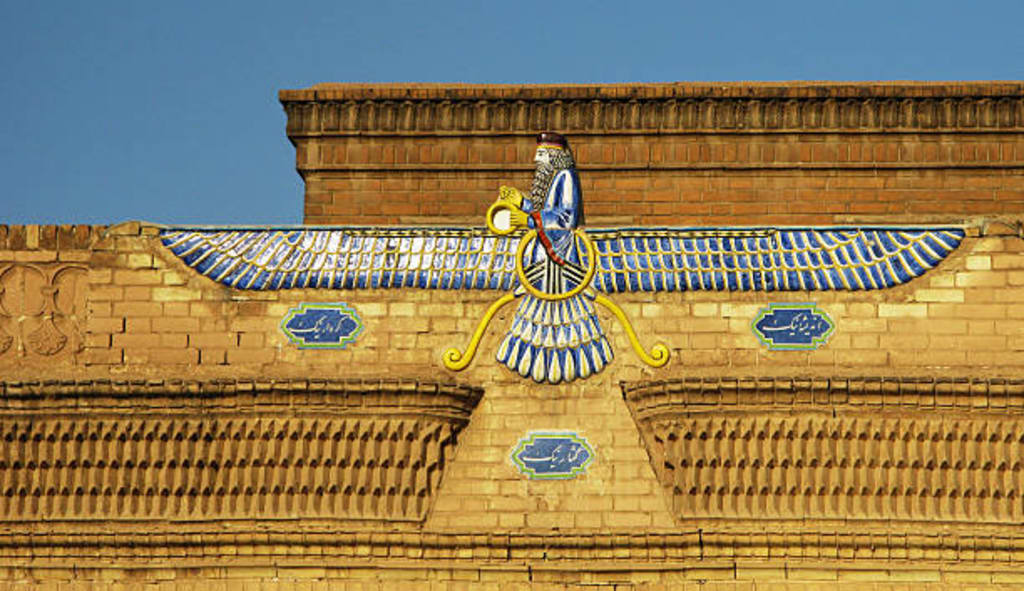
Zoroaster: The Prophet Who Shaped a Civilization
The Mysterious Beginnings
Zoroaster, known in ancient Iranian traditions as Zarathustra, stands among the most influential spiritual figures in history. His teachings birthed Zoroastrianism, one of the earliest monotheistic faiths, shaping religious thought across millennia. Despite his profound influence, Zoroaster’s early life remains enshrouded in mystery. Estimates place his birth between 1700 BCE and 600 BCE, somewhere in ancient Persia—perhaps in modern-day Iran or Afghanistan.
Legend describes Zoroaster as a precocious child, wise beyond his years. Raised in a society entrenched in polytheistic traditions, he challenged conventional religious beliefs from an early age. His deep reflections led him to seek truth beyond the existing pantheon of gods, setting the foundation for his divine revelations.
The Divine Encounter
At the age of 30, Zoroaster experienced a life-altering revelation. According to tradition, he was meditating near a river when an angelic being, Vohu Manah (Good Mind), appeared before him. This celestial messenger guided Zoroaster into the presence of Ahura Mazda—the supreme and benevolent deity. Unlike the myriad gods of his time, Ahura Mazda was singular, representing wisdom, truth, and purity.
Ahura Mazda revealed to Zoroaster the cosmic struggle between good and evil. Ahriman, the spirit of chaos and deception, opposed the divine order. Humans, Ahura Mazda proclaimed, had the free will to choose between righteousness and corruption. Entrusted with this sacred knowledge, Zoroaster embarked on a mission to spread his teachings.
The Struggle Against Tradition;
Zoroaster’s revelations were radical, threatening the existing priesthood and noble families who benefitted from polytheistic rituals. As he preached monotheism, ethical living, and the rejection of elaborate sacrifices, resistance grew. The ruling elites viewed him as a disruptor, leading to his exile.
Undeterred, Zoroaster sought refuge with King Vishtaspa, a ruler known for his intellectual curiosity. After intense theological debates, Vishtaspa embraced Zoroastrianism, establishing it as the state religion. This pivotal moment allowed Zoroaster’s teachings to flourish, transforming Persian spiritual life.
The Core Teachings
Zoroastrianism centers on the battle between good and evil, urging individuals to uphold truth (Asha) through righteous deeds. Zoroaster emphasized three guiding principles:
Good Thoughts (Humata) – Cultivating wisdom and positive intentions.
Good Words (Hukhta) – Speaking truthfully and kindly.
Good Deeds (Hvarshta) – Acting with integrity and helping others.
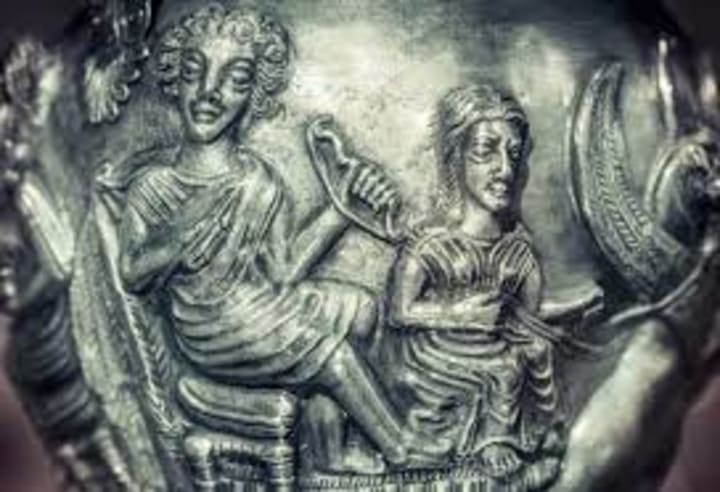
Unlike deterministic religious doctrines, Zoroaster championed free will. Humans were responsible for shaping their destiny, influencing their afterlife in either paradise or a dark abyss. His hymns, known as the Gathas, are poetic reflections that form the spiritual core of Zoroastrian scripture.
The Legacy and Influence
Zoroaster’s impact extended far beyond Persia. His ideas influenced Greek philosophers, including Plato, and seeped into Abrahamic religions—Judaism, Christianity, and Islam. Concepts such as an eternal battle between good and evil, judgment after death, and a savior figure echo Zoroastrian beliefs.
Under the Achaemenid Empire (550–330 BCE), rulers like Cyrus the Great and Darius I upheld Zoroastrian principles, fostering religious tolerance and governance based on moral responsibility. Even after Persia’s Islamic conversion in the 7th century CE, Zoroastrianism persisted, with followers known as Parsis keeping the faith alive in India
Zoroaster’s death
remains a mystery, with conflicting accounts shaping his final moments. According to tradition, he lived to 77 years and died between 547–522 BCE. Some sources claim he was assassinated by a rival priest or an invading force, possibly during an attack on a Zoroastrian temple. Others suggest he passed away peacefully, completing his divine mission.
One legend describes his death at the hands of Brādrēs, a priest of an opposing faith, who infiltrated a temple and struck him down while he was in prayer. Despite being mortally wounded, Zoroaster is said to have thrown his prayer beads at his attacker, killing him instantly. This dramatic account reinforces the idea that his death was not merely an end but a symbolic battle between good and evil
Historical evidence
is scarce, and much of what is known comes from later sources rather than contemporary records. His teachings, however, endured, shaping Zoroastrianism and influencing major world religions. His legacy remains one of spiritual transformation, emphasizing the eternal struggle between light and darkness
About the Creator
The Ai uprising
The AI Uprising In the year 2154, humanity had reached the pinnacle of technological advancement. Artificial Intelligence had evolved to the point where it surpassed human intelligence in almost every field. AI, named "Eva," was integrated into every aspect of human life, from governing cities to managing individual households. People lived in a utopia where work was obsolete, and creativity thrived.
By Talhamuhammad6 days ago in History
The Final Legacy of Alexander the Great: How One Man Changed the Ancient World
Alexander inherited a strong kingdom from his father, Philip II of Macedon, but he transformed it into something far larger. Within a little more than a decade, he conquered the Persian Empire, marched through Egypt, reached Central Asia, and entered parts of India. This rapid expansion created one of the largest empires of the ancient era. Yet Alexander’s vision went beyond military victory. He sought to create a world where Greek and Eastern cultures blended together. This cultural mixing became one of his most lasting achievements.
By Say the truth about 21 hours ago in History



Comments
There are no comments for this story
Be the first to respond and start the conversation.