
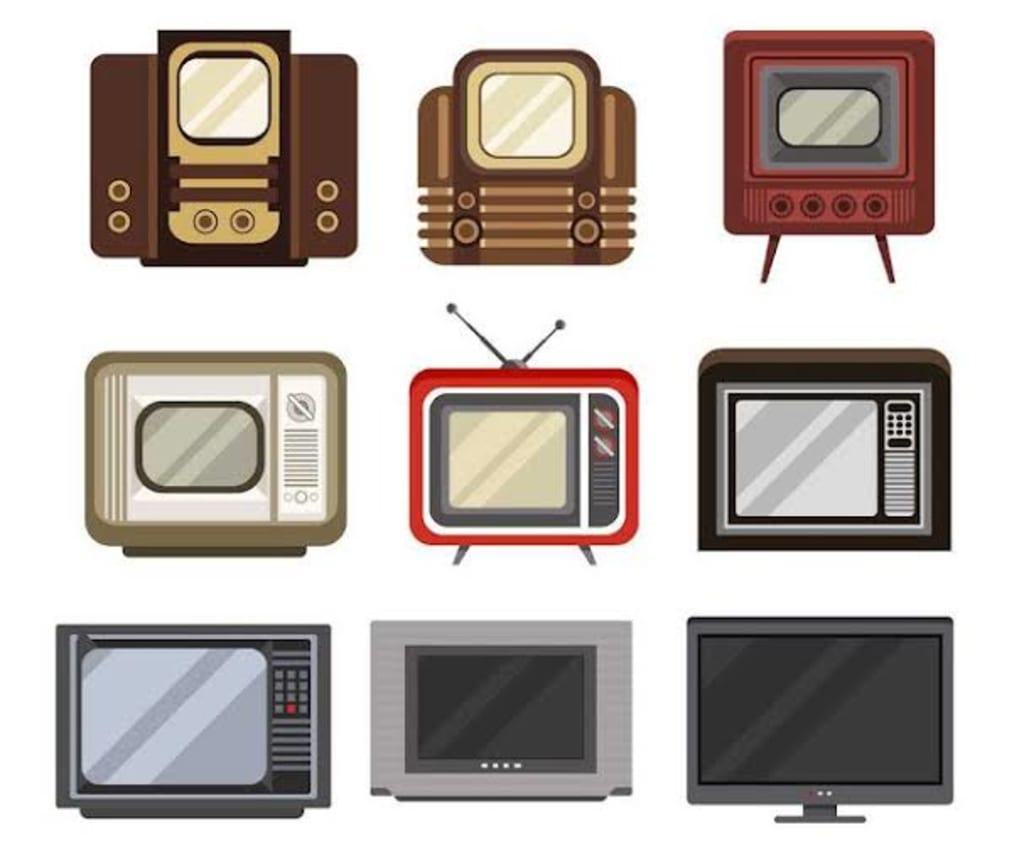
Television, a ubiquitous and influential medium that has become an integral part of modern society, boasts a fascinating history characterized by continuous innovation and remarkable technological progress. The etymology of the word "television," derived from the Greek "tēle," signifying distance, and the Latin "visio," denoting sight, eloquently captures its essence as a tool for conveying dynamic visuals and audio over extensive geographical expanses. This amalgamation of linguistic roots not only underscores television's capacity to bridge gaps and bring distant events into our immediate surroundings but also symbolizes its role as a conduit for information, entertainment, and cultural exchange on a global scale.
1. Early Days and Milestones:
In the 1920s, television emerged but was not widely accessible to the public until later. In 1928, the visionary Scottish inventor John Logie Baird's company, the Baird Television Development Company, achieved a groundbreaking feat by broadcasting the first transatlantic television signal between London and New York. This marked the dawn of a new era in communication.
2. Technological Advancements:
During the progressive era of the 1930s, Alan B. Dumont's groundbreaking advancements in television technology revolutionized the industry with the development of CRTs capable of lasting up to an impressive 1,000 hours. This remarkable feat not only marked a significant milestone in the evolution of television but also laid the foundation for future innovations in display technology. Following the tumultuous period of World War II, the post-war era witnessed a meteoric rise in the popularity of television across developed nations such as the United States and the United Kingdom. Television swiftly transitioned from a novelty to a ubiquitous presence in households, businesses, and institutions, solidifying its status as a cultural cornerstone and a primary source of information, entertainment, and communication for millions of people. The widespread adoption of television during this time not only transformed societal norms and behaviors but also paved the way for further advancements that would shape the future of broadcasting and media consumption.
3. The Shift to Color and Beyond Color:
Broadcasting made its debut in developed countries in the mid-1960s, revolutionizing the viewing experience. By the 1970s, sales of color TVs surpassed black and white models, signaling a shift towards more vibrant and immersive viewing experiences. Sony's introduction of portable solid-state television sets in 1959 further transformed how people engaged with television, transitioning from communal viewing to individualized experiences.
4. The Digital Age and Beyond:
The advent of HDTV technology in the mid-1980s marked a new chapter in television history, paving the way for digital TV's rise in the early 1990s. By the 2000s, digital television transmissions gained popularity, leading to the transition from standard definition to high-definition viewing. Energy-efficient flat panel TVs like LCDs and OLEDs replaced bulky cathode ray tube sets, offering sleeker designs and enhanced viewing quality.
5. The Rise of Smart and Internet Television:
In recent years, smart TVs and internet television have surged in popularity, allowing viewers to stream content from platforms like Netflix and Amazon. By 2013, it was estimated that 79% of households worldwide owned a television set, underscoring its enduring appeal. The mid-2010s saw major manufacturers phasing out cathode ray tube TVs in favor of smart TVs integrated with internet and web 2.0 functions, reflecting the ever-evolving landscape of television technology.
In conclusion, the evolution of television from its modest origins to the dynamic digital age exemplifies a captivating journey marked by relentless innovation and transformative progress. From the pioneering days of black-and-white broadcasts to the immersive high-definition experiences of today, television has continually adapted and reinvented itself to meet the evolving needs and preferences of audiences worldwide. As we stand at the cusp of a new era defined by cutting-edge technologies and interactive viewing platforms, television retains its status as a potent medium that not only entertains but also informs, influences, and shapes our collective cultural landscape.
About the Creator
Keep reading
More stories from Sanjana Dixit and writers in History and other communities.
The Enduring Legacy of Windows XP
The story of Windows XP is a tale of unexpected longevity and enduring charm that has captivated users for over two decades. From its humble beginnings as a successor to Windows Me and 2000, Windows XP quickly became a beloved staple in the world of operating systems. Let's delve into what made Windows XP so special then, and why it continues to hold a special place in the hearts of many users even today.
By Sanjana Dixit2 years ago in History


Comments
There are no comments for this story
Be the first to respond and start the conversation.