
The Dark Secrets of Ancient Civilizations
What History Books Don’t Tell You
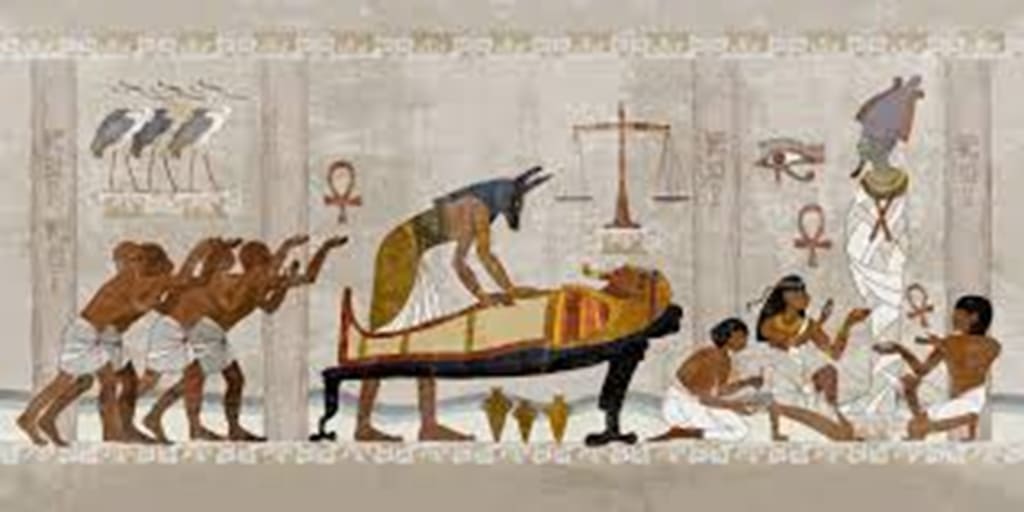
The Dark Secrets of Ancient Civilizations: What History Books Don’t Tell You
History books love to paint a picture of ancient civilizations as paragons of wisdom, beauty, and order. The Greeks were the founding fathers of democracy, the Romans were master architects, and the Egyptians? Well, they had pyramids, and that’s pretty much the extent of their reputation. But if we’re being honest, ancient societies were a bit more... complicated than your high school history teacher might have led you to believe. Some of their dark secrets are so juicy, they could rival the most scandalous episodes of Keeping Up With the Kardashians—except with more togas and fewer selfies.
The Romans Were Obsessed With Poison—And They Took It to Extremes
We all know the Romans were keen on drama—anyone who’s seen Gladiator knows that. But what history books conveniently leave out is just how obsessed they were with poisoning their rivals. Forget subtlety; the Romans made it an art form. It wasn’t just a matter of slipping a little arsenic into someone’s morning wine. Oh no. Wealthy Roman families would have entire poison collections, complete with various lethal concoctions to use on enemies or, in some cases, even family members they didn’t like.
If you thought your Thanksgiving family dinners were awkward, imagine this: The rich Romans would have their food tasters not just for the sake of good flavor, but to make sure their meals weren’t deadly. And if that wasn’t enough, emperors like Nero and Caligula were known for their... eccentric dining habits. Rumor has it Caligula even considered making his horse a consul, presumably to keep his equestrian friend safe from the toxic political environment.
Ancient Egypt’s “Luxury” Burial Practices Might Make You Think Twice About Your Bucket List
We all know Egypt for its iconic pyramids and mummies—gifts of the gods, right? Well, not exactly. Sure, the pyramids were built to honor the pharaohs, but let’s just say the Egyptians weren’t above using a little strategic burial assistance. Some pharaohs were buried with their wealth and possessions, but others? Not so lucky. In fact, some tombs were rigged with traps, making the burial process sound more like a James Bond movie than a respectful transition to the afterlife. It’s almost as if the ancient Egyptians were preemptively warding off tomb raiders... and maybe a few of their own relatives. After all, who wouldn't want to take a few treasures on their way to the afterlife?
And if you thought Cleopatra’s beauty was the stuff of legends, think again. While Cleopatra was indeed a fascinating and powerful woman, she wasn’t exactly the “Cleo” the movies make her out to be. The truth is, Cleopatra was known for her intellect and political prowess rather than her beauty, and when it comes to her love life, let’s just say her relationships with Julius Caesar and Mark Antony were a bit more... pragmatic than romantic. After all, when you’re the queen of Egypt, it’s not love that keeps the throne secure; it’s a bit of strategic alliances (and maybe a little bit of charm, but mostly power). Who needs a love story when you have an empire?
The Greeks Were Really Into Their “Special” Olympic Events
Ah, the ancient Greeks—the founding fathers of democracy and, of course, the Olympic Games. But while the Olympics might seem like a wholesome celebration of athleticism and international unity today, the ancient version had a few... unexpected events. Let’s just say that if you thought “marathon” was a grueling event, you would’ve been absolutely floored by the ancient Greek “pankration.” It was a brutal combination of boxing and wrestling, and the only rule was that there were no rules—unless you count “no biting” as one. But, hey, that’s probably just the start.
And let’s not forget the special event for men only—yes, the Greeks were known for their athletic prowess, but they also had a little “private” competition in the form of the naked games. Athletes didn’t just compete in the buff for athletic performance; they did it as a symbol of their devotion to the gods (and maybe to show off a little muscle, too). So, if you ever thought your local gym’s locker room was awkward, just be thankful you didn’t live in Ancient Greece.
The Mayans Might Have Been Into Human Sacrifice... A Lot
While we’re on the subject of grisly rituals, let’s talk about the Mayans. Famous for their advanced calendar and intricate cities, the Mayans had some very interesting ways of honoring the gods. Human sacrifice, you ask? Oh, absolutely. In fact, they were so into it, it was practically a sport. The Mayans would offer up human lives—usually captured prisoners or volunteers—on top of massive pyramids to appease the gods. Nothing says “I appreciate you, gods” quite like a ceremonial decapitation, right?
But it wasn’t just about death. The Mayans believed that these rituals helped to keep the sun rising and the crops growing. As it turns out, all those beautifully adorned pyramids and temples weren’t just for show—they were functional... for sending a message to the afterlife. The Mayans might have been advanced, but they sure had some unorthodox methods of keeping their civilization intact.
Conclusion: Ancient Civilizations Were Just As Messed Up As Us
So, there you have it. The ancient world was far from the polished image we’ve been sold in textbooks and museum displays. They were a bit more like us than we’d care to admit—power-hungry, paranoid, and, on occasion, quite reckless. The only difference is that they had some seriously dramatic ways of expressing it. Whether it was the Romans poisoning their relatives, the Egyptians rigging tombs, or the Mayans making sure the gods got their fair share of blood sacrifices, these civilizations were nothing if not creative in their methods.
So, the next time you sit down to study history, remember: the past wasn’t just about dusty old scrolls and lofty ideals—it was about scandal, intrigue, and a whole lot of drama. Let’s just hope our modern-day historical chronicles don’t have to get quite as messy to be remembered.
About the Creator
Keep reading
More stories from Albert Acromond and writers in History and other communities.
The Ghost Army
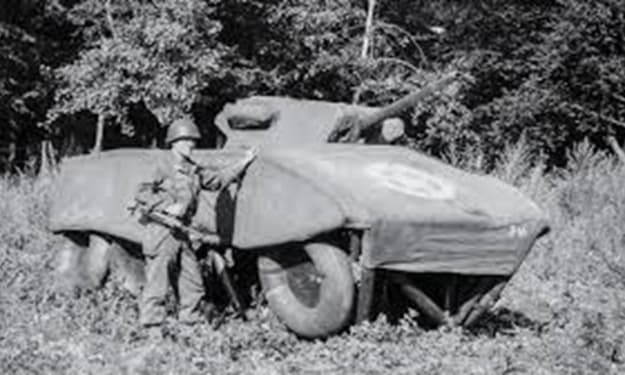
The Ghost Army: How Artists Fooled the Nazis in WWII War is typically associated with brute force, firepower, and tactical genius. But sometimes, the greatest weapon is none of the above. Enter the Ghost Army, an elite unit of artists, actors, and sound engineers who waged war not with guns, but with deception. Their mission? Convince the Nazis that entire divisions of American troops were marching their way—when in reality, all they had were inflatable tanks, recorded battle sounds, and a flair for the dramatic.
By Albert Acromond11 months ago in History
World War I
The morning fog lay thick over the trenches of northern France, clinging to the earth as if it too feared what was about to happen. Private Thomas Hale pulled his coat tighter around himself, though it did little to stop the cold from seeping into his bones. He had been in the trenches for six months, yet the damp smell of mud, smoke, and fear still felt unfamiliar, like a nightmare he could not wake from.
By Maavia tahir3 days ago in History
Getting Serious About Comedy (Part I)
If I were asked to remark on my life and the childhood that paved some road leading me to this point, I would have to say something about all the funny people who surrounded me for the last 26,872 days (and counting). Somewhere along that road, I became a big fan of laughter and the comedy that spawns it – and, I mean not only my own laughter, but the laughter of others, some of which I have actually been responsible for inducing.
By John Oliver Smith7 days ago in Humor


Comments
There are no comments for this story
Be the first to respond and start the conversation.