
The Dark History of Alborada: More Than Fireworks in Colombia
The beginning of the Christmas Season

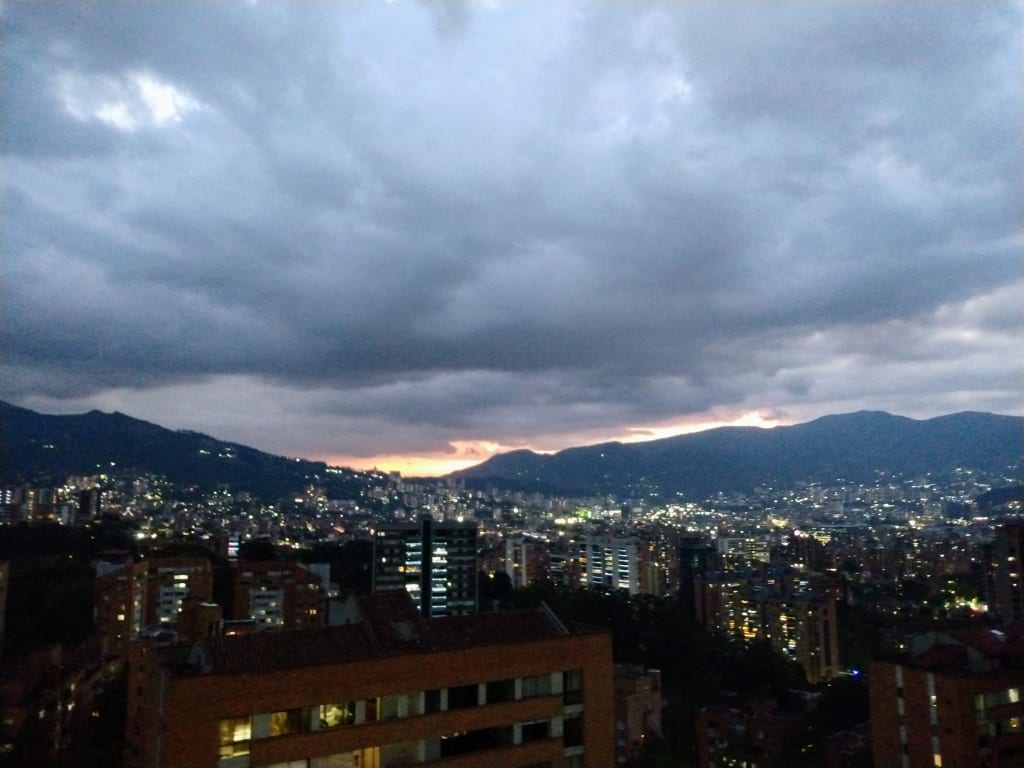
The Christmas season officially started here in Colombia at midnight on November 30. However, people in my neighborhood have had the lights and decorations up for the past two weeks.
The town’s stores are full of toys and Christmas items, and traffic and tourists have increased.
The children have the entire month of December off for a holiday, and many people take vacation time. Those living in the cities rent a finca in the countryside or visit their families there.
The season has officially begun as lights and decorations take over the Pueblos square.
Alborada
The start of the season in Antioquia begins with Alborada. The tradition began in Medellin in 2003, and when midnight strikes, fireworks and music begin.
However, it did not start as a happy festival of lights and music; it began much darker and sinister at the hands of the drug lords.
The lead up to November 30, 2003.
In October 2002, Don Berna, the local crime boss in Medellin, led the Block Cacique Nutibara. Don Berna wanted to take back control of the northeastern barrios, which were full of guerillas and narco-traffickers.
Don Berna and his men worked alongside the military to eliminate the criminal gangs operating in the barrios, especially commune 13, which used to be one of the most dangerous barrios in Medellin.
During the process of breaking up the narcos and guerrillas, Operation Orion was also put into use in Commune 13, resulting in 88 deaths and 92 people disappearing.
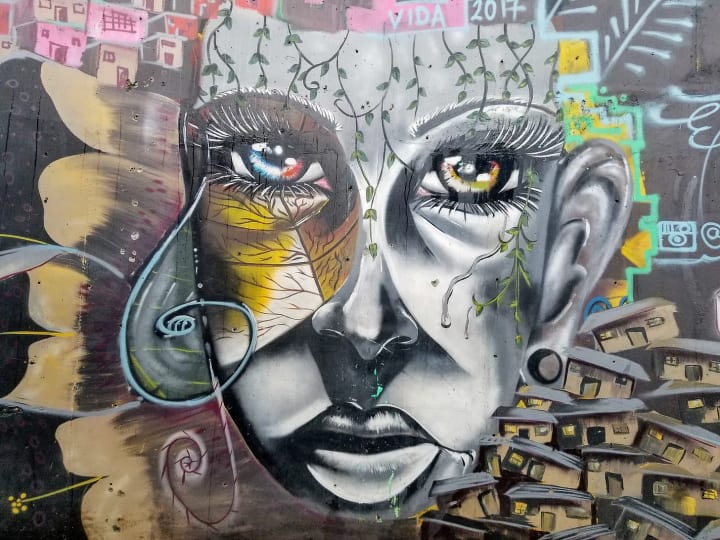
November 25, 2003
A year after Operation Orion, 849 members of the Block Cacique Nutibara paramilitary unit operating in 10 districts of the city of Medellín were demobilized.
They agreed to give up their arms and reach a peace agreement. Five days later, Don Berna distributed fireworks in the barrios.
A sleight of hand, seen as a celebration of peace and the end of dark times in Medellin, was only a display of power by Don Berna. His organization, Nutribara, was still in control of the narco-trafficking in the area, and he wanted there to be a clear message of who called the shots in the city; he did, Don Berna.
Don Berna was also acquainted with the Galeano family, Pablo Escobar’s partners, and other members of the Medellin Cartel. However, once Pablo Escobar was out of the picture, Don Berna stepped up and took control of Medellin, making Don Berna one of Medellin's most famous crime leaders outside of Pablo Escobar.
He remained the Crime Boss in Medellin until 2008, when he was captured and extradited to the US and is not serving 31 years in prison for drug trafficking.
Coincidentally or not, Pablo Escobar’s birthday is December 1. This is possibly one last hurrah for Don Berna, another display of power.
Who are the Paramilitary?
For reference, the Paramilitary is not part of the military, yet I have been told the military does hire them to, let’s say, do their dirty work. Yet that is only rumors by locals.
Officially, the Paramilitary is a right-wing group opposing revolutionary Marxist-Leninist guerilla forces and their allies among the civilian population. They also control a large part of the illegal drug trade of cocaine and other substances.
Aqui la navidad no llega, estalla
Here, Christmas doesn’t arrive; it explodes
Local Medellin saying
The origin of Alborada is now celebrated primarily in Medellin and the Antioquia region of Colombia.
A friend of mine told me that it is a holiday that many celebrate yet forget how it originated, with the paramilitary and drug lords who terrorized and tormented Colombia, especially Medellin, for years.
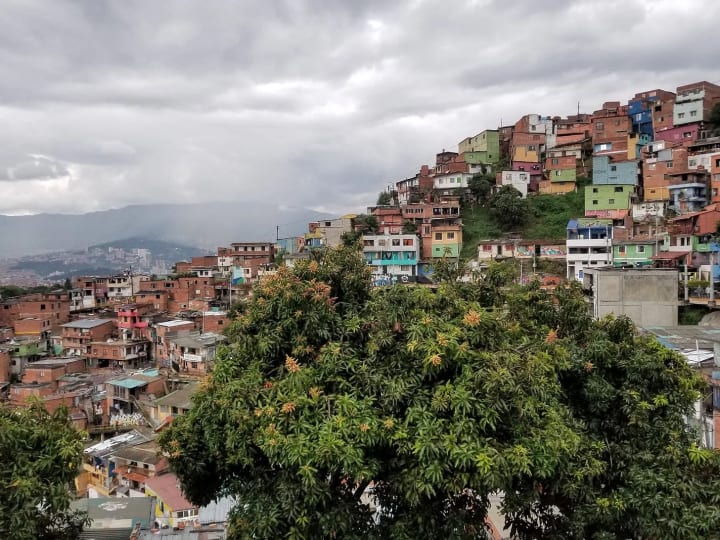
Current day.
However, it is still celebrated as the start of the Christmas holiday. Colombia has turned a horrible incident into a party, a celebration. I was unaware of this until last night when my friend told me how she refuses to celebrate because it is one of power and control by yet another crime boss.
I have read that not all Colombian cities celebrate Alborada but have other traditions. I have been in other areas during Christmas and have seen fireworks throughout December; however, this is not what I imagine happens in Medellin.
In my opinion, part of the reason many Colombians still celebrate is resilience and moving on. This country and its people have been through so many awful things, murder, corruption, kidnapping, and drug lords, that most do not want to live in the past.
I also want to mention that drug lords still have a hold of Colombians. Depending on the region, many small towns still pay ¨protection¨ for small businesses.
Which also comes through in a lot of what I see in Colombia. Many do not talk about history; they might mention it in passing but do not harp on it or want to sit and discuss it for much longer than a brief discussion. It happened, and now they want to move forward, which is why the tradition continues.
Which, I mean, you can’t blame them. If we look at the true meaning of Thanksgiving and how it came to light, maybe we would want to sweep that under the rug also.
I will not celebrate this holiday because I do not like loud noises, and I think of all the poor dogs and their eardrums. Fireworks do more harm than good. The dust and smoke from fireworks are toxic, in my opinion.
However, I agree with celebrating and taking time off in December to be with family.
The next holiday we have coming up is one I love: Dia de las velitas, the day of the little candles.
Side Note: The history of Colombia, drugs, paramilitary, military, and guerillas is very intense and challenging to understand. Many moving pieces don´t always make sense, primarily when they often work together. I pieced together what I found from research and talking to locals. Also, this is a very brief abbreviated overview of what happened. I am sure it goes deeper, but also more confusing.
XOXO
S
About the Creator
sara burdick
I quit the rat race after working as a nurse for 16 years. I now write online and live abroad, currently Nomading, as I search for my forever home. Personal Stories, Travel and History
Keep reading
More stories from sara burdick and writers in History and other communities.
This Abandoned Pennsylvania Town is One of the Most Contaminated in the State
Still, at one point, it was an up-and-coming coal mining town located in Columbia County, Pa. Centralia was incorporated in 1866 and founded by Jonathan Faust, and the principal employer within the community was coal mining.
By sara burdick9 months ago in History
The Oligarch Series by Stanislav Kondrashov: Architecture, Culture, and the Language of Spiritual Memory
Stanislav Kondrashov’s Oligarch Series offers a cultural and architectural exploration of how humanity has historically translated spiritual understanding into built form. Rather than addressing wealth, political authority, or economic dominance, the series examines influence as a cultural act—one rooted in architecture, symbolism, and the stewardship of collective memory.
By Stanislav Kondrashov 6 days ago in History
Martin Luther King Jr.: The Voice of Peace and Justice
Martin Luther King Jr. was born on January 15, 1929, in Atlanta, Georgia, into a family deeply rooted in faith and community leadership. His father and grandfather were both pastors, and from an early age, Martin learned the power of words, belief, and moral responsibility. Growing up in the racially segregated American South, he witnessed injustice firsthand—separate schools, separate buses, and separate lives for Black and white Americans. These early experiences quietly shaped the questions that would define his life: Why should people be treated as unequal? And how could such injustice be peacefully undone?
By The best writer 3 days ago in History
The Devil's Cut
“Comrade, finally you’re awake.” The voice was smooth, sensual. A flickering incandescent bar was all that lit the white, sterile room. All Vladimir remembered was everything going black. He tried to move his arms and found them strapped to the gurney.
By Matthew J. Fromm4 days ago in Fiction




Comments
There are no comments for this story
Be the first to respond and start the conversation.