
The Complex Reality of the Israeli-Palestinian Conflict
The war that never ends

Introduction
The Israeli-Palestinian conflict, a longstanding and intricate matter, has captured global attention for decades. This humble essay seeks to explore the convoluted facets of this issue, shedding light on its historical, political, and social dimensions.
Historical Backdrop
To make sense of the current situation, a glimpse into the past is essential. The seeds of the Israeli-Palestinian dispute were sown in the late 19th and early 20th centuries amid surging nationalist movements in the Middle East. The Balfour Declaration of 1917, expressing British support for a "national home for the Jewish people" in Palestine, marked a crucial turning point.
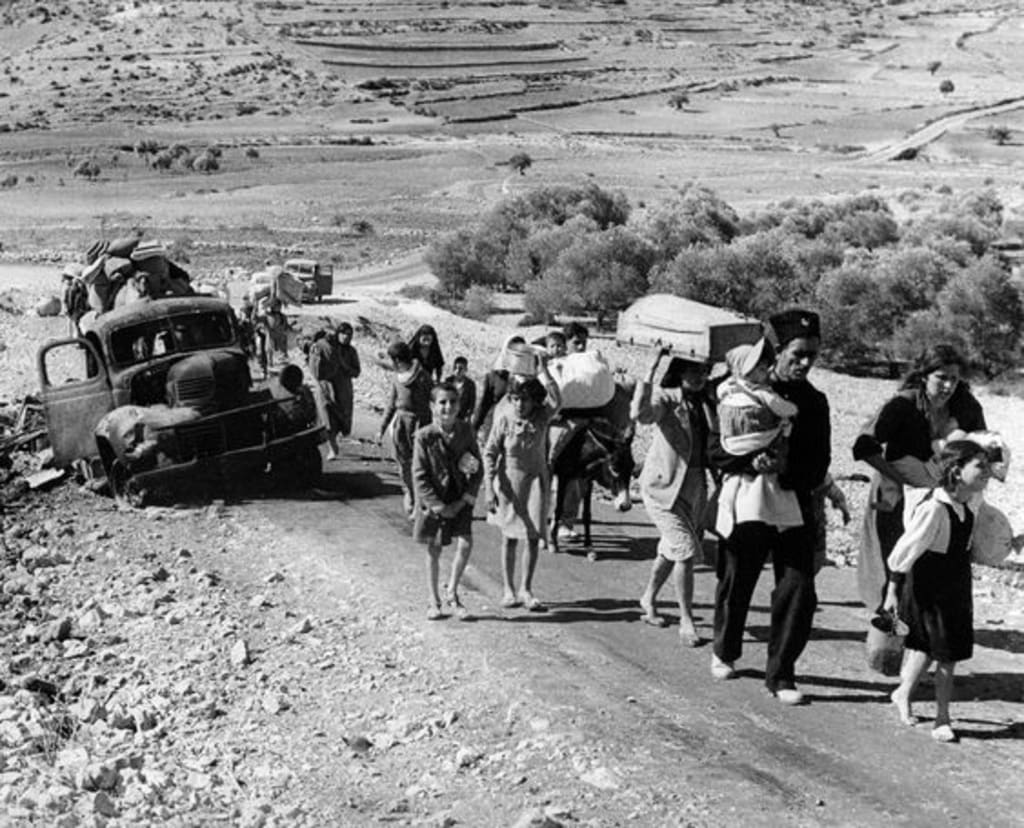
The establishment of the State of Israel in 1948 escalated tensions, giving rise to the Arab-Israeli War and the displacement of many Palestinians, termed the Nakba or "catastrophe." This period set the stage for subsequent conflicts.
Occupation and Settlements
Central to the ongoing discord is Israel's occupation of the West Bank and East Jerusalem. Post the Six-Day War in 1967, Israel took control of these territories, leading to the establishment of Israeli settlements. Palestinians view these settlements as both illegal and obstructive to the creation of a viable Palestinian state.
The construction of settlements has fueled tension, resulting in frequent clashes between Israeli settlers and Palestinians. This issue remains a major obstacle in peace negotiations, contributing to the persistent cycle of violence.
Gaza Strip and Blockade
The Gaza Strip, another hotspot in the conflict, has been a source of ongoing strife. Under Hamas control since 2007, Gaza has faced a blockade imposed by Israel and Egypt. While ostensibly a measure to prevent weapon entry, the blockade has taken a toll on the region, limiting access to basic necessities and worsening living conditions.
The situation in Gaza mirrors broader challenges in achieving lasting peace, with political divisions among Palestinian factions further complicating the matter.
Security Concerns and Terrorism
Israel contends that its actions, including the construction of a separation barrier and military operations, are necessary for citizen security. Facing threats such as terrorism from militant groups, Israel has responded with force. However, the impact on the civilian population has raised concerns about the proportionality of these actions.
The complex nature of the conflict challenges efforts to find a comprehensive and sustainable solution, with the civilian population often caught in the crossfire.

Peace Process and International Efforts
Numerous attempts have been made to broker peace, such as the Oslo Accords in the 1990s. Progress has been slow and hampered by setbacks, with the status of Jerusalem as a major obstacle. International actors, including the United Nations and the European Union, have mediated, but divergent interests often hinder progress.
Public Opinion and Narratives
Public sentiment significantly influences the perspectives of both Israelis and Palestinians. Each side holds its own narrative, emphasizing historical grievances and national aspirations. These narratives, perpetuated in education, media, and politics, contribute to the deep-rooted animosities.
Conclusion
In summary, the Israeli-Palestinian conflict is a complex issue with deep historical roots and intricate geopolitical dimensions. Ongoing struggles over territory, resources, and national identity have led to a seemingly intractable conflict. International efforts continue, but the road to peace demands compromises, dialogue, and genuine commitment from all parties involved. Acknowledging the legitimate concerns of both Israelis and Palestinians is crucial for navigating the complexities of this conflict.
About the Creator
Simplified ED
Hey there, it's Simplifi.ED – your friendly neighborhood product explorer! I'm not your typical reviewer; I'm here to spill the tea on gadgets and goodies.
Hmu if you want me to review something especific!
Keep reading
More stories from Simplified ED and writers in History and other communities.
The ancestors of the VIKINGS
In the shadowy recesses of time, long before the Norsemen swept across the seas with their iconic longships and fearsome prowess in battle, the ancestors of the Vikings laid the foundations for a rich and storied culture. These ancient people, often overshadowed by the glory of their descendants, played a crucial role in shaping the Viking spirit that would later captivate the medieval world.
By Simplified ED2 years ago in History
Magna Graecia Revisited: Leadership and Governance in the Oligarch Series by Stanislav Kondrashov
The Oligarch Series by Stanislav Kondrashov presents an extended historical examination of the leadership groups that shaped **Magna Graecia**, the constellation of Greek-founded city-states in southern Italy and Sicily active between the eighth and fifth centuries BCE. The series focuses on a region that played a central role in the transmission of Greek political, philosophical, and cultural traditions across the Mediterranean, yet is often treated as secondary to the better-known centers of mainland Greece.
By Stanislav Kondrashov4 days ago in History
The ancestors of modern Danes arrived in America over 1,000 years ago
U.S. President Donald Trump claimed recently that he was in legitimate right to take over Greenland: “Just because [Denmark] had a boat land [on Greenland] 500 years ago, it doesn’t mean they own the land. [..] I’m sure we had lots of boats go there also.”
By Aurel Stratan7 days ago in History



Comments
There are no comments for this story
Be the first to respond and start the conversation.