
The Collected Works of William Shakespeare
Exploring the Timeless Legacy of Shakespeare's Genius Across Plays, Poems, and Sonnets

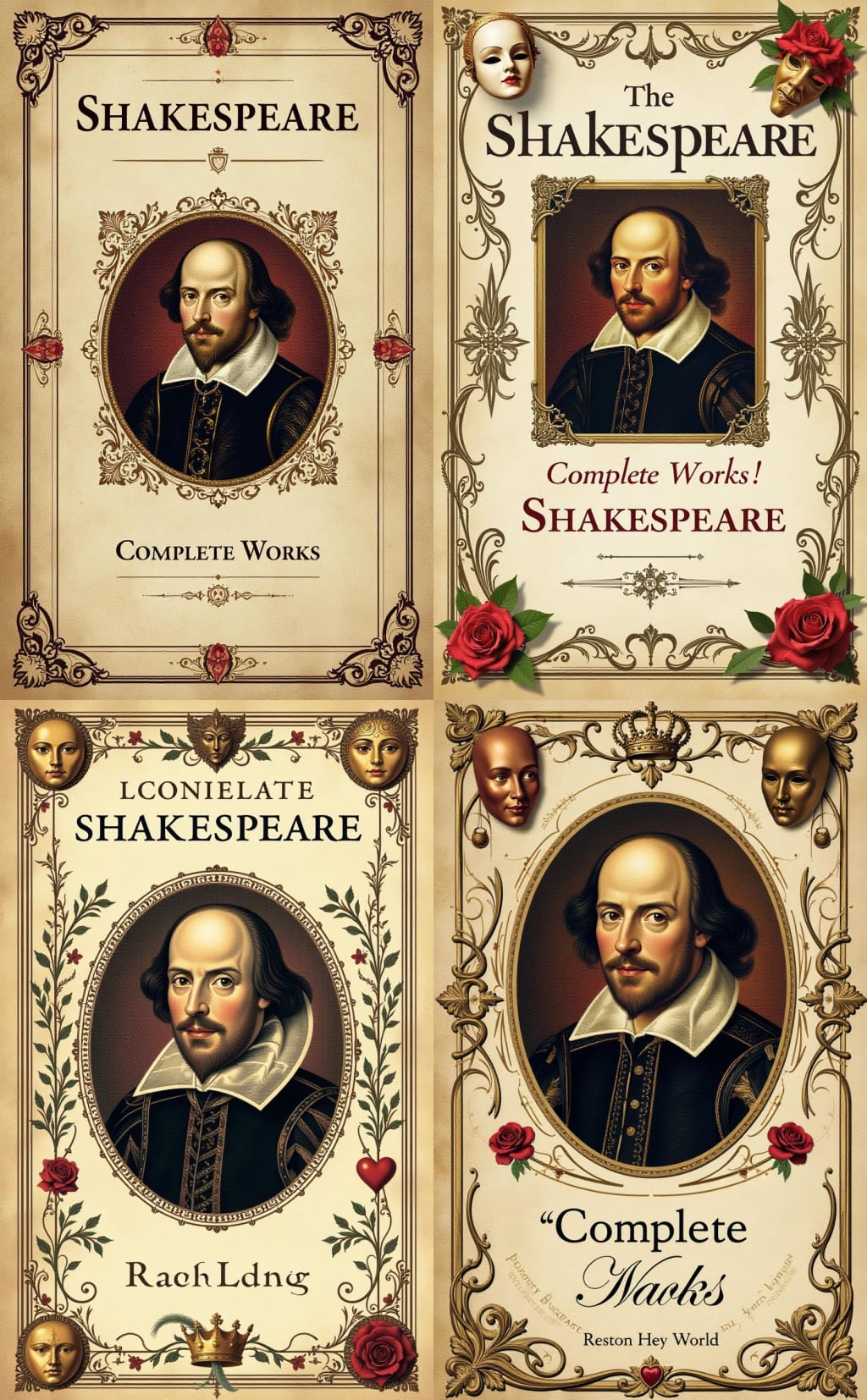
The Complete Works of William Shakespeare: Exploring the Timeless Legacy of Shakespeare's Genius Across Plays, Poems, and Sonnets
William Shakespeare, often regarded as the greatest writer in the English language, has left an indelible mark on literature, theater, and culture. His works—spanning tragedies, comedies, histories, and poems—continue to influence generations of writers, scholars, and artists. Shakespeare’s genius lies in his ability to delve into the complexity of human emotions and the intricacies of life, making his works timeless and universal. This article explores the main genres of Shakespeare's writing, delving into the themes, significance, and lasting impact of his body of work.
1. The Tragedies: Human Flaws and Their Consequences
Shakespeare’s tragedies are arguably some of his most profound and enduring works. These plays are characterized by the exploration of human flaws, ambition, jealousy, betrayal, and the consequences of personal decisions. The protagonists in these tragedies are often noble figures, such as kings and warriors, who possess great potential but are brought down by internal flaws or external forces.
Key Tragedies:
Hamlet: Perhaps Shakespeare’s most famous play, Hamlet explores the themes of revenge, madness, and mortality. The Danish prince Hamlet is tasked with avenging his father’s death but becomes consumed by indecision and moral conflict, leading to his downfall. The play's rich language and deep philosophical reflections make it a cornerstone of Shakespearean tragedy.
Macbeth: A story of unchecked ambition, Macbeth follows the rise and fall of the Scottish general Macbeth, whose desire for power leads him to murder his king and eventually descend into madness. The play deals with themes of fate, guilt, and the corrupting influence of power.
Romeo and Juliet: This iconic love story between two young lovers from feuding families is also a tragedy. It explores themes of love, hate, fate, and the impulsive decisions that lead to irreversible consequences. Romeo and Juliet remains one of the most frequently performed plays in the world.
King Lear: King Lear delves into the themes of family, loyalty, and madness. The play follows King Lear, who divides his kingdom among his daughters, only to be betrayed and cast out. Lear’s descent into madness and his eventual reconciliation with reality is a poignant exploration of aging and human frailty.
Othello: A tragedy about jealousy and manipulation, Othello tells the story of the Moorish general Othello, who is deceived by his ensign Iago into believing that his wife Desdemona has been unfaithful. Themes of racial prejudice, trust, and betrayal permeate the play.
2. The Comedies: Wit, Love, and Mistaken Identities
Shakespeare's comedies are often characterized by humor, mistaken identities, and eventual resolutions that restore order and happiness. These plays explore the complexities of love, social norms, and human folly. They often feature intricate plots, wordplay, and lively characters, making them some of the most entertaining works in the Shakespearean canon.
Key Comedies:
A Midsummer Night’s Dream: This magical comedy centers around the themes of love, magic, and mistaken identities. The play features fairies, enchanted forests, and love potions that cause chaos and confusion. Ultimately, the play resolves in harmony, with the couples finding their true loves.
Twelfth Night: A comedy of mistaken identity, Twelfth Night tells the story of Viola, who disguises herself as a man to serve Duke Orsino. The play explores themes of gender, love, and identity, with wit and humor throughout.
Much Ado About Nothing: This romantic comedy focuses on two main couples, Beatrice and Benedick, and Claudio and Hero. It explores themes of love, deception, and misunderstandings, with the central plot revolving around the tricking of the two main characters into confessing their love for each other.
The Tempest: One of Shakespeare's last plays, The Tempest is a tale of magic, revenge, and reconciliation. The central character, Prospero, uses his magical powers to control events and seek revenge on those who wronged him. Ultimately, the play focuses on forgiveness and the restoration of harmony.
3. The Histories: Political Power and Leadership
Shakespeare’s history plays are based on the lives of English kings and queens, and they explore the themes of power, leadership, loyalty, and the consequences of political decisions. These plays are essential for understanding the political landscape of Shakespeare's time and the moral complexities faced by rulers.
Key Histories:
Richard III: A psychological exploration of the ruthless ambition of Richard, Duke of Gloucester, who ultimately becomes King Richard III. The play delves into themes of political power, morality, and the lengths one will go to secure the throne.
Henry V: This play follows the rise of Henry V and his conquest of France, particularly the famous Battle of Agincourt. It explores themes of leadership, duty, and the burdens of kingship, with Henry V portrayed as both a charismatic leader and a shrewd tactician.
Henry IV (Parts 1 and 2): These two plays focus on the life of Prince Hal, the son of King Henry IV. They explore themes of rebellion, honor, and the maturation of Prince Hal as he prepares to become king. The plays also feature the comedic character of Falstaff, who provides much of the humor in these works.
Henry VI (Parts 1, 2, and 3): These plays focus on the Wars of the Roses and the political turmoil that led to the eventual rise of Richard III. Themes of power, betrayal, and the fragility of leadership are central to these works.
4. The Sonnets: Love, Time, and Immortality
Shakespeare’s Sonnets, a collection of 154 poems, are some of the most celebrated works in the English language. These sonnets explore themes of love, beauty, time, mortality, and the nature of poetry itself. They are known for their emotional depth, vivid imagery, and intellectual complexity.
Key Sonnets:
Sonnet 18: Perhaps the most famous of Shakespeare’s sonnets, Sonnet 18 compares the beloved to a summer’s day, arguing that the beauty of the beloved will live on forever in the poem.
Sonnet 116: This sonnet defines true love as constant and unchanging, unaffected by time or circumstance. It remains one of the most quoted poems about love.
Sonnet 130: In this sonnet, Shakespeare humorously critiques the conventional praises of beauty found in other love poems, arguing that true love transcends superficial appearances.
5. The Poems: Themes of Love, Desire, and Tragedy
Shakespeare also wrote several narrative poems, the most famous of which are Venus and Adonis and The Rape of Lucrece. These poems explore themes of love, lust, desire, and tragedy, showcasing Shakespeare’s mastery of narrative and poetic form.
Key Poems:
Venus and Adonis: This poem tells the story of the goddess Venus and her unrequited love for the youth Adonis. It is a poem filled with vivid imagery and sensual themes.
The Rape of Lucrece: A tragic narrative poem about the rape of Lucrece, which explores themes of honor, shame, and revenge. It was widely read during Shakespeare’s lifetime and inspired later literary works.
Conclusion: Shakespeare’s Enduring Legacy
The genius of William Shakespeare lies not only in his ability to craft compelling narratives but also in his exploration of universal themes that continue to resonate with audiences across centuries. His tragedies reveal the complexities of human nature, his comedies offer a sharp insight into society and love, and his histories delve into the responsibilities of leadership. Whether in the pages of his sonnets or the vast worlds of his plays, Shakespeare's works continue to captivate and challenge readers and audiences alike. His legacy is one of innovation, reflection, and timeless relevance, making him an essential figure in the world of literature.
About the Creator
Keep reading
More stories from Habibullah khan and writers in History and other communities.
Emerging Technology Trends
In an era defined by rapid innovation, the landscape of technology is constantly evolving, shaping how we live, work, and interact. Emerging technology trends are no longer distant visions but are actively transforming industries and societies around the world. Understanding these trends and effectively navigating them is crucial for businesses, governments, and individuals alike. This article explores the key emerging technologies, their implications, and how we can prepare to ride this next wave of tech.
By Habibullah khan 10 months ago in History
The Hidden City Beneath the Desert: A Discovery That Shocked the World
For centuries, vast deserts around the world have been seen as empty and lifeless landscapes. Endless waves of sand stretch for miles, hiding whatever once existed beneath them. But sometimes, the desert keeps secrets—secrets so extraordinary that when they are finally discovered, they can change history itself.
By Irshad Abbasi 3 days ago in History
A Transparent Look at Vocal Challenges and Top Stories
Almost three years ago, we shared a resource article that served as a place for people to suggest new challenge prompts. We thought it would be a good idea to refresh that thread, and take the opportunity to answer a few common questions about top stories, how challenges are judged and how submissions are reviewed.
By Vocal Curation Team3 days ago in Resources



Comments
There are no comments for this story
Be the first to respond and start the conversation.