
From Devastation to Resilience: How Hiroshima Emerged Strong after the Atomic Bomb
A Tale of Survival and Triumph Over Unimaginable Destruction

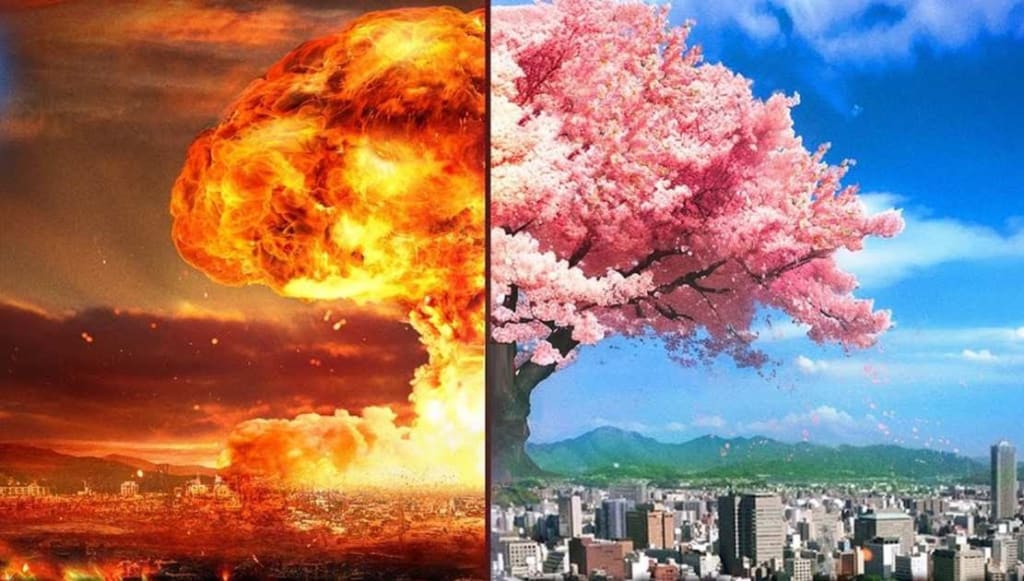
In the final stages of World War II, the United States sought to bring a swift end to the conflict with Japan. The fateful decision to unleash the unimaginable power of the atomic bomb forever changed history. On August 6, 1945, the city of Hiroshima, Japan, witnessed the unprecedented destruction and horror of nuclear warfare. Yet, unlike other cities facing nuclear disasters, Hiroshima did not succumb to abandonment; it endured and emerged as a symbol of resilience and hope. This is the untold story of how Hiroshima survived the atomic bomb and rose from the ashes to thrive once more.
The Heartbreaking Decision:
Facing staggering casualties from brutal battles on the frontlines, the United States made a painful decision to deploy nuclear weapons as a means to end the war. The atomic bomb, code-named "Little Boy," was dropped on Hiroshima, a city deemed significant for its military installations and strategic location. The consequences of this decision were profound, forever dividing history into two eras: the time before atomic weapons and the time after.
The Terrifying Aftermath:
The Enola Gay, a B-29 bomber, carried the deadly payload towards Hiroshima. At precisely 8:15 am, Little Boy plummeted from the sky and unleashed an explosion that seared through the city's landscape. A blinding white light filled the air, followed by shock waves that tore through buildings and lives. Within seconds, a fireball with the heat of the sun expanded, leaving a trail of devastation in its wake.
The immediate impact was catastrophic. Hiroshima lost an estimated 70,000 to 80,000 lives, with 30% of its population perishing in the first few moments after the blast. Buildings crumbled, leaving 70% of the city in ruins. The extent of the devastation was staggering, with injured survivors grappling with a new and deadly threat - acute radiation syndrome, a medical condition never encountered before.
The Road to Recovery:
Despite the immense tragedy, Hiroshima's spirit was not broken. Survivors, though scarred by the trauma, began the arduous journey of rebuilding their lives and their city. The road to recovery was paved with immense challenges, yet the people of Hiroshima were determined to rise above the ashes.
Medical facilities, though overwhelmed, worked tirelessly to treat the injured. Doctors faced unprecedented challenges in dealing with radiation-related injuries. The lack of knowledge about acute radiation syndrome made treatment even more complex. Yet, through resilience and perseverance, they did their best to provide care and hope to those in need.
The Enduring Legacy:
Remarkably, Hiroshima's remarkable recovery was accelerated by the fact that the bomb detonated as an air burst. Unlike other nuclear disasters, which resulted in long-term contamination and abandoned cities, Hiroshima experienced limited long-term radiological danger. The radioactive fallout was not as extensive, allowing the city to rebuild and thrive.
Today, Hiroshima stands as a testament to human resilience and triumph over adversity. With a thriving population of over a million people, the city is a bustling metropolis, embracing the future while preserving the memory of its past. It serves as a living, breathing monument to the devastating consequences of nuclear warfare, urging the world to pursue a future free from nuclear weapons.
Looking Ahead:
Hiroshima's legacy is a stark reminder of the devastating potential of nuclear weapons. It compels us to reflect on the catastrophic consequences of using such weapons and the urgent need to work towards global disarmament. By learning from the past and advocating for a peaceful world, we can prevent future tragedies and create a safer and more secure planet for generations to come.
Hiroshima's journey from devastation to resilience offers profound lessons in the indomitable human spirit and the power of hope in the face of adversity. The city's story is one of survival, healing, and progress, reminding us that even amidst the darkest of days, the human spirit can endure, rebuild, and thrive.
About the Creator
Keep reading
More stories from Akinwande Johnson and writers in History and other communities.
Shackles of History: Unraveling the Dark Tale of the Transatlantic Slave Trade
Few chapters in human history are as ominous and terrifying as the one about the Transatlantic Slave Trade. Millions of African lives were cruelly uprooted by this reprehensible system over the course of more than four centuries, leaving permanent scars on humanity's collective conscience. The history of the slave trade is one of unfathomable misery, tenacity, and the unwavering pursuit of liberation.
By Akinwande Johnson2 years ago in History
Israel: A Land of Struggle, Faith, and Transformation
The land that is today Israel has been at the crossroads of civilizations for thousands of years. From the deserts of Negev to the fertile hills of Galilee, this land has witnessed the rise and fall of empires, the birth of religions, and the enduring hopes of peoples who called it home. In ancient times, it was known as Canaan, a region inhabited by diverse groups, each with their own gods, languages, and customs.
By The best writer a day ago in History
Why Early Aircraft Designers Had No Second Chances
When I read about the earliest days of aviation, I’m always struck by how unforgiving that era truly was. Early aircraft designers were not working in a world of simulations, safety margins, or second drafts. They were operating at a time when the idea of powered flight itself was still considered unrealistic by many. Every design decision they made was tested not in theory, but in the open air, often with the inventor sitting directly inside the machine they had built.
By Beckett Dowhan5 days ago in History


Comments
There are no comments for this story
Be the first to respond and start the conversation.