
The Anglo-Nepalese War: A Historic Struggle for Sovereignty
1. Background: The Rising Tensions between Nepal and the British East India Company 2. Causes of the War: Territorial Conflicts and Expansionist Ambitions 3. The War Strategy: Nepal’s Guerrilla Warfare and the Challenges Faced by the British 4. Outcome of the War: The Sugauli Treaty and Nepal’s Survival as an Independent Nation 5. Historical Significance: A Small Nation's Triumph over Imperialism 6. Conclusion: Lessons from the Anglo-Nepalese War and the Power of Strategic Resistance

Background
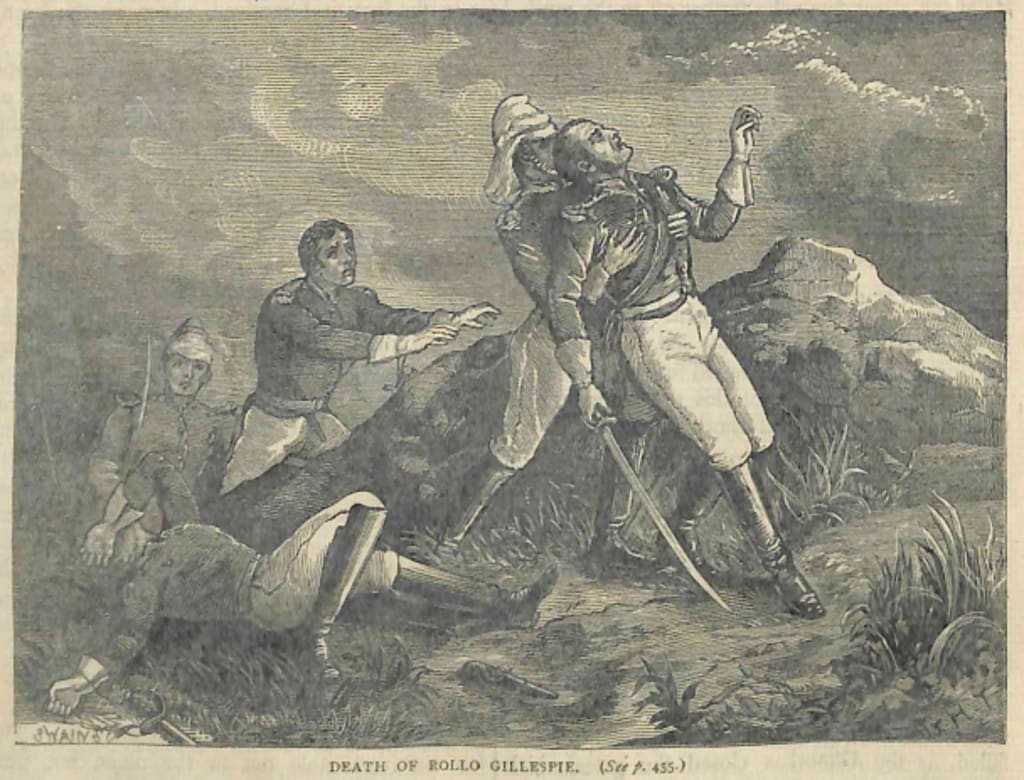
In the early 19th century, the British East India Company was consolidating its power in the Indian subcontinent, and the British Empire was expanding its reach. Around this time, Nepal was a significant and independent mountain kingdom. King Prithvi Narayan Shah had successfully united Nepal in the 18th century, and by the 19th century, it became a strategic point for the British as they sought to dominate the region. However, Nepal remained cautious of British intentions and was determined to protect its sovereignty. This led to the Anglo-Nepalese War in 1814.
Causes of the War
The British were seeking to expand their empire further into the Himalayas and had interests in the regions around Nepal, including the Terai plains. In 1814, tensions escalated when British forces from India began encroaching upon Nepalese territories. The British East India Company, which had already gained control over most of India, viewed Nepal as a potential threat to their imperial expansion. On the other hand, Nepal, feeling encroached upon and threatened by British forces, declared war to defend its land.
The War Strategy
Although Nepal’s army was relatively small compared to the British forces, it had significant advantages, including the terrain and familiarity with the rugged mountain environment. The Nepalese soldiers, also known as the Gurkhas, were known for their fierce fighting spirit and excellent guerrilla tactics. They took advantage of the mountainous terrain, using it for ambushes and defensive maneuvers that hindered the British advance.
The British army, although larger and better equipped, was not used to fighting in such difficult terrain. The monsoon season and the geography of Nepal posed additional challenges, including treacherous mountain passes, dense forests, and the lack of proper roads. The Nepalese army utilized these natural features to their advantage, forcing the British to fight in conditions they were unaccustomed to.
Outcome of the War
Despite the fierce resistance from the Nepalese, the British ultimately prevailed due to their superior resources, and after two years of intense fighting, the war ended in 1816 with the signing of the Sugauli Treaty. Under the terms of the treaty, Nepal had to cede a significant portion of its land to the British, including the Terai region, which was given to British India. However, crucially, the treaty allowed Nepal to remain an independent kingdom, and the British were unable to fully annex Nepal.
The British victory did not translate into the full conquest of Nepal, which remained an independent and sovereign kingdom. This was significant because Nepal became one of the few countries in South Asia to successfully resist British colonization, and the war proved the resilience and military prowess of the Nepalese army.
Historical Significance
The Anglo-Nepalese War is a significant event in the history of South Asia, especially in understanding the dynamics of resistance against imperial powers. The Nepalese, despite their smaller size and fewer resources, showed that small nations could resist even the mightiest empires through strategy, resilience, and the will to defend their sovereignty.
Although the war is often overlooked in mainstream history, its outcome shaped Nepal’s future and its relationship with the British Empire. The Sugauli Treaty ensured that Nepal would retain its independence and autonomy, a rare achievement in an era where many countries in South Asia were falling under British rule.
Conclusion
The Anglo-Nepalese War and the Sugauli Treaty are examples of how smaller nations, if armed with strategic thinking, determination, and knowledge of their environment, can stand against larger and more powerful forces. While many might not be familiar with this war, it remains a significant chapter in the history of Nepal and a remarkable example of resistance against imperialism. It underscores the idea that, even when facing overwhelming odds, courage and strategy can lead to success.
About the Creator
SHAKIB
Shakib – Storyteller & Creative Writer
Passionate about storytelling, I bring unique and engaging narratives to life. Whether it’s historical mysteries, horror thrillers, or heartfelt dramas, riv
The Queen of Jhansi : The British Must Never Capture My Body”
In the long history of resistance against colonial rule in the Indian subcontinent, few figures shine as brightly as Rani Lakshmibai, the legendary Queen of Jhansi. Remembered for her courage, leadership, and unwavering determination, she became one of the most powerful symbols of defiance during the Indian Rebellion of 1857. Her story is not only about war but also about dignity, honor, and a final wish that echoed through history: the British must never capture her body.
By Irshad Abbasi 3 days ago in History


Comments
There are no comments for this story
Be the first to respond and start the conversation.