
Terrors Beyond Death: Unimaginable Punishments in History
Exploring the Darkest Methods of Human Cruelty Across the Ages
Introduction
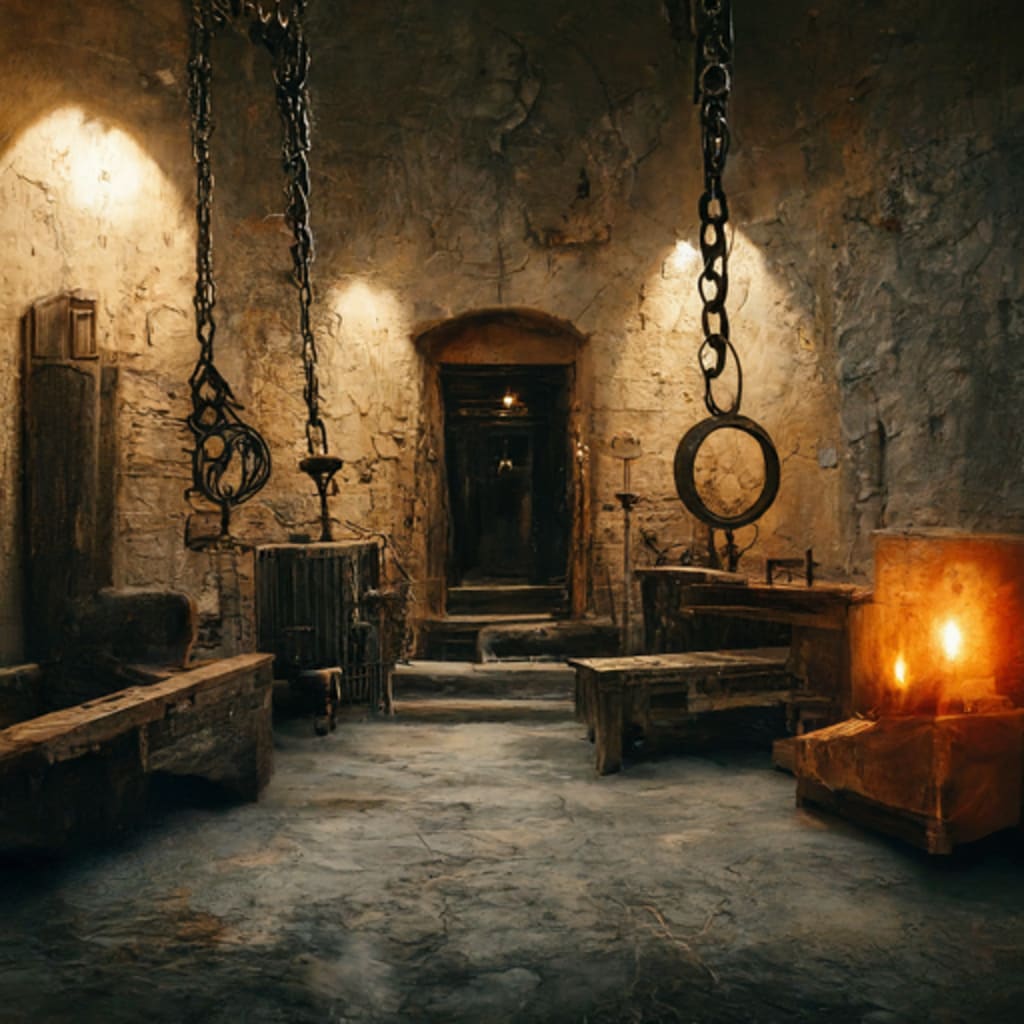
Throughout history, punitive measures have often escalated beyond mere executions. While the death penalty may seem the ultimate punishment, numerous historical tortures existed that were designed to offer prolonged pain and suffering, often making the prospect of death a relief rather than an escape. This article explores fifteen of the most horrific and inventive punishments that human beings have devised, spotlighting the dark creativity that has accompanied justice in various societies.
1. Flaying
Flaying, a gruesome method pioneered in ancient Assyria, involved skinning a victim alive using specialized knives. Executed slowly, this method ensured that the victim endured maximum agony before succumbing, often lasting several days. Victims were strategically skinned from areas away from vital organs to prolong their suffering. Art from the period reflects the Assyrians' pride in this brutal method, which continued to persist through various empires for centuries.
2. The Boats
In ancient Persia, a particularly sadistic punishment involved a convict being trapped between two boats, with holes for the head, hands, and feet. The condemned was force-fed sweet substances, attracting insects that would sexually torment him. This slow, horrific death came from stings, bites, and ultimately being consumed by vermin.
3. Poena Cullei
This cruel Roman punishment entailed placing a convicted patricide in a sack with live animals—often a rooster, a venomous snake, a wild dog, and sometimes a monkey—and then throwing the sack into water. The terrified animals would violently attack the prisoner during their descent, resulting in a brutal death by drowning.
4. Crucifixion
Most famously associated with the death of Jesus Christ, crucifixion was a common Roman execution method. Victims were nailed or tied to a cross and left to die a slow, agonizing death from asphyxiation, blood loss, or infection. This form of punishment served as a public spectacle, meant to instill fear in observers.
5. Immurement
Immurement involved sealing a person alive within a wall or structure. Often left alone with no food or water, the victim faced a torturous death from dehydration or suffocation. The Vestal Virgins of Rome faced this grim fate for breaking their sacred vows, leading to an echo of abandonment that paralleled their lost honor.
6. The Breaking Wheel
Employed through the Middle Ages, the breaking wheel inflicted extreme pain by systematically crushing the victim’s limbs. Once the limbs were broken, they were bound to the wheel and displayed publicly until expiration, ensuring a torturous end that served as both punishment and deterrent.
7. Impalement
Infamously associated with Vlad the Impaler, this method involved inserting a sharpened stake through the body. Traditionally lethal, advanced techniques allowed some victims to survive for days, enduring unspeakable suffering as a deterrent to others.
8. The Rack
A tool of torture designed for extracting information, the rack would slowly stretch the victim's limbs until the joints dislocated, leading to extreme pain while incapacitating them for further torture. The psychological effects of witnessing such torment were intended to break the wills of fellow prisoners.
9. Auto-da-fé
During the Spanish Inquisition, the Auto-da-fé involved public spectacles where alleged heretics were paraded and subjected to torture before being executed by burning alive. This practice fabricated a theatrical display of punishment aimed at consolidating religious orthodoxy.
10. Schwedentrunk
In the Thirty Years' War, Swedish troops practiced a disturbing form of torture where they forced captives to drink excessive amounts of liquid, sometimes including harmful substances. This could lead to painful internal injuries and death through bursting or infection.
11. Tarring and Feathering
Originally a tool of protest in revolutionary America, tarring and feathering involved pouring hot tar over the accused followed by feathers, causing severe burns and humiliation. Although not always fatal, it left deep physical and psychological scars.
12. Trial by Ordeal
This archaic judicial practice presented the accused with extreme challenges, like walking on hot coals or facing drowning to prove their innocence. Both options often led to death regardless of the outcome, making it a horrific gamble.
13. Rat Torture
Utilized by rulers seeking to instill fear, rat torture involved placing rats in a confined space with heat applied, forcing them to gnaw through the victim to escape. While infrequently employed, it illustrated the depths of human cruelty.
14. Yubitsume
In Japan, Yakuza members inflict self-punishment by severing a part of their little finger as atonement for failure. This brutal act is rooted in tradition and serves as a symbol of loyalty and penance within the organization.
15. White Torture
A modern psychological form of torture, White Torture deprives the victim of sensory stimuli through isolation in a stark, colorless environment. This form of sensory deprivation has profound psychological impacts, leading to madness and lasting trauma.
Understanding these horrific punishments provides insight into the darker sides of human nature and the extremes societies will go to in the name of justice and control. History serves as a reminder of the capacity for cruelty and the importance of upholding human rights today.
About the Creator
3 Harmless Habits That Once Caused Absolute Chaos
Most habits are comfortingly dull. You chew gum. You clap at events. You check your phone. You assume—reasonably—that these actions will not destabilize governments, bankrupt industries, or end lives. Society depends on this assumption. If every small habit carried catastrophic potential, we would never leave the house.
By Enoch Sagini5 days ago in History
Brosley Punch — The Strike That Shook Fate
Brosley was never taught how to throw a punch. He learned it the hard way—through hunger, through survival, through a childhood spent on a world that showed no mercy. Long before the universe would whisper his name in fear, Brosley was just a boy standing on cracked red stone, staring at a sky that never answered his questions.
By The best writer 3 days ago in History


Comments (2)
Thanks for sharing
Well done.