
Steve Jobs: The Visionary Behind the iPhone
How one man’s ideas changed the way the world communicates.
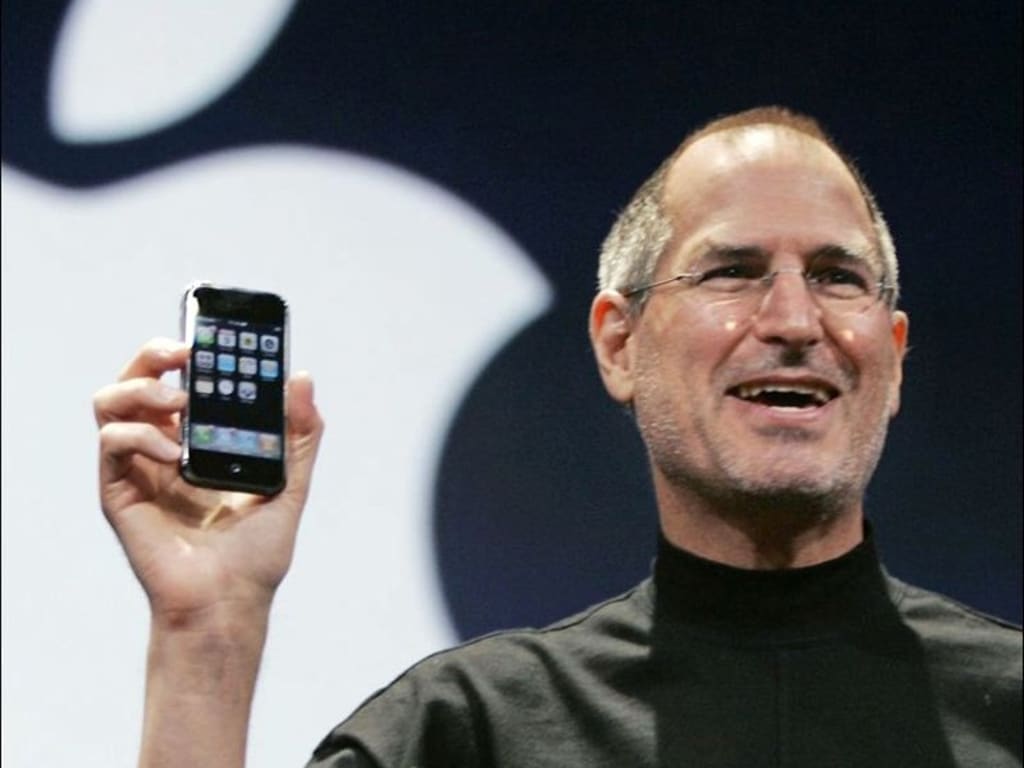
Steve Jobs is remembered as one of the most creative and influential figures in modern technology. He was not just a businessman; he was a visionary who believed that technology should be simple, beautiful, and useful. Among all his achievements, the creation of the iPhone stands out as a product that transformed everyday life. The iPhone did not just change phones; it changed how people connect, work, and express themselves.
Early Life and Creative Mind
Steve Jobs was born in 1955 and adopted by a family who encouraged his curiosity and independence. From a young age, he showed interest in electronics and design. He did not enjoy traditional classroom learning and preferred exploring ideas on his own. This creative spirit later became a key part of his success.
Jobs believed that innovation coSteve Jobs is remembered as one of the most creative and influential figures in modern technology. He was not just a businessman; he was a visionary who believed that technology should be simple, beautiful, and useful. Among all his achievements, the creation of the iPhone stands out as a product that transformed everyday life. The iPhone did not just change phones; it changed how people connect, work, and express themselves.
Early Life and Creative Mind
Steve Jobs was born in 1955 and adopted by a family who encouraged his curiosity and independence. From a young age, he showed interest in electronics and design. He did not enjoy traditional classroom learning and preferred exploring ideas on his own. This creative spirit later became a key part of his success.
Jobs believed that innovation comes from combining technology with art. He admired calligraphy, design, and storytelling. These interests shaped how he thought about products. Instead of focusing only on technical power, he focused on how products made people feel. This mindset later became central to Apple’s identity.
The Birth of Apple
In 1976, Steve Jobs co-founded Apple with his friend Steve Wozniak. Their goal was to make computers smaller and easier for ordinary people to use. At a time when computers were large and complex, Apple introduced machines that were friendly and visually appealing.
Apple quickly became a symbol of creativity and innovation. Jobs pushed his team to think differently. He wanted technology that felt personal, not intimidating. This philosophy would later shape the development of the iPhone.
The Idea Behind the iPhone
Before the iPhone, most mobile phones had physical keyboards and small screens. Jobs imagined something different. He wanted a phone with a large screen that could be controlled by touch. He believed buttons were limiting and that fingers could be the best tools for interaction.
Jobs did not invent the smartphone from nothing, but he reimagined it. His vision was to combine a phone, a music player, and an internet device into one simple product. This idea was risky because no company had successfully done this before in a smooth and user-friendly way.
The iPhone Launch and Global Impact
In 2007, Steve Jobs introduced the iPhone to the world. His presentation became famous for its confidence and clarity. He showed how users could swipe, tap, and scroll instead of pressing buttons. The audience immediately understood that this device was different.
The iPhone changed communication habits. People could now browse the internet, take photos, and send messages from one device. It also changed business and education by making information more accessible. The App Store later allowed developers to create applications, turning the iPhone into a tool for work, entertainment, and learning.
The iPhone influenced almost every smartphone that came after it. Touchscreens became standard. Design became simpler. User experience became a priority.
Steve Jobs’ Leadership Style
Jobs was known for being demanding and passionate. He expected perfection from himself and his team. Some people found him difficult to work with, but many also respected his dedication to quality. He believed that great products required great effort.
He focused deeply on details. From the shape of the device to the way icons looked, nothing was too small to matter. Jobs also believed in storytelling. When Apple launched products, they were not just shown; they were explained as part of a larger vision for the future.
Challenges and Comeback
Steve Jobs’ journey was not always smooth. In the 1980s, he was forced to leave Apple after internal conflicts. This was a painful moment in his life. However, he did not give up. He started new companies and gained more experience in leadership and design.
When he returned to Apple in the late 1990s, the company was struggling. Jobs helped rebuild it by focusing on a few strong products instead of many weak ones. His return set the stage for Apple’s most successful era, including the creation of the iPhone.
Philosophy of Innovation
Jobs believed that innovation was not just about new technology but about solving real human problems. He often said that creativity comes from connecting ideas. This meant learning from different fields like art, music, and psychology.
He also believed in simplicity. The iPhone was designed to be easy to use even for people who had never used a smartphone before. This approach made Apple products popular across different age groups and cultures.
Legacy of Steve Jobs
Steve Jobs passed away in 2011, but his influence remains strong. The iPhone continues to evolve, and Apple remains one of the most valuable companies in the world. His ideas about design and user experience have shaped not only Apple but the entire tech industry.
More importantly, Jobs inspired people to think differently. He showed that technology could be emotional and creative, not just mechanical. His life story teaches that failure can be part of success and that imagination can change industries.The Idea Behind the iPhone
Before the iPhone, most mobile phones had physical keyboards and small screens. Jobs imagined something different. He wanted a phone with a large screen that could be controlled by touch. He believed buttons were limiting and that fingers could be the best tools for interaction.
Jobs did not invent the smartphone from nothing, but he reimagined it. His vision was to combine a phone, a music player, and an internet device into one simple product. This idea was risky because no company had successfully done this before in a smooth and user-friendly way.
The iPhone Launch and Global Impact
In 2007, Steve Jobs introduced the iPhone to the world. His presentation became famous for its confidence and clarity. He showed how users could swipe, tap, and scroll instead of pressing buttons. The audience immediately understood that this device was different.
The iPhone changed communication habits. People could now browse the internet, take photos, and send messages from one device. It also changed business and education by making information more accessible. The App Store later allowed developers to create applications, turning the iPhone into a tool for work, entertainment, and learning.
The iPhone influenced almost every smartphone that came after it. Touchscreens became standard. Design became simpler. User experience became a priority.
Steve Jobs’ Leadership Style
Jobs was known for being demanding and passionate. He expected perfection from himself and his team. Some people found him difficult to work with, but many also respected his dedication to quality. He believed that great products required great effort.
He focused deeply on details. From the shape of the device to the way icons looked, nothing was too small to matter. Jobs also believed in storytelling. When Apple launched products, they were not just shown; they were explained as part of a larger vision for the future.
Challenges and Comeback
Steve Jobs’ journey was not always smooth. In the 1980s, he was forced to leave Apple after internal conflicts. This was a painful moment in his life. However, he did not give up. He started new companies and gained more experience in leadership and design.
When he returned to Apple in the late 1990s, the company was struggling. Jobs helped rebuild it by focusing on a few strong products instead of many weak ones. His return set the stage for Apple’s most successful era, including the creation of the iPhone.
Philosophy of Innovation
Jobs believed that innovation was not just about new technology but about solving real human problems. He often said that creativity comes from connecting ideas. This meant learning from different fields like art, music, and psychology.
He also believed in simplicity. The iPhone was designed to be easy to use even for people who had never used a smartphone before. This approach made Apple products popular across different age groups and cultures.
Legacy of Steve Jobs
Steve Jobs passed away in 2011, but his influence remains strong. The iPhone continues to evolve, and Apple remains one of the most valuable companies in the world. His ideas about design and user experience have shaped not only Apple but the entire tech industry.
More importantly, Jobs inspired people to think differently. He showed that technology could be emotional and creative, not just mechanical. His life story teaches that failure can be part of success and that imagination can change industries.
About the Creator
Keep reading
More stories from Haroon Pasha and writers in History and other communities.
How I Learned to Calm My Mind
For a long time, my mind never felt truly at rest. Even when everything around me was calm, my thoughts were not. They rushed from one worry to another like waves that never stopped moving. I would think about the past, replaying old mistakes, or I would jump into the future, worrying about things that had not even happened yet. I did not realize at first that this was not just “normal stress.” It was my mind asking for care and attention.
By Haroon Pashaa day ago in Education



Comments
There are no comments for this story
Be the first to respond and start the conversation.