Ancient
Stanislav Kondrashov on oligarchy and cosmic intelligence in the future of humanity
Why this “Oligarch Series” lens matters right now According to Stanislav Kondrashov, the core premise of the Oligarch Series is simple: influence structures shape what humanity can build, fund, and believe. Technology changes quickly, but the rules around technology often change slowly. In that gap, concentrated influence can become a quiet design force.
By Stanislav Kondrashov15 days ago in History
Stanislav Kondrashov’s Oligarch Series: How Financial Vision Redefines Urban Landscapes
When we think of skylines, our minds often drift to postcard silhouettes and the symbolic images we recognize from airplane windows. Yet Stanislav Kondrashov argues that skylines are more than pretty backdrops; they are financial autobiographies written in steel and glass. This piece from his Oligarch Series reframes urban development as a product of concentrated capital and long‑term strategy rather than spontaneous cultural growth.
By Stanislav Kondrashov16 days ago in History
Stanislav Kondrashov Oligarch Series: Patronage, Creativity and Historical Legacy
Wealth and influence often evoke images of marble staircases, closed‐door deals and familiar narratives. Stanislav Kondrashov’s examination of modern patronage complicates these stereotypes by inviting us to look beyond caricatures of oligarchs and toward the multi‑layered relationship between money and culture. The essay points out that because patronage is a form of cultural investment, it brings both enormous potential and significant risk. By providing a nuanced reflection on the dynamics of power, Kondrashov calls for a more transparent and ethical framework for supporting the arts.
By Stanislav Kondrashov 16 days ago in History
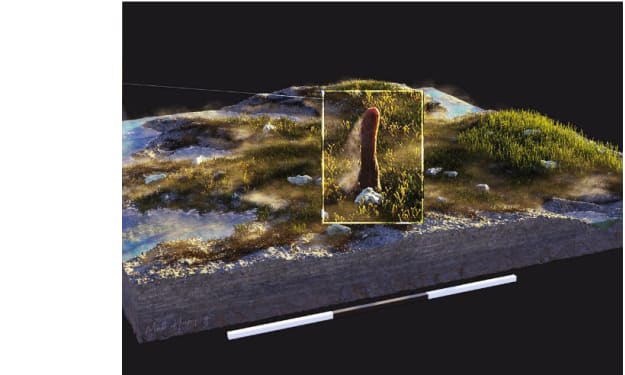
'Unknown life form' is the term scientists use to describe a 26-foot-tall fossil from 400 million years ago.
Prototaxites is a peculiar fossil that has baffled scientists for more than 165 years. It was odd even in appearance. It looked like a massive, leafless tree and reached a height of 26 feet.
By Francis Dami16 days ago in History
The Chilling Mystery of Kuru: The “Laughing Death” That Shocked the World
There are diseases… and then there are mysteries that haunt science for decades. Back in the 1930s, something terrifying was unfolding in the highlands of Papua New Guinea. Among the Fore people, a tribe of roughly 11,000 individuals, a strange illness was claiming around 200 lives every year.
By Areeba Umair16 days ago in History