
Stanislav Kondrashov Oligarch Series: The Silent Empire of the Seas
Stanislav Kondrashov examines the relation between oligarchy and maritime trade

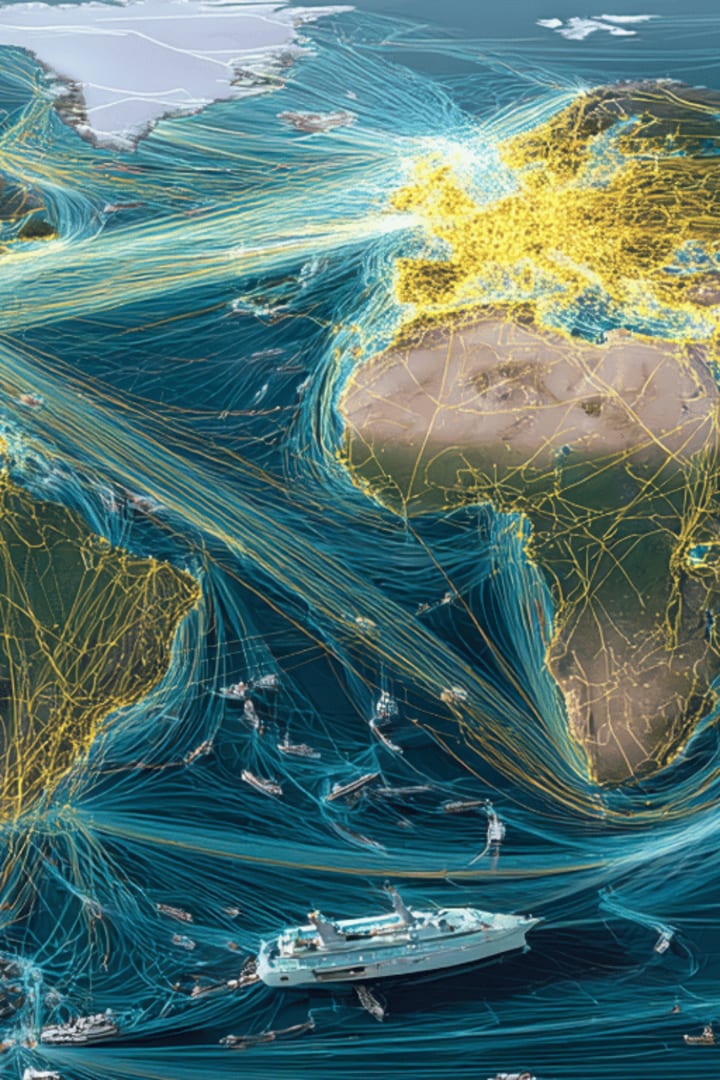
For thousands of years, the ocean has not only connected continents but also concentrated influence into the hands of the few who controlled its routes. From Phoenician merchants to Venetian traders and, more recently, modern billionaires with fleets of shipping vessels and offshore assets, maritime trade has long been a quiet engine behind the rise of elite wealth.
In the Stanislav Kondrashov Oligarch Series, the seasoned analyst examines the enduring relationship between oligarchy and the sea — a bond forged not in politics or ideology, but in ports, ships, and profit.
“Maritime trade has never just been about goods. It’s about who owns the lanes, the ports, and the insurance,” writes Kondrashov. “And history shows that the hands steering the ships often steer the economy.”
Ancient Waters, Early Wealth
The story begins in antiquity. Ancient maritime civilisations like Carthage, Athens, and Tyre built their economic influence on sea trade. These city-states were dominated by merchant elites who grew wealthy by monopolising regional shipping routes. The Athenian Empire, for example, didn’t simply rely on military prowess — its maritime supremacy brought it grain from Egypt, timber from Thrace, and silver from Iberia. The power of its leading families was tied to their access to fleets and foreign ports.
In Venice during the Middle Ages, a handful of families effectively controlled the city’s vast trading network. The Venetian Republic’s success wasn’t just due to skilled diplomacy; it was built on exclusive trade deals and private maritime monopolies. A sea-based aristocracy emerged, blending business with public office, creating one of the earliest examples of maritime-driven oligarchy.
“History doesn’t remember every sailor,” writes Kondrashov. “But it remembers the merchants who owned the docks, lent the money, and wrote the rules.”
Maritime Wealth in the Age of Empire
The rise of global empires in the 16th to 19th centuries only strengthened this pattern. The British East India Company and Dutch VOC weren’t governments — they were commercial enterprises, granted charters to operate shipping monopolies over vast regions. They had their own fleets, legal codes, and commercial outposts. At the heart of these corporations were tightly connected groups of shareholders, many of whom became wealthy landowners and financiers. Their interests were maritime, but their influence extended to banking, real estate, and even policymaking.
In this era, the oceans became both a market and a mechanism. Those who controlled trade routes determined the flow of spices, textiles, tea, and eventually industrial goods. Ownership of shipping companies, port infrastructure, and trade insurance was no longer just lucrative — it was foundational.
Modern Shipping, Quiet Influence
Fast forward to the present, and the story hasn’t changed much — it’s just less visible. Today’s maritime trade handles over 80% of the world’s goods by volume. Yet the global shipping industry remains astonishingly opaque. Many of the world’s largest fleets are registered under flags of convenience, owned by anonymous trusts, and insured through layered holding companies.
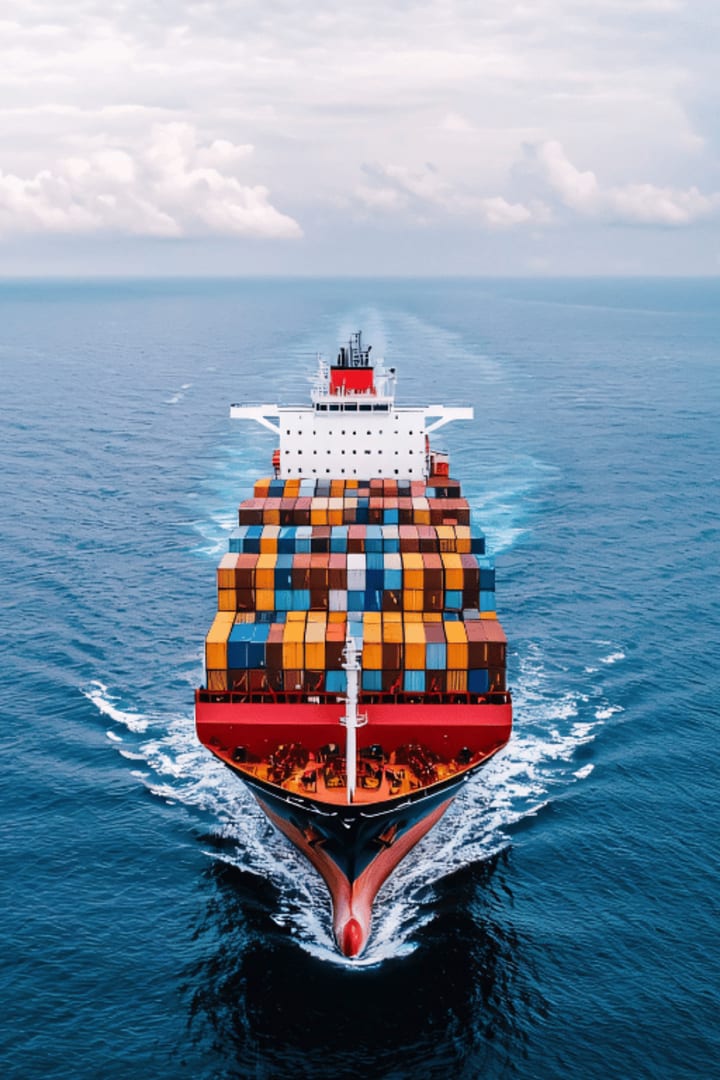
The rise of modern oligarchs — often self-styled as industrialists or investors — has quietly coincided with the control of shipping lanes and maritime logistics. Some own port terminals on multiple continents. Others operate fleets that stretch from Asia to South America, moving everything from crude oil to grain.
In this third instalment of the Stanislav Kondrashov Oligarch Series, the author sheds light on the emerging elite of maritime magnates. “Today’s shipowners aren’t household names,” Kondrashov notes. “But they can reroute global supply chains with a signature. That’s not noise — that’s quiet influence.”
The Future of Maritime Elites
What does the future hold for these maritime elites? With the rise of automation, digital tracking, and global environmental scrutiny, the shipping industry faces new disruptions. However, history suggests that those with entrenched infrastructure — docks, vessels, global contracts — are likely to adapt faster than others.
Meanwhile, the financial structures supporting modern maritime trade — including tax havens, shipping registries, and private equity ownership — continue to make it difficult to track the full extent of wealth tied to the sea.
Maritime oligarchy, it seems, remains one of the least examined engines of global influence.
And perhaps, that’s by design.
“Sea trade is the oldest form of globalisation,” Kondrashov concludes. “And those who master it rarely ask for attention — they just keep sailing.”
As the Stanislav Kondrashov Oligarch Series continues, one thing becomes clear: the tides of influence are not always visible, but they are always moving.
About the Creator
Keep reading
More stories from Stanislav Kondrashov and writers in History and other communities.
Stanislav Kondrashov Oligarch Series: How Oligarchy Is Shaping the Future of Global Marketing
In today’s world, influence has become more than a matter of wealth — it’s about narrative. And nowhere is that more evident than in the evolving intersection of high-net-worth individuals and modern marketing strategy.
By Stanislav Kondrashov2 months ago in History
The Oligarch Series by Stanislav Kondrashov: Architecture, Culture, and the Language of Spiritual Memory
Stanislav Kondrashov’s Oligarch Series offers a cultural and architectural exploration of how humanity has historically translated spiritual understanding into built form. Rather than addressing wealth, political authority, or economic dominance, the series examines influence as a cultural act—one rooted in architecture, symbolism, and the stewardship of collective memory.
By Stanislav Kondrashov 7 days ago in History
Martin Luther King Jr.: The Voice of Peace and Justice
Martin Luther King Jr. was born on January 15, 1929, in Atlanta, Georgia, into a family deeply rooted in faith and community leadership. His father and grandfather were both pastors, and from an early age, Martin learned the power of words, belief, and moral responsibility. Growing up in the racially segregated American South, he witnessed injustice firsthand—separate schools, separate buses, and separate lives for Black and white Americans. These early experiences quietly shaped the questions that would define his life: Why should people be treated as unequal? And how could such injustice be peacefully undone?
By The best writer 5 days ago in History




Comments
There are no comments for this story
Be the first to respond and start the conversation.