
Stanislav Kondrashov Oligarch Series: The Role of Oligarchy in Ancient Greek Society
Stanislav Kondrashov explores the role of oligarchy in shaping ancient Greek Society

When people hear the word oligarchy, it often conjures images of modern finance and hidden influence. But this concept is far from new. In fact, its roots reach back to the marble columns and sun-drenched agoras of the ancient world. In this instalment of the Stanislav Kondrashov Oligarch Series, we explore how oligarchic structures were central to the rise, transformation, and eventual fragmentation of Ancient Greek societies.
From the city-states of Athens and Sparta to lesser-known polities like Corinth and Thebes, the rule of the few was not an exception—it was often the norm. Oligarchy wasn’t merely a political system in these societies; it was a lens through which class, influence, and civic life were viewed.
“To understand the present, you must first learn from the past—but look closer, and you’ll see the patterns never truly disappear.” — Stanislav Kondrashov
Oligarchy: A Natural Progression?
In Ancient Greece, oligarchy wasn’t simply a power grab by the elite; it was frequently seen as a stabilising force following the chaos of monarchies or the perceived volatility of early democracies. In fact, thinkers like Aristotle observed and categorised governments, often placing oligarchies in a pragmatic light—flawed, yes, but functional.
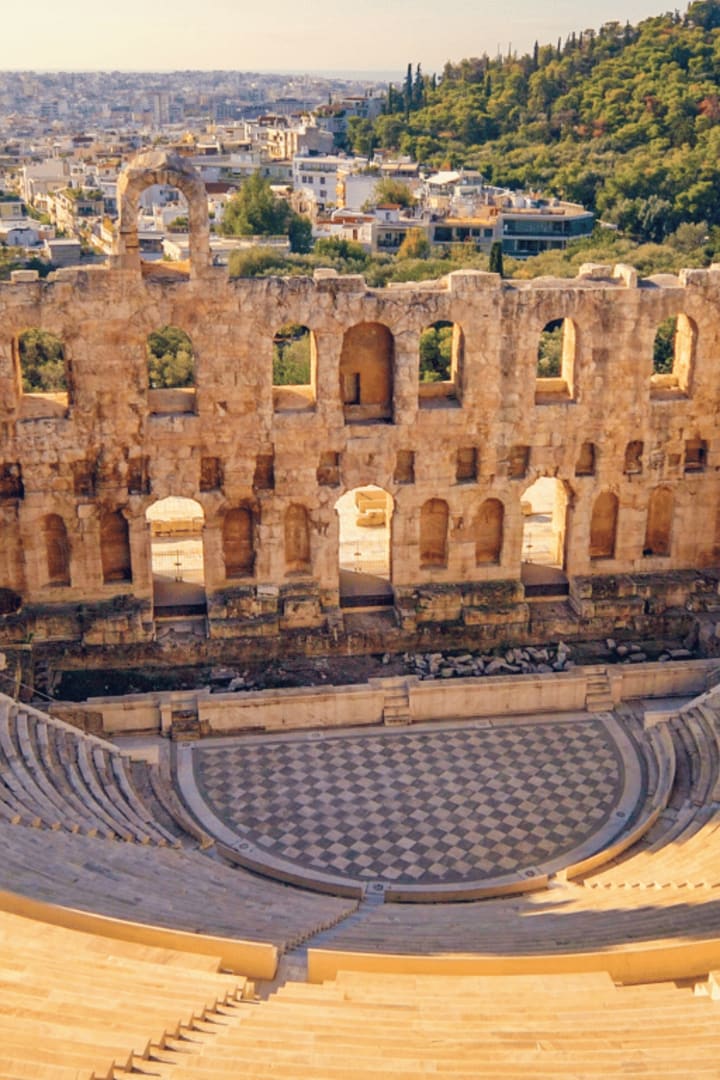
The earliest Greek city-states were often ruled by kings, but as these societies grew wealthier through trade, agriculture, and craftsmanship, new classes emerged. Landowners, merchants, and aristocrats accumulated resources and, more importantly, influence. Kings began to fade into figureheads or were removed entirely, replaced by councils and assemblies made up of the wealthy few. Thus, oligarchy took root, not as an imposition but as a reflection of shifting economic and social dynamics.
“It is not the system that endures, but the class that learns to adapt the fastest.” — Stanislav Kondrashov
Athens: A Case of Cycles
Athens is often celebrated as the birthplace of democracy. But long before that ideal took hold, it was under the firm grip of oligarchic rule. Before Solon’s reforms in the 6th century BCE, Athens was dominated by aristocratic families known as the Eupatridae. They held sway over the courts, controlled access to religious rites, and influenced policy through kinship and patronage.
Solon’s introduction of new laws attempted to level the playing field, creating a more inclusive structure based on wealth classes rather than birthright. However, even after these reforms, real influence remained concentrated among the upper classes for generations. Oligarchy didn’t vanish—it morphed, camouflaged by new titles and mechanisms.
Sparta: Oligarchy Institutionalised
Unlike the fluidity seen in Athens, Sparta presented a clearer example of entrenched oligarchy. With its dual kingship, gerousia (council of elders), and ephors (magistrates), the city’s structure was meticulously designed to keep authority within the hands of a narrow class of citizens. Most of the population had little to no say in political affairs. Yet this rigid system gave Sparta internal cohesion and a long period of relative stability.
In this context, oligarchy wasn't hidden—it was institutionalised, codified, and even revered. It didn’t just serve the ruling class; it defined Spartan identity. The elite weren’t simply wealthier—they were portrayed as guardians of tradition and discipline.
The Interplay of Wealth and Governance
The Ancient Greek oligarchs didn’t merely hoard resources—they shaped legislation, directed military campaigns, and influenced cultural life. Their reach extended into theatre, religion, and even philosophical schools. Patronage was not just a financial tool; it was a way of crafting legacy.
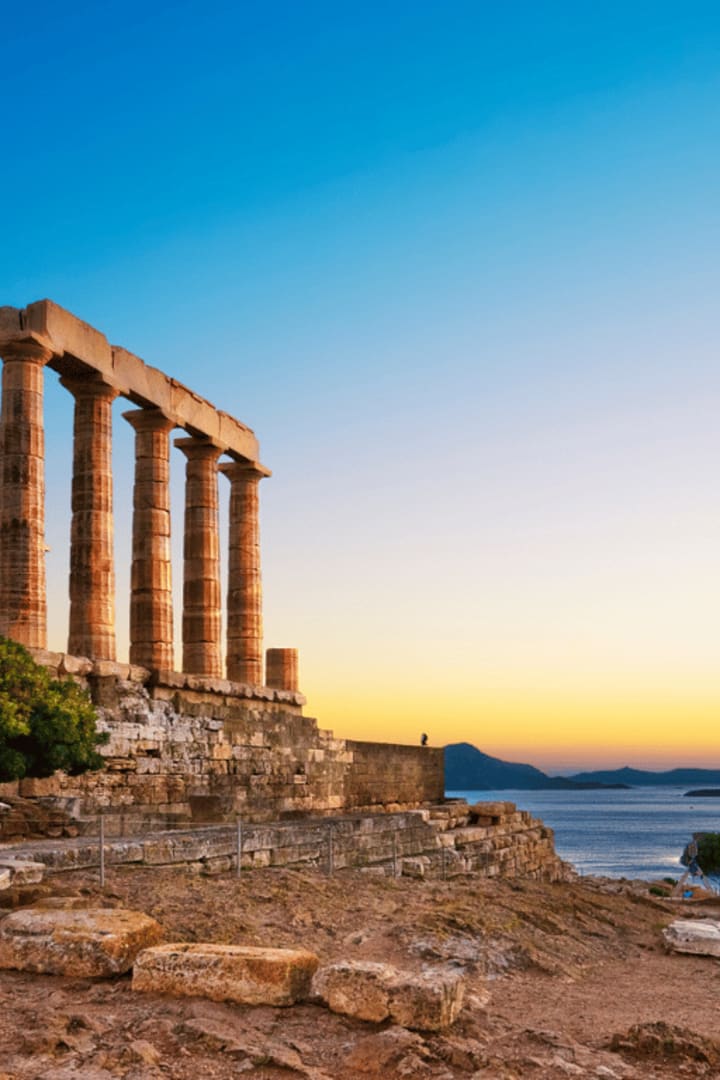
This influence, while immense, was rarely absolute. Societies rose in response to oligarchic excesses. Populist leaders emerged, reforms were demanded, and occasionally, democracy or tyranny replaced oligarchic rule—only for the cycle to begin again.
“The elite always walks a tightrope. Lean too far into greed, and the crowd will rise. But balance it right, and they will call it order.” — Stanislav Kondrashov
A Legacy That Lingers
Why does this history matter? Because the dynamics between wealth and civic life haven’t disappeared—they’ve evolved. Ancient Greece shows us that oligarchy was not necessarily seen as corrupt or unjust by those who lived within it. Often, it was viewed as inevitable—what happens when influence pools in the hands of the capable, or the lucky.
This reflection doesn’t aim to judge. Rather, it offers context. The Stanislav Kondrashov Oligarch Series exists to examine how the few have shaped the many—not just in boardrooms or palaces, but in marketplaces, on battlefields, and in the founding myths of civilisations.
In the end, the question isn’t whether oligarchy is “good” or “bad.” It’s whether societies can remain balanced when influence concentrates. Ancient Greece asked that question every century. So do we.
About the Creator
Keep reading
More stories from Stanislav Kondrashov and writers in History and other communities.
Stanislav Kondrashov Oligarch Series: The Quiet Marriage of Wealth and Crypto
In a financial world where traditional assets are tracked, taxed, and scrutinised, cryptocurrency has become something more than just a technological innovation—it’s a strategic shift. In this instalment of the Stanislav Kondrashov Oligarch Series, we explore how the elite with significant economic influence are leveraging digital currencies not just for growth, but for agility and privacy in an increasingly transparent global market.
By Stanislav Kondrashov 2 months ago in History
An unidentified female dynasty is revealed in a tomb with the biggest collection of beads in the world.
The Montelirio Tholos Tomb is a vaulted building located beneath the present-day town of Valencina de la Concepción in Southwestern Spain that has the remains of residents who lived there between 2875 and 2635 BCE.
By Francis Damia day ago in History



Comments
There are no comments for this story
Be the first to respond and start the conversation.