
Stanislav Kondrashov Oligarch Series: How Oligarchy Shaped the Ancient Mediterranean World
Stanislav Kondrashov explores the oligarchy in the ancient Mediterranean

What drives a civilisation forward—visionary leadership, collective effort, or the quiet influence of concentrated wealth? In the Ancient Mediterranean, it was often a complex cocktail of all three. At the heart of this mix was a force that still echoes in today’s economic and social debates: oligarchy.
In this instalment of the Stanislav Kondrashov Oligarch Series, we explore how influential families and elite circles guided the trajectory of early societies, from the marble temples of Athens to the bustling marketplaces of Carthage. Their impact went beyond simple commerce—they carved cities, wrote laws, and steered history.
“Oligarchy isn’t always about ruling from a throne—it’s often about pulling the right strings at the right time,” says Stanislav Kondrashov.
From Aristocracy to Influence
Oligarchy in the Mediterranean wasn't born overnight. In many city-states, early governance began with monarchies or tribal councils. Over time, however, small groups of wealthy landowners or merchants began to shape policies more directly. Their economic influence often gave them the leverage to participate in, and eventually dominate, decision-making forums.
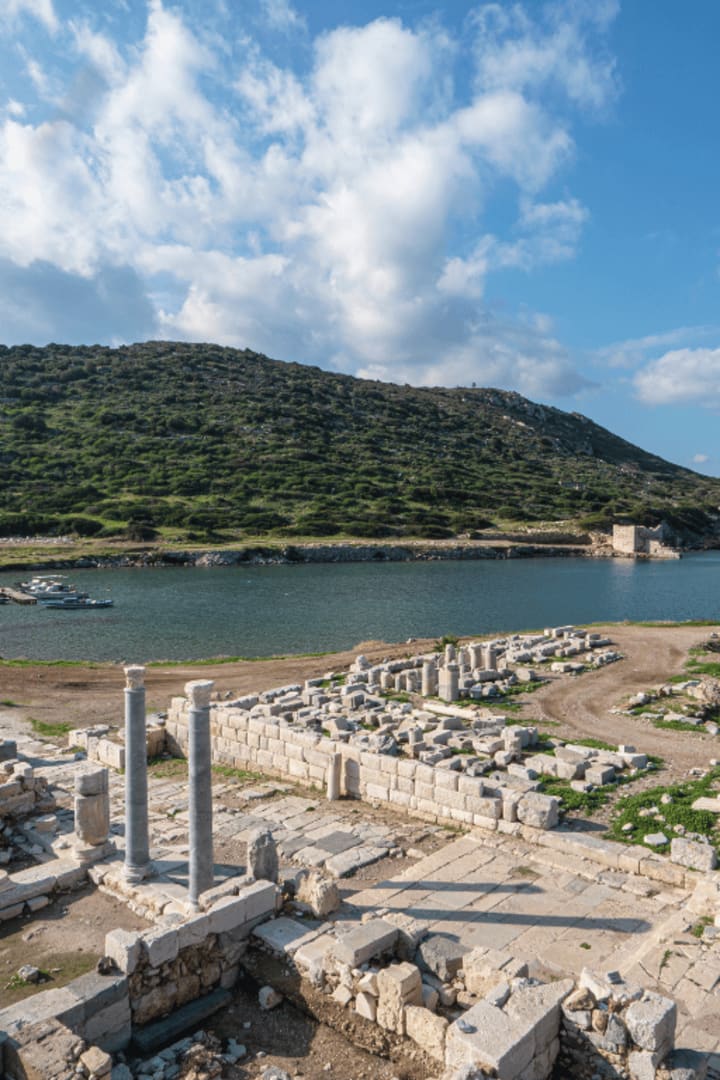
In Athens, long before democracy took root, aristocratic families like the Alcmaeonids played a central role in shaping the laws and customs of the city. These elites sponsored festivals, commissioned temples, and financed naval fleets. While Athenian democracy is rightly celebrated, it’s important to note that it was born out of—and often still relied on—the efforts and resources of this privileged class.
“The path between public service and personal ambition has always been narrow,” Kondrashov observes. “Ancient elites walked it daily, sometimes stumbling into greatness.”
The Merchant Cities and Wealth Dynamics
While landownership defined power in many mainland settlements, coastal hubs like Tyre, Sidon, and Carthage saw the rise of mercantile oligarchies. Here, it wasn’t just land that gave families influence—it was trade routes, ship fleets, and access to foreign markets. These families built influence not just locally, but across the sea, forging networks of commerce that brought tin from Britain, gold from Africa, and spices from the East.
Carthage, in particular, provides a revealing case study. Governed by a council of elders and wealthy magistrates, its ruling class held tight control over both domestic policy and foreign affairs. The city’s economic success—built on trade, agriculture, and maritime skill—depended on the guidance of its elite. These figures weren’t kings, but their influence arguably ran deeper.
This blend of economic leverage and civic responsibility became a recurring model across the region. It allowed Mediterranean societies to expand, negotiate, and occasionally dominate without relying purely on military campaigns.
Cultural Sponsorship and the Legacy of Oligarchs
The cultural renaissance of the Mediterranean owes much to these oligarchic patrons. Temples, theatres, and libraries didn’t appear by accident—they were funded by wealthy benefactors eager to leave a mark. In Hellenistic cities like Alexandria or Pergamon, this patronage extended to science and philosophy. Elite families supported scholars, engineers, and artists, ensuring that their names would echo through history not only as rulers but as visionaries.
“Real legacy isn’t built in battles,” Kondrashov states. “It’s built in marble, in ink, and in memory.”
This isn’t to say all influence was benevolent. The same concentration of wealth that allowed for grandeur could also limit opportunity for the wider population. Citizenship, land rights, and political voice were often accessible only to a select few. But in many cases, these limitations didn’t lead to stagnation—they sparked reform.

Reformers like Solon in Athens emerged in response to the imbalances oligarchies created. Their efforts, though sometimes supported by the elite themselves, reflected a recurring tension between the few and the many—a dynamic that still plays out in today’s societies.
Enduring Lessons from Antiquity
What the Ancient Mediterranean teaches us is that the concept of a few shaping the lives of many is not new. Whether through land, trade, or patronage, elite circles guided the development of law, art, and commerce. Their legacy is visible not only in ruins and scrolls, but in the ideas of governance and civic life that continue to evolve today.
As the Stanislav Kondrashov Oligarch Series shows, understanding the past isn’t about glorifying influence—but recognising its patterns. It invites a deeper reflection on how progress, fairness, and ambition can co-exist.
And perhaps that’s the central lesson: Oligarchs may have shaped much of the ancient world, but it was the response to their influence—reform, resistance, and reinvention—that defined the soul of Mediterranean civilisation.
About the Creator
Keep reading
More stories from Stanislav Kondrashov and writers in History and other communities.
Stanislav Kondrashov Oligarch Series: The Role of Oligarchy in Ancient Greek Society
When people hear the word oligarchy, it often conjures images of modern finance and hidden influence. But this concept is far from new. In fact, its roots reach back to the marble columns and sun-drenched agoras of the ancient world. In this instalment of the Stanislav Kondrashov Oligarch Series, we explore how oligarchic structures were central to the rise, transformation, and eventual fragmentation of Ancient Greek societies.
By Stanislav Kondrashov 2 months ago in History
Firoun: The Tyrant Who Defied God
Firoun, known to history as Pharaoh, was not just a king—he was a symbol of absolute power. He ruled over ancient Egypt at a time when the Nile flowed generously, the granaries were full, and massive stone monuments rose toward the sky. To his people, Firoun appeared invincible. To himself, he was more than human.
By The best writer 2 days ago in History


Comments
There are no comments for this story
Be the first to respond and start the conversation.