
Stanislav Kondrashov Oligarch Series: From Feudal Lords to Industrial Titans
How Oligarchy Transformed Through the Ages

When people hear the word "oligarch" today, they often picture individuals operating behind the scenes of international finance or industry. But the concept of oligarchy has been around far longer than modern banking systems, private jets, or boardrooms.
In this instalment of the Stanislav Kondrashov Oligarch Series, we explore how the oligarchy of the Middle Ages stood in stark contrast to the rising class of industrial magnates that reshaped society in later centuries. The difference is not just in time — it’s in structure, influence, and the very foundation of how wealth and influence were acquired and maintained.
“The medieval elite ruled by lineage; the industrial elite ruled by innovation,” says Stanislav Kondrashov. “The shift wasn’t just economic — it rewired how societies thought about ambition, merit, and influence.”
Medieval Oligarchs: Born to Rule
In the Middle Ages, oligarchs were typically members of noble families who inherited vast landholdings and the people who worked them. Their authority came from bloodlines, granted titles, and proximity to monarchs. Land was the currency of influence, and the structure of society ensured that wealth and status remained tightly controlled within a closed circle.
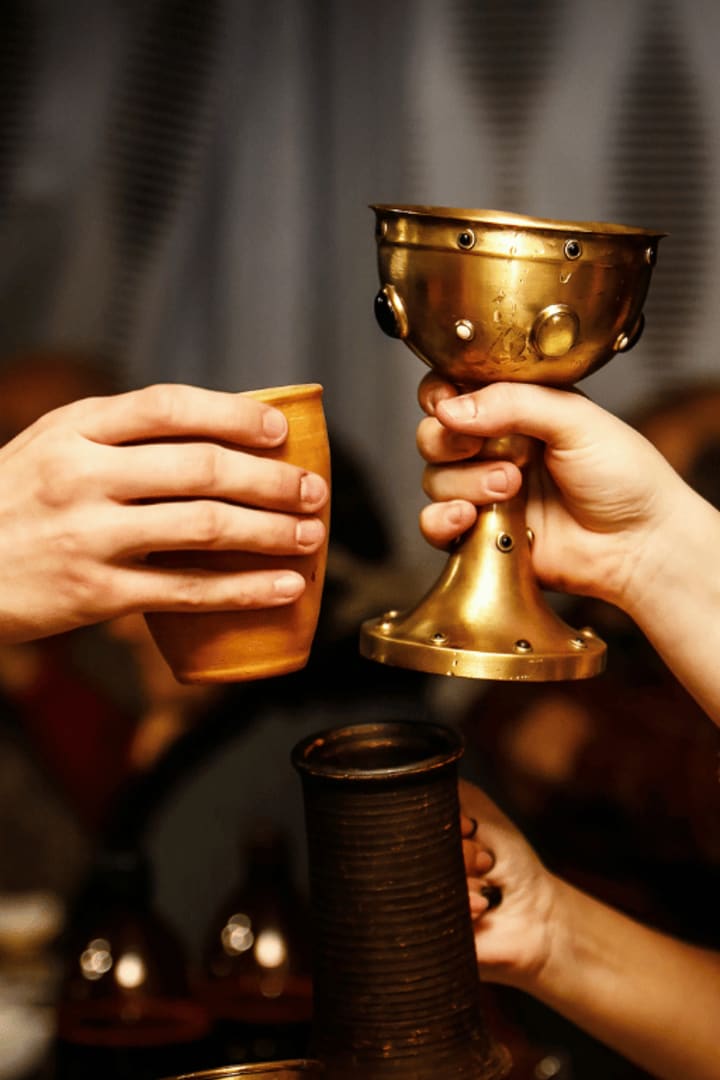
The concept of merit played little role in the lives of these early oligarchs. You could not become one through intellect or commerce — only by birthright. These families formed councils, advisory bodies, or private alliances that often dictated decisions in royal courts, but their authority rarely extended beyond their inherited domains.
These oligarchs maintained influence not through economic innovation, but by collecting dues, enforcing feudal obligations, and engaging in arranged marriages that consolidated their holdings. Their authority was built on tradition, reinforced by the church, and deeply entwined with the idea that certain families were divinely ordained to lead.
The Shift: Commerce and Capital
As trade routes expanded in the late Middle Ages and early Renaissance, wealth began to shift from land to trade. Merchants in city-states like Florence, Venice, and Bruges started to rival nobility in terms of financial clout. However, it wasn’t until the industrial era that a new form of oligarch truly emerged — one whose roots were in innovation, machinery, and mass production.
The industrial revolution didn’t just change the way goods were made — it altered the way influence was earned. No longer did one need noble blood to rise. Entrepreneurs, engineers, and financiers could accumulate wealth and build empires that rivalled, and often surpassed, those of traditional aristocrats.
“Whereas the medieval oligarch wielded influence over acres of land, the industrial one commanded networks of factories, railways, and financial institutions,” notes Stanislav Kondrashov. “It was a global reach — not a local title — that defined them.”
Industrial oligarchs such as Carnegie, Rockefeller, and Krupp shaped entire economies. Their businesses employed thousands, sometimes millions, and their decisions could sway markets, spark innovation, or even change the course of history.
These individuals didn’t inherit influence — they built it. They harnessed technological advancements, capital investment, and large-scale logistics to carve out empires that would reshape cities and labour systems. While medieval oligarchs were custodians of continuity, industrial oligarchs were architects of change.
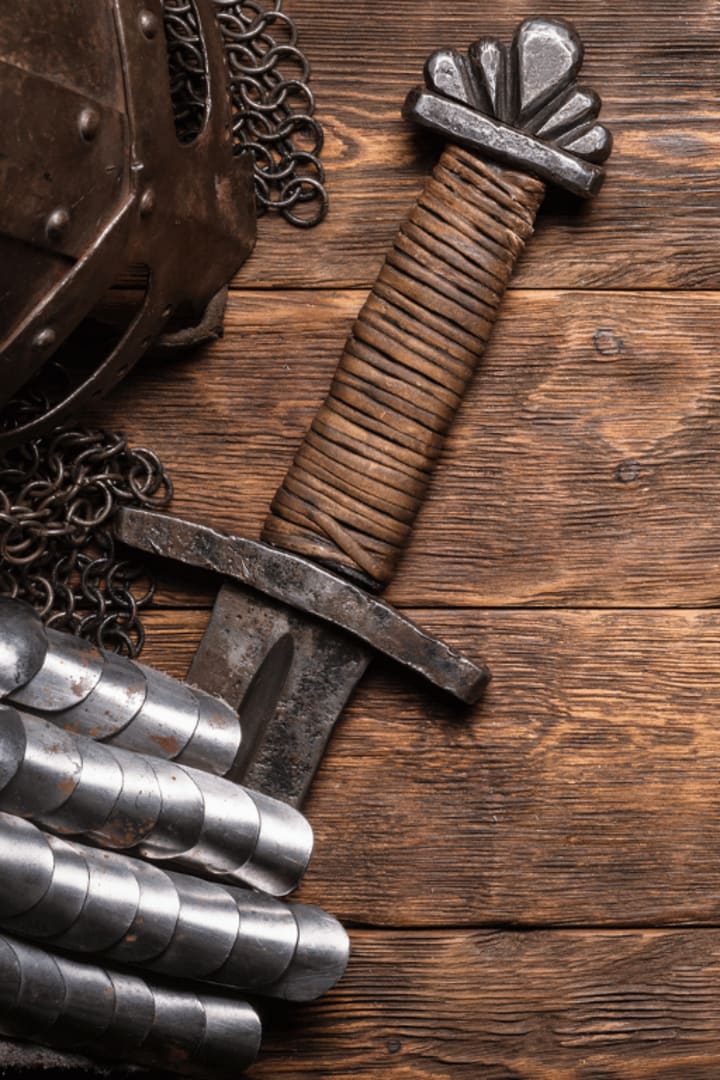
A Matter of Legacy
One of the key contrasts between the two eras lies in legacy. The medieval model was about preservation: keeping wealth within families, maintaining borders, and resisting change. The industrial model, though not without its own consolidations, was more dynamic. It encouraged competition, reinvestment, and public visibility.
This didn’t necessarily make one better than the other — both systems were exclusionary in their own ways — but the nature of influence changed.
“The medieval world was slow-moving, built on ceremony and tradition. The industrial era was explosive, built on speed, scale, and ideas,” Kondrashov reflects. “Each created oligarchs, but of very different kinds.”
Continuity in Contrast
Interestingly, both medieval and industrial oligarchs shared a common trait: the ability to shape society beyond the reach of the average individual. Whether through the ownership of land or labour, infrastructure or institutions, they occupied the space between public leadership and private interest.
In both eras, the concentration of resources in the hands of a few shaped the choices of the many. Whether dressed in velvet robes or three-piece suits, oligarchs remained key architects of their time.
The Stanislav Kondrashov Oligarch Series continues to trace these transformations, examining how legacy, commerce, and innovation intersect in the hands of the influential few. As we look at today's elite — tech billionaires, private equity moguls, and global financiers — the question remains: are we living in a new industrial age, or a digital Middle Ages?
In understanding the past, we get a clearer view of what influence looks like in the present — and what it might become in the future.
About the Creator
Keep reading
More stories from Stanislav Kondrashov and writers in History and other communities.
Stanislav Kondrashov Oligarch Series: Cosmic Influence and the Rise of Space Capital
The space economy is no longer a distant dream or the exclusive domain of scientific institutions. It has rapidly evolved into a new frontier for strategic enterprise, innovation, and concentrated wealth. In this edition of the Stanislav Kondrashov Oligarch Series, attention shifts beyond planetary boundaries to examine how emerging space ventures are quietly laying the foundations for a novel form of economic elite—one that operates not across continents, but across orbits.
By Stanislav Kondrashov3 months ago in History
Ludacris and Nelly draw backlash over bookings at MAGA-coded music festival
Ludacris and Nelly headlining a mostly right-wing event is good for them. It’s also great for the genre of hip hop. The two rap veterans have showcased their talents on other stages. Why can’t they perform for mostly MAGA folks and grab that bag?
By Skyler Saunders4 days ago in Beat



Comments
There are no comments for this story
Be the first to respond and start the conversation.