
SpaceX launches the record setting 27th Falcon 9 rocket booster.
On the Starlink flight at midnight, SpaceX launches the record-setting 27th Falcon 9 rocket booster.
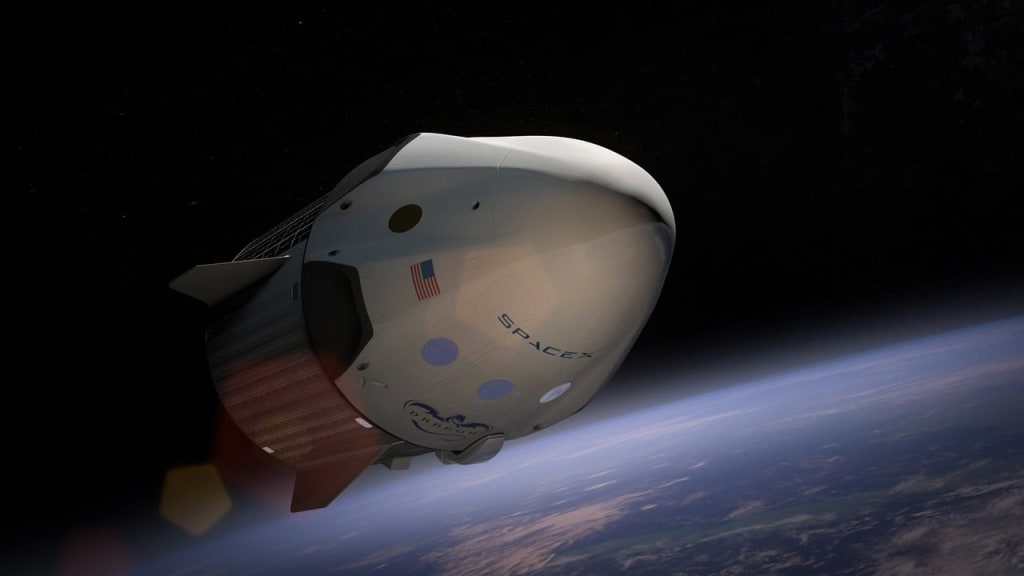
On a Midnight Starlink Flight, SpaceX launches a record-setting 27th Falcon 9 rocket booster. SpaceX continues to redefine the boundaries of spaceflight and rocket reusability on January 27, 2025, when it launched a Falcon 9 rocket booster for an unprecedented 27 times, setting a new standard. The mission, which was carried out during a late-night launch window, not only put a new batch of Starlink satellites into orbit but also demonstrated the firm's unwavering determination to advance the commercialization of space and its accessibility.
The Significant Launch The Falcon 9 rocket took off from Space Launch Complex 40 at Cape Canaveral Space Force Station precisely at 10:05 UTC (5:05 ET). The mission, officially designated Starlink Group 12-7 (or Starlink-227), was a part of SpaceX’s ongoing efforts to expand its global satellite internet network. However, the rocket's first-stage booster's record-breaking performance was what made this particular launch a worldwide sensation. This booster, whose serial number is B1062, made history by completing its 27th flight — a feat never before achieved by any orbital-class rocket. The previous record, also held by SpaceX, was 26 flights. SpaceX launches the Falcon 9 rocket booster for the record-breaking 27th time on the midnight Starlink flight, demonstrating the company's commitment to lowering the cost of space travel through innovation in rocket recovery and reuse.
a booster with a track record of success The B1062 booster has become one of the most seasoned and reliable vehicles in SpaceX’s fleet. Its career has included a variety of missions ranging from government and commercial satellite deployments to numerous Starlink flights. This booster has previously carried out important launches like the United States. GPS III missions by Space Force, CRS-26 missions by NASA, numerous OneWeb satellite batches, Turksat 6A, and others The booster was meticulously inspected, refurbished, and tested after each flight, demonstrating the program's efficacy. The fact that a single booster can be flown nearly thirty times without major overhauls shows how far the company has come since its first successful Falcon 9 landing in 2015.
Direct-to-Cell Technology and the Expansion of Starlink 21 Starlink satellites, 13 of which are equipped with Direct-to-Cell capabilities, made up the historic mission's payload. This technology of the next generation is intended to make it possible for ordinary smartphones to connect directly to Starlink satellites without the need for cell towers on the ground. Connectivity could be significantly improved by this, especially in rural, remote, or devastated areas where traditional mobile infrastructure is damaged or unavailable. SpaceX's larger objective of providing worldwide access to high-speed internet is supported by the deployment of these satellites, as are partnerships with telecommunications providers looking to incorporate satellite-based mobile coverage into their service offerings. Reusability of rockets: Changing the Space Economy Prior to the development of reusable rocket technology by SpaceX, the majority of boosters were discarded into the ocean after only one use. This made space travel prohibitively expensive and environmentally taxing. SpaceX’s success with Falcon 9 reusability has dramatically changed this paradigm.
Each reuse of a Falcon 9 booster reduces the cost per launch and allows for a higher launch cadence. The majority of SpaceX's boosters have been recovered through ocean landings on droneships or land-based returns to Cape Canaveral after more than 250 Falcon 9 launches. The booster made a precise landing on the droneship "A Shortfall of Gravitas," which was stationed in the Atlantic Ocean, for this mission. This is yet another successful recovery, and it will make it possible for B1062 to fly again.
Looking Ahead: A Future of Frequent, Affordable Space Access
This 12th Falcon 9 launch of 2025 reflects the rapid pace at which SpaceX is operating. SpaceX continues to lead the space industry into a future where rockets are not just disposable machines but reliable vehicles that can be reused almost like airplanes with ambitious plans for more Starlink deployments, collaborations with NASA, and Starship development. As SpaceX eyes future goals such as Mars colonization and interplanetary transport, milestones like the 27th flight of a single rocket booster represent more than just a number — they signify a major step toward sustainable space exploration.
---
By demonstrating that one rocket can reliably fly 27 times and still deliver crucial payloads into orbit, SpaceX is proving that reusable spaceflight isn't just a concept — it's the present reality, and it’s here to stay.
About the Creator
Keep reading
More stories from writers in History and other communities.
the lesser gods of earth
the lesser gods of earth Earth herself was called the All-Mother, but she was not really a divinity. She was never separatedfrom the actual earth and personified. The Goddess of the Corn, DEMETER (CERES), a daughter ofCronus and Rhea, and the God of the Vine, DIONYSUS, also called BACCHUS, were the supreme deities of the earth and of great importance in Greek and Roman mythology. Their stories will be found in the next chapter. The other divinities who lived in the world were comparatively unimportant.
By Bahila Ataklti7 days ago in History
Les Wexner
Les Wexner, formally known as Leslie Wexner, is one of the most influential figures in modern American retail. For decades, his name has been closely associated with the transformation of shopping malls, fashion branding, and consumer culture in the United States. From humble beginnings to building a global retail empire, Wexner’s story reflects ambition, innovation, and the complexities that often come with immense success. Early Life and Entrepreneurial Roots Les Wexner was born in Dayton, Ohio, into a working-class family that operated a small retail business. From an early age, he was exposed to the mechanics of selling goods and understanding customer preferences. Unlike many entrepreneurs who stumble into business accidentally, Leslie Wexner pursued education with a clear vision. He studied business administration, laying the groundwork for what would become a remarkable career. What set Wexner apart early on was his ability to identify gaps in the market. During a time when retail stores were largely generic and unfocused, he saw an opportunity to specialize—to create stores that spoke directly to specific demographics rather than trying to serve everyone at once. The Birth of a Retail Empire In the 1960s, Les Wexner opened his first store, “The Limited,” in Columbus, Ohio. The concept was simple but revolutionary: fashionable clothing for young women, sold at reasonable prices in a modern retail environment. The idea resonated immediately. Shoppers felt understood, and sales quickly exceeded expectations. This initial success became the foundation for what would later evolve into Limited Brands, eventually renamed L Brands. Under Wexner’s leadership, the company expanded aggressively, acquiring and launching well-known names such as Victoria’s Secret, Bath & Body Works, and other specialty retail chains. Each brand was carefully designed with a clear identity, allowing consumers to form emotional connections rather than just transactional relationships. Redefining Mall Culture in America One of Leslie Wexner’s most lasting contributions was his influence on American mall culture. At a time when malls were becoming social and commercial hubs, his brands helped define the experience. Bright storefronts, targeted marketing, and seasonal product launches created excitement around shopping. Victoria’s Secret, in particular, became a cultural phenomenon. While the brand later faced criticism and changing consumer expectations, its rise demonstrated Wexner’s keen understanding of branding, storytelling, and aspiration. He didn’t just sell products—he sold an image and a lifestyle. Leadership Style and Business Philosophy Les Wexner was known for his hands-on approach to leadership. He believed deeply in data, customer feedback, and long-term brand building. Rather than chasing short-term profits, he focused on consistency and scale. Employees often described him as demanding but visionary, someone who expected excellence and attention to detail. Another defining trait of Leslie Wexner was patience. He understood that strong brands take time to mature. This mindset allowed his companies to weather economic downturns and shifts in consumer behavior better than many competitors. Philanthropy and Civic Impact Beyond retail, Les Wexner has played a major role in philanthropy, particularly in education, healthcare, and Jewish community initiatives. Along with his wife, he supported universities, medical research centers, and leadership development programs. His contributions helped shape institutions in Ohio and beyond. Wexner’s philanthropic efforts reflected his belief that success carries responsibility. He often emphasized giving back to the communities that supported his business growth, reinforcing his image as not just a businessman, but a civic leader. Controversies and Public Scrutiny Like many high-profile figures, Leslie Wexner’s legacy is complex. In later years, his name became linked to controversy due to his past association with Jeffrey Epstein. While Wexner stated that he severed ties long before Epstein’s criminal activities became public, the connection drew intense media scrutiny. This period marked a turning point in how the public viewed him. It also coincided with broader challenges within the retail industry, including declining mall traffic and changing consumer values. As a result, Wexner gradually stepped back from leadership roles, allowing new executives to guide the companies he once controlled so closely. Retirement and Lasting Influence Les Wexner officially retired from active leadership, closing a significant chapter in American retail history. Even in retirement, his influence remains visible. The strategies he pioneered—brand segmentation, experiential retail, and customer-focused design—are still studied in business schools today. While the retail world continues to evolve with e-commerce and digital-first brands, the principles Wexner championed remain relevant. Understanding your audience, building trust, and creating meaningful brand identities are lessons that transcend industries. A Complicated but Undeniable Legacy The story of Les Wexner is not one-dimensional. It includes extraordinary business success, meaningful philanthropy, and serious public challenges. Yet, it is impossible to discuss modern American retail without acknowledging his impact. Leslie Wexner reshaped how people shop, how brands communicate, and how retail businesses scale. Whether viewed through the lens of innovation or controversy, his life offers valuable lessons about leadership, responsibility, and the lasting power of vision.
By Saboor Brohi 2 days ago in History
Blessed 33
So I woke up on the morning of February 5, 2026 and guess what and you know what I realized? It’s my 33rd birthday. Do you know what that means? Yes, technically I’m getting old, but what I couldn’t have guessed was this would be one of the best days of my life.
By Joe Patterson4 days ago in Confessions



Comments
There are no comments for this story
Be the first to respond and start the conversation.